The Falcons is an intimate, observational documentary that delves into the world of the Tshakhruk Ethnoband, a remarkable musical ensemble in the Armenian highlands. Comprised of special-needs children that reside at the state orphanage, these young musicians find solace, strength, and self-expression through the transformative power of music.
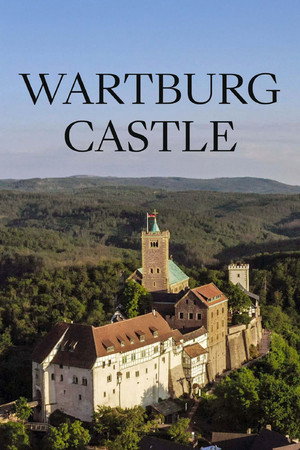
Wartburg Castle has towered majestically over the Thuringian Forest for almost a thousand years. The medieval building is a living testimony to Germany's complex history - and is a symbol of freedom, power and culture. This documentary explores its long and eventful history.
"Bagong Buhay" is a short experimental film that dispels the common belief that packing up and moving to a new place will magically improve one's quality of life. The film challenges this presumption by portraying two contrasting ways of life through objects and locations, encouraging viewers to think critically about the complexities of what makes a better life. In the Philippines, it's believed that relocating to a new area will bring about positive changes in one's existence. True satisfaction is a complex and multifaceted notion, and "Bagong Buhay" encourages us to ponder that relocating to a new place is not a surefire way to attain it.
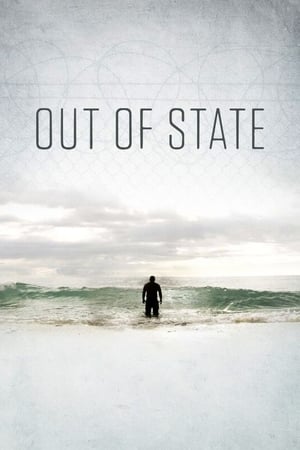
Out of State is the unlikely story of native Hawaiians men discovering their native culture as prisoners in the desert of Arizona, 3,000 miles, and across the ocean, from their island home.
Una festa per la città - Venezia 1973
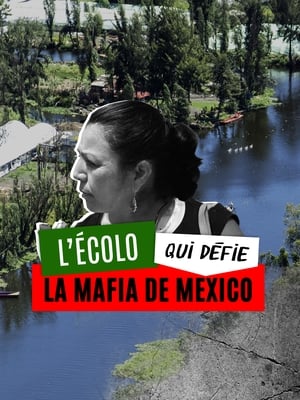
L'écolo qui défie la mafia de Mexico
Filmed in Cordoba, Granada, Seville, and Toledo, this documentary retraces the 800-year period in medieval Spain when Muslims, Christians, and Jews forged a common cultural identity that frequently transcended their religious differences, revealing what made this rare and fruitful collaboration possible, and what ultimately tore it apart.
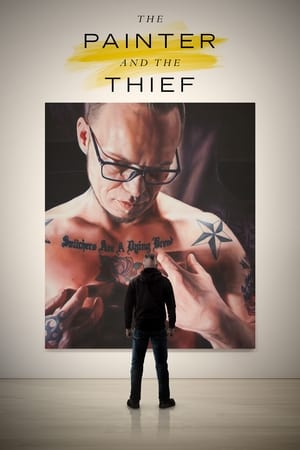
When two of artist Barbora Kysilkova’s most valuable paintings are stolen from a gallery at Frogner in Oslo, the police are able to find the thief after a few days, but the paintings are nowhere to be found. Barbora goes to the trial in hopes of finding clues, but instead she ends up asking the thief if she can paint a portrait of him. This will be the start of a very unusual friendship. Over three years, the cinematic documentary follows the incredible story of the artist looking for her stolen paintings, while at the same time turning the thief into art.
On June 11th, 1997, Philippe Kahn created the first camera phone solution to share pictures instantly on public networks. The impetus for this invention was the birth of Kahn's daughter, when he jerry-rigged a mobile phone with a digital camera and sent photos in real time. In 2016 Time Magazine included Kahn's first camera phone photo in their list of the 100 most influential photos of all time.
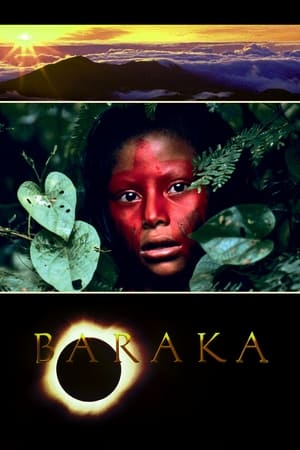
A paralysingly beautiful documentary with a global vision—an odyssey through landscape and time—that attempts to capture the essence of life.
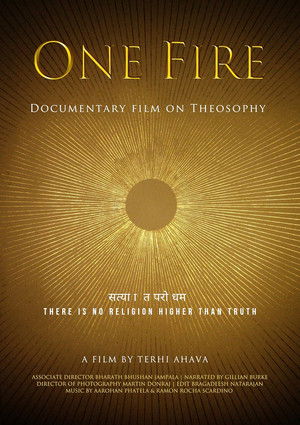
ONE FIRE is a new documentary film exploring the mysteries of Theosophy, focusing on Helena Petrovna Blavatsky and her groundbreaking work, The Secret Doctrine. The film traces how Blavatsky's ideas challenged conventional thought and inspired generations of seekers. It also examines the hidden influence of Theosophy - often unknown to many - on modern thought, the arts, music, education, and politics. At the same time, ONE FIRE serves as a meditation on experiencing eternal truths through striking visuals and original music, inviting audiences to engage not only intellectually but also emotionally with Blavatsky's enduring legacy.
After a five-year hiatus, the "Capelinha" quadrilha returns to the competitions. Intense rehearsals, pulsating rhythms, and elaborate costumes mark the preparation to reclaim their place in the arenas.
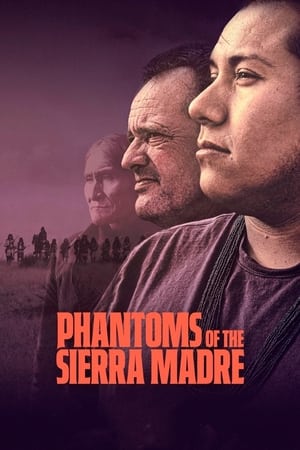
A Danish writer travels to Mexico with the purpose of locating a mysterious Apache tribe that fervently seeks to remain in obscurity.
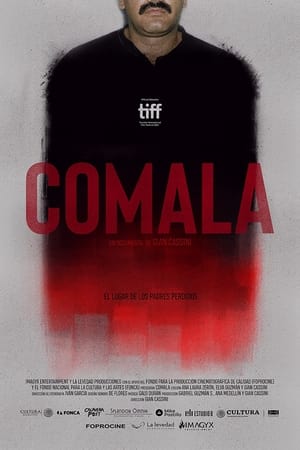
A man’s journey to learn the story of his estranged father, a failed hitman killed several years ago. A man's journey to face the scattered members of his dysfunctional family and understand the life of his absent father, a failed hit man murdered years ago in a Mexican border town. While the story of the father takes shape, each family member comments on the behavioral patterns that influenced his criminal actions.
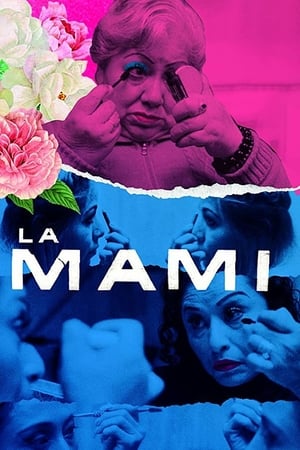
One of the rooms inside the legendary Barba Azul Cabaret has become a shelter for the girls working there: the women's bathroom. Every night La Mami, who's in charge of the bathrooms, offers them the warmth and the advice they need to take on the challenge they face in the dance hall.
Stanley Nelson's syncopated voyage through the history of funk music, from early roots to 1970s urban funk and beyond.
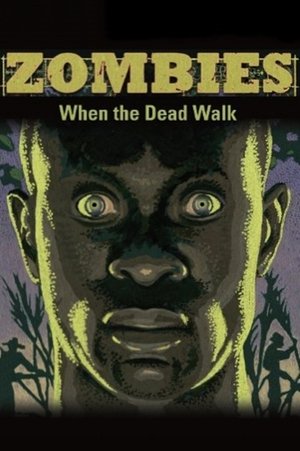
Zombies are part of pop culture, but what are they? Where do they come from? To find real zombies we visit Haiti where Zombies are an integral part of the island's cultural and religious roots.
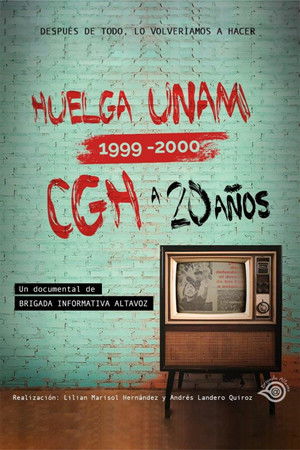
Faced with attempts to privatize public education, the General Strike Council (CGH) brings Latin America's largest university to a standstill. The goal is clear: to keep UNAM free, facing as its main obstacles media lynching, internal divisions, and imminent federal repression. A chronicle of ten months of the largest student strike in Mexico's history.
The Scarlet Macaw, a vibrant symbol of the Mexican rainforest, is disappearing from the ecosystem. Conservation and Recovery of the Scarlet Macaw in Mexico explores the tireless efforts of Natura y Ecosistemas Mexicanos (NEM) to save the last remaining viable population of these iconic birds. Facing the constant threat of poaching, NEM works diligently to rescue hatchlings from vulnerable nests before they are looted. By forging partnerships with local communities, they have developed a network of dedicated individuals to locate and protect macaw nests. This compelling film showcases the resilience of both people and wildlife in a united fight to preserve a species that has long symbolized the beauty and diversity of the region's natural heritage.
The film portraits the stage previous to the outbreak of the Mexican Revolution, from the end of Porfirio Díaz´ government, the social volatility, the ephemeral government of Madero and the presence of the working class in the figures of Villa and Zapata, until the signing if the Constitution of 1917. All of this through moving images, filmed during those events mainly by the Alva brothers, filmmakers of that time. Those images let us perceive the contradictory and shuddered glance of the people of that period.