We are first presented a cobweb castle, filled with the haunting doubts of the young protagonist. Spirits appear on the screen and are heard on the soundtrack. Gradually a female guide emerges and escorts the young man into an antechamber to another (and possibly higher) world.
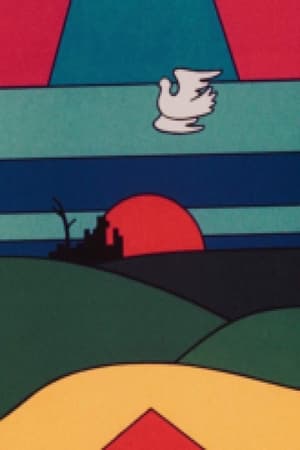
For the first time I am animating hand-painted engraved cut-outs on a full-color background. The film is mood-filled: A duel scene in a snowy forest, obviously the morning after a masquerade ball. Harlequin lies dying, while Red Indian walks away with the wings of victory. The woman between them appears, cat-masked. The mask dissolves away. Her spirit passes into the face of the sun upon the sun upon the sun flower. But Harlequin cannot escape death. The blue world engulfs him.
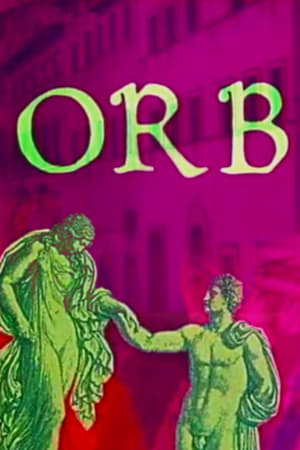
A compact, full-color cut-out animation as ephemeral as the colors swimming on the surface of a soap bubble. The eternal round shape, the orb (sun, moon, symbol of the whole self) balloons its inimitable and joyous course through scene after scene of celestial delight, fixing at last as the mystical globe encasing the lovers whose course it has paralleled throughout the film.
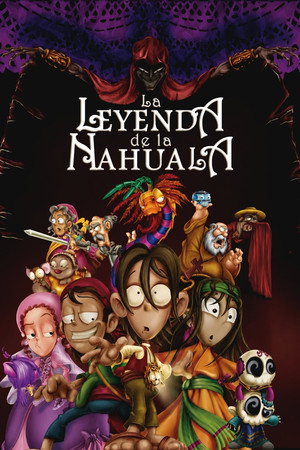
Leo San Juan, an insecure child of nine years old, lives eternally frightened by horror stories that Nando tells his older brother. Within these stories it is 'The Legend of Nahuala', according to which, an old abandoned Casona is possessed by the spirit of an evil witch known as the Nahuala.
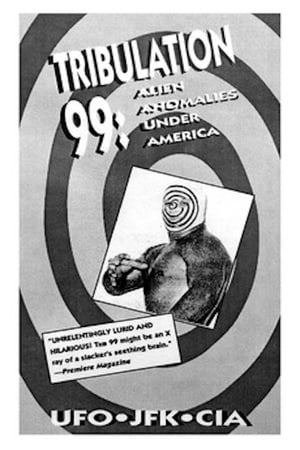
Baldwin’s “pseudo-pseudo-documentary” presents a factual chronicle of US intervention in Latin America in the form of the ultimate conspiracy theory, combining covert action, environmental catastrophe, space aliens, cattle mutilations, killer bees, religious prophecy, doomsday diatribes, and just about every other crackpot theory broadcast through the dentures of the modern paranoiac.
Stop Motion Collage Animation.
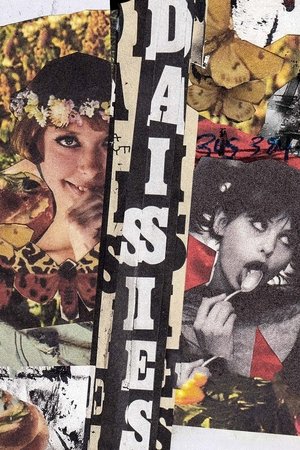
Cut-out animation alternated with text collages.
An accurate depiction of the basic tenets of northern Mahayana Buddhism, cast into living or "experiential" form, consistent with powerful mantras heard on the soundtrack of the film. Tarthang Tulku, a Tibetan Lama, was the advisor.
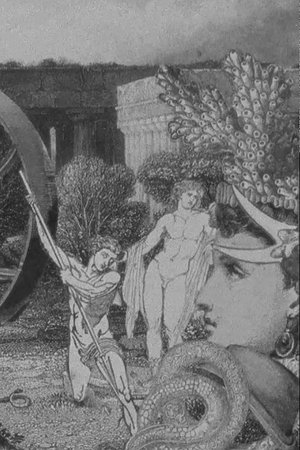
Ancestors is a film about spiritual forefathers and mothers in a purely fanciful sense. These are classical figures, anatomical figures, fairy tale figures and romantic figures all thrown in together - all my creative root-sources, in a kind of playful tribute. Like part 2 of Duo Concertantes, it's a moving single picture, now doubled.
A dance of eclectic objects. A play of demented dolls, wheels, and geriatric clocks.
Did we get disconnected? Bad Connection is a constructed dreamscape where pay phones exist in the desert, and an anonymous woman tries to reach another. Searching manifests in the ringing of the telephone that is left unanswered.
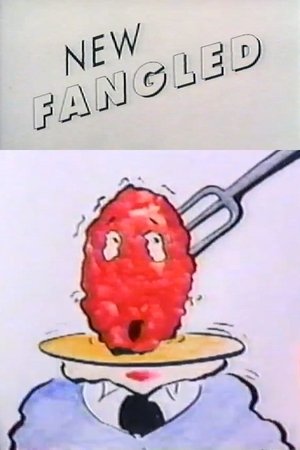
A critique of marketing speak in the commercial cartoon industry.
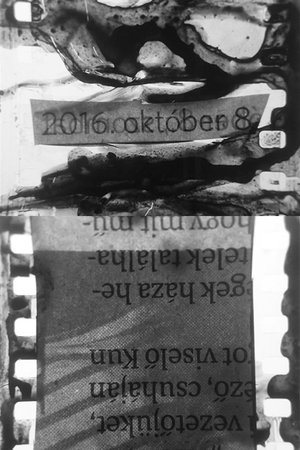
The title of the film is the date on which the editorial staff of Hungary’s largest opposition newspaper, Népszabadság, was fired. The filmmaker tore up copies of that day’s issue, layered them, and then turned them into an urgent collage expressing his yearning for the free expression of opposition viewpoints. The visible edges of the film emphasize the impossibility of presenting information in a complete context.
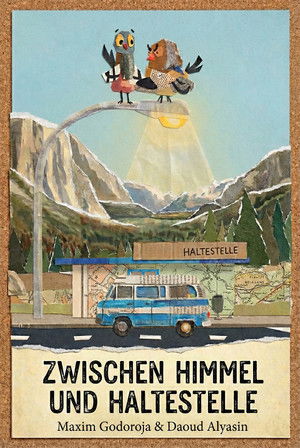
At a bus stop caught between worlds, two very different birds cross paths and what starts as an innocent encounter quickly spirals into a wildly chain of events.
This experimental animated short takes a critical look at consumerism in a material world. Thousands of cut-out ads are presented in increasingly fragmented, rapid succession. The film's disorienting and hectic pace seeks to interrogate the extent to which seductive advertising is a shockingly strong force in shaping our desires, needs, and lives in contemporary capitalism.
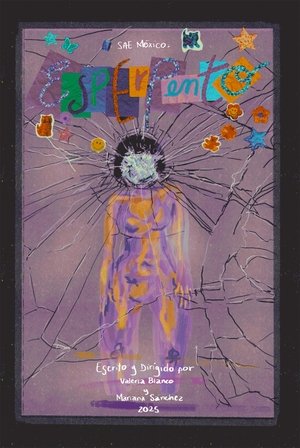
A ritual in the form of a film essay that explores, through collage, the sense of exile experienced during early childhood migration. It examines the primal configuration of detachment from one’s homeland, family environment, and body, and the reclamation of origins as a symbolic center.
Our Lady of the Sphere uses cut-out animation to craft a bizarre science fiction experiment. Moving spheres, such as balloons and bubbles, are superimposed on static backgrounds to suggest travel and discovery.
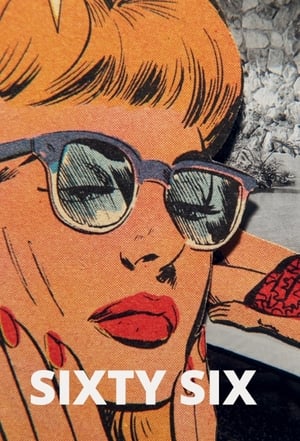
Organized in 12 discrete chapters, Sixty Six is a milestone achievement, the culmination of Klahr’s decades-long work in collage filmmaking. With its complex superimpositions of imagery and music, and its range of tones and textures at once alluringly erotic and forebodingly sinister, the film is a hypnotic dream of 1960 and 1970s Pop. Elliptical tales of sunshine noir and classic Greek mythology are inhabited by comic book super heroes and characters from Portuguese foto romans who wander through midcentury modernist Los Angeles architectural photographs and landscapes from period magazines.
Jordan’s imagery is exquisite and eloquent, concentrating on simple, repeated use of particularly poetic symbols and figures, a conglomerative effect of old Gustave Dore drawings, 19th century whatnot memorabilia, all fused to a totally aware perception. —Lita Eliseu, East Village Other