This documentary is about living with Alzheimer's, seen exclusively through the eyes of people who suffer from it. Eight of them live together under constant supervision and care. They are all in the first phase of the disease: bouts of lucidity, forgetfulness and falling into oblivion constantly alternate. The patients live their lives, as long as they're capable. The film is a 'tranche de vie': a portrait of the daily coming and going of people in that particular and ditto state. It is also the portrait of a brutal disease that irreversible expropriates the memory from the characters. Eventually the characters will have changed. Because of their illness, they may have been disappeared completely, physically or mentally.
A sobering look at the erosion of democracy & freedom of the press in the United States and abroad.
Journey to the heart of the conflict between Kurdistan and the armed group Islamic State. This region that has been neglected and ignored for ages is now one of the key destinations for refugees in the region. This medium-length documentary show the spectator the different groups and communities that are either fighting or residing in the Kurd area.
Cas d'école
Kim Kärnfalk - Jag lever
Hardly could anybody tell that 87 years old Lou has had Alzheimer’s disease. Over the years, Lou has forgotten almost everyone but firmly believes that 88 years old Feng is the one she is going to spend the rest of her life with.
When a mutant gene causing Alzheimer’s is discovered in the Jennings family, it leads scientists on a journey to develop a cure and leaves family members with a terrible dilemma.
This illuminating film documents the largest radioactive waste spill in U.S. history - a national tragedy that received little attention. With the sound of a thunderclap, 94 million gallons of water contaminated with uranium mining waste broke through a United Nuclear Corporation storage dam in 1979. The water poured into the Puerco River in New Mexico - the main water supply for the Navajo Indians that live along the river, and a tributary of the major source of water for L.A. Navajo ranchers, their children, and farm animals waded through the river unaware of the danger. The River That Harms tells the story of this tragedy and the toll it continues to take on the Navajos, who lost the use of their water. To the Navajos, this event is also a prophetic warning for all humanity.
En stille forsvinden
Drawing on the book of the same name, League of Denial crafts a searing two-hour indictment of the National Football League’s decades-long concealment of the link between football related head injuries and brain disorders.
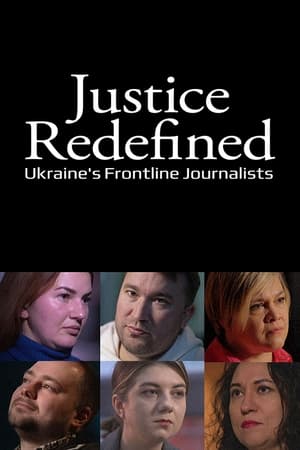
How do you cover a war in your own country? We spent two years with journalists from Ukraine's public broadcaster and saw how Russia's invasion transformed their profession and changed their beliefs. Broadcast on 5/4/2024
A poignant, sometimes sad, sometimes painful, sometimes humorous, often absurd story of a multiple journey: the journey of loss as the director’s mother Aida struggled with losing herself to Alzheimer’s disease, but finding solace in her repeated “returning” to the Yafa and Palestine of her youth; the journey of the loss of a parent; and the ultimate return journey back to Yafa where Aida would finally find rest and be herself once more.
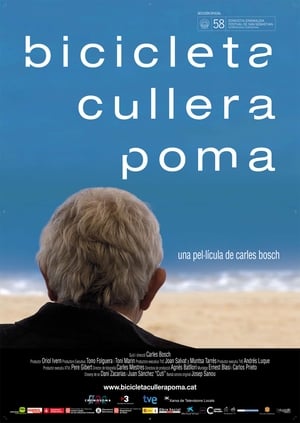
In October 2007, Pasqual Maragall was diagnosed with Alzheimer's. Once past the initial blow, he and his family embarked on a crusade against the disease. From the very first step, this film has grown into an extraordinary testament. With intelligence, sincerity and an infectious spirit, Maragall allows a portrait to be painted of not only himself, but also his family and his doctors, in order to leave behind a lasting document of his personal fight.
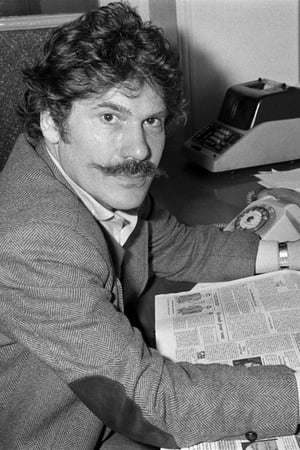
The duel between Pierre Péan and Edwy Plenel revisits some of the great moments of French political life and tells the story of more than 30 years of journalism in France. From distrust to attack, from revenge to caricature, the two icons of French journalism, Pierre Péan and Edwy Plenel, have always been at war. Everything opposes them: their working methods, their vision of the profession and even their way of being. Pierre Péan has always worked alone, in secret, while Edwy Plenel was looking for his place in the collective, heading for the upper echelons of the media... In the 1980s, both men became stars of journalism. In the 1990s, with his best-selling investigations, Péan invented his own independent business model, while Plenel became editor of Le Monde. Their exceptional careers have changed the way news is reported in France
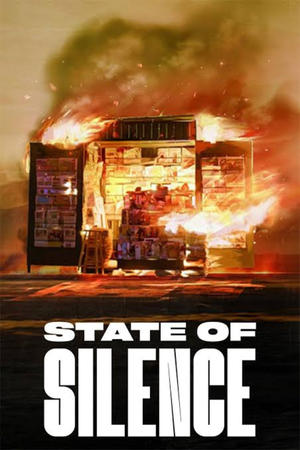
A compelling look at the dangerous, continuing risks committed journalists face in Mexico, where reporting on their country’s corruption and “narco politics” has led to the silencing and killing of some of their peers.
Agnes was diagnosed with dementia in her fifties. Five years have passed and she is still struggling with her new identity, and the loss of who she once was. She decides to pay a visit to Nancy, who eight years ago was also diagnosed with dementia in her fifties. We follow Agnes in her quest for renewal and along the way our notions of what it means to have dementia are challenged and given a fresh perspective. A film about friendship and living with dementia.
In an effort to reconnect with her grandfather, a young woman travels to northeast Poland to trace his ancestry.
Night of The Broom Flower
On the eve of the war in Ukraine, a Russian journalist from pro-Kremlin TV channel brings her rebellious and Westernized teenage daughter on a journey through Putin’s Russia.
The town of Picher, Oklahoma, was once home to the world's richest lead and zinc mining field. After decades of mining, towering piles of mine waste covered 25,000 acres, devastating Quapaw tribal lands and local economies. Acid mine water burned nearby Tar Creek and stained it red. Despite these environmental hazards, many people in Picher desperately wished to stay and revitalize their town.