Za trvalý mír
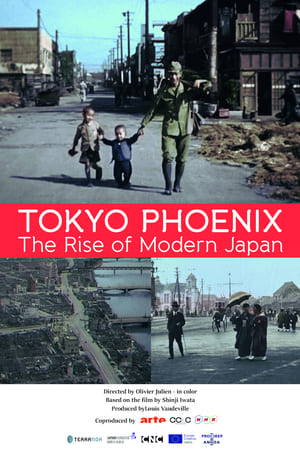
In 150 years, twice marked by total destruction —a terrible earthquake in 1923 and incendiary bombings in 1945— followed by a spectacular rebirth, Tokyo, the old city of Edo, has become the largest and most futuristic capital in the world in a transformation process fueled by the exceptional resilience of its inhabitants, and nourished by a unique phenomenon of cultural hybridization.
"Africa Light" - as white local citizens call Namibia. The name suggests romance, the beauty of nature and promises a life without any problems in a country where the difference between rich and poor could hardly be greater. Namibia does not give that impression of it. If you look at its surface it seems like Africa in its most innocent and civilized form. It is a country that is so inviting to dream by its spectacular landscape, stunning scenery and fascinating wildlife. It has a very strong tourism structure and the government gets a lot of money with its magical attraction. But despite its grandiose splendor it is an endless gray zone as well. It oscillates between tradition and modernity, between the cattle in the country and the slums in the city. It shuttles from colonial times, land property reform to minimum wage for everyone. It fluctuates between socialism and cold calculated market economy.
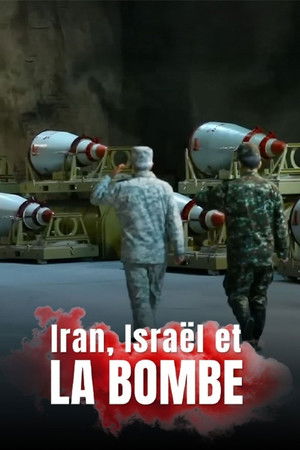
On February 28, 2026, the US and Israel launched massive strikes on Iran, claiming an imminent nuclear threat. This film traces how the world reached this point after more than three decades of shadow war over “the bomb”. Israel has tried to block Tehran’s nuclear drive with sabotage, assassinations and cyberwar – from the Stuxnet virus wrecking Natanz centrifuges to the AI-assisted killing of nuclear programme “father” Mohsen Fakhrizadeh, and a commando raid stealing 1.5 tonnes of secret nuclear archive files. Iran insists uranium enrichment is its sovereign right and key to national identity and regional power. As Israel pounded Iran’s nuclear facilities in June 2025 and systematically weakened its allies in Gaza, Lebanon, Syria and Yemen, nuclear talks continued in Geneva. Iran was edging towards diluting weapons-grade uranium – but Israel wasn’t prepared to wait, and pulled Washington into open war whose global consequences are only now beginning to unfold.
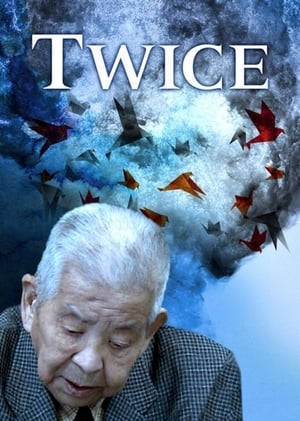
Tsutomu Yamaguchi is a hibakusha. A survivor of both atomic bomb blasts in 1945. First at Hiroshima, then again at Nagasaki. Now nearing 90, Yamaguchi finally speaks out. Breaking taboos of shame and sorrow, he responds to a call to fight for a world without nuclear weapons by telling his story, so that no one else will ever have to tell one like it again. Twice reconstructs Yamaguchi’s experiences in 1945 Japan, interviews him on the after-effects of exposure and documents the last five years of the late-blooming activist’s life.
Setkání v Bukurešti
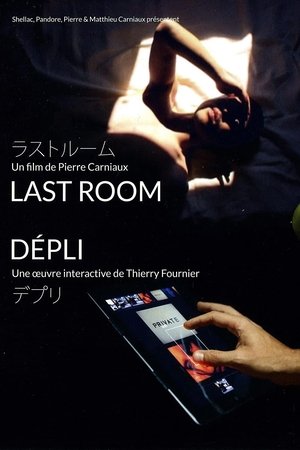
Made in Japan, Last Room is both fiction and documentary. The occupants of the love-hotels and capsule-hotels tell their own intimate, dreamlike stories, interspersed with journeys through the archipelago's landscapes. Soon, these personal stories resonate with a collective history: that of Gunkanjima, the abandoned ghost island of Nagasaki, and then that of Japan as a whole.
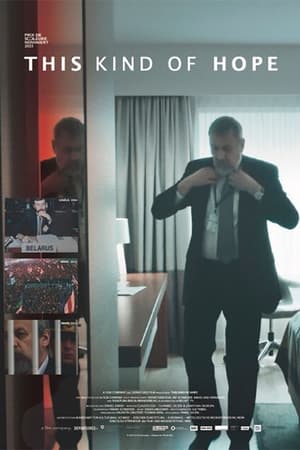
As a diplomat, Andrei Sannikov was instrumental in Belarus' nuclear disarmament in the 1990s. Under dictator Lukashenko, he resigned from the civil service and began the fight for a democratic Belarus, which cost the lives of companions and landed him in prison for a time.
The chronicle of a WWII veteran who was sent into Nagasaki to rescue the Allied POWs after the dropping of the second atomic bomb on Japan.
Combining personal accounts with archive footage, this film features the voices of some of the only people left on earth to have survived a nuclear bomb.
This documentary posits that war and confrontation between superpowers spell doom for humanity. A film warning about all aspects of nuclear danger.
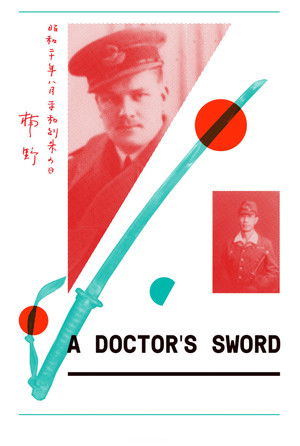
An Irish doctor survived the atomic bomb attack on Nagasaki and was given a Samurai sword for the lives he saved. 70 years later his family searches for the origin of their father's sword.
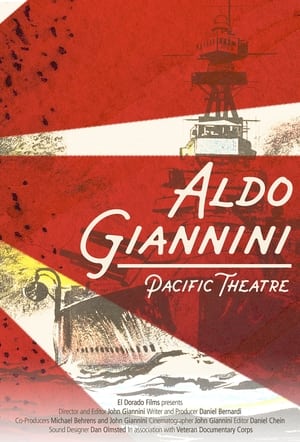
Like many other young men of his generation, after Pearl Harbor was attacked, Aldo Giannini joined the Marines with little idea of what lay ahead. After training, he was quickly deployed overseas and fought in the bloody Battle of Tarawa, surviving with a shrapnel injury and the haunting memory of witnessing the loss of 3,250 U.S. lives. He went on to fight in other battles and returned home after 3 intense years of service. Nearly eight decades later, he still questions if winning the island was worth the price.
A personal documentary that tracks the construction of America's collective memory (or lack of one) of the bombings of Hiroshima and Nagasaki. It follows the obscure histories of specific photos and photographers, both Japanese and American, who visited Nagasaki and Hiroshima in the aftermath of the bombings, counterposing this visual legacy with the stories of survivors, whose practice of speaking to small groups of students offers a modest but powerful counter-history to the official record.
Plena Rondo
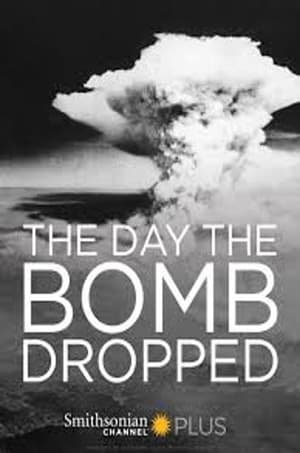
On August 6 1945, one plane dropped one bomb on the Japanese city of Hiroshima. In an instant, the city was destroyed and 80,000 people were dead. But the dropping of the Atomic bomb also launched the Nuclear age, shaping all of our lives and changing the world for ever. For this film we have tracked down people who made the bomb, people who dropped the bomb, and people who were in Hiroshima – some less than half a mile from ground zero -when the bomb fell on their city. Many of the witnesses are in their 90s and this will be the last time they will be able to tell their extraordinary stories. The Day They Dropped The Bomb is told through witness recollections, rare archive film and photographs shot at the time. The documentary will be broadcast for the 70th anniversary of Hiroshima next year by ITV and in America by the Smithsonian Channel.
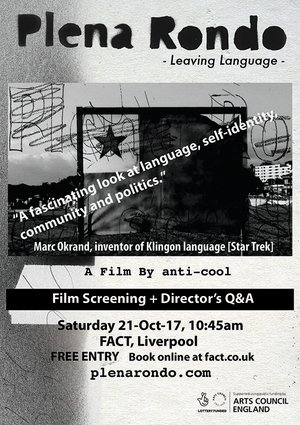
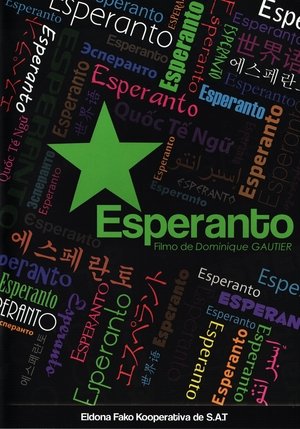
This film, directed by Dominique GAUTIER, takes the viewer on a worldwide excursion into the history and structure of the Esperanto language, introducing its present-day speakers. The words of these users of the language are reflective of a variety of activities and viewpoints, and in the film they are interwoven so as to reveal bit by bit how the utopia of its initiator, Ludwig ZAMENHOF, is concretised every day.
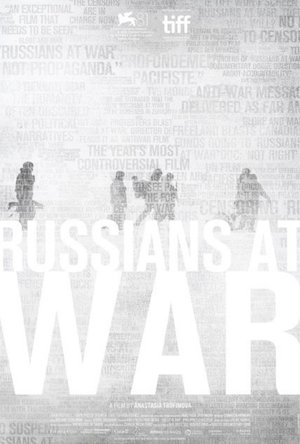
Anastasia Trofimova, a Russian-Canadian filmmaker, gains unprecedented access to follow a Russian Army battalion in Ukraine. Without any official clearance or permits, she earns the trust of foot soldiers and embeds herself over the span of a year with one battalion as it makes its way across Eastern Ukraine. What she discovers is far from the propaganda and labels pushed by the East or West: an army in disarray, soldiers disillusioned and often struggling to understand what they are fighting for.
Documentary about the dangers of the nuclear arms race, including an interview with an eyewitness of the bomb drop on Hiroshima and scientific statements describing the devastating consequences of a nuclear war.
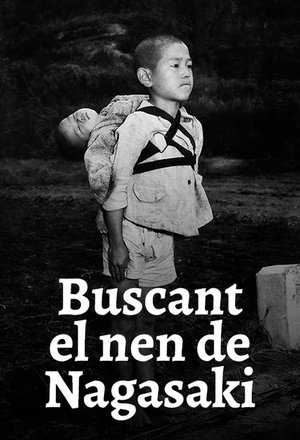
October 1945. A young Japanese boy in the devastated city of Nagasaki, two months after the atomic bomb, carries on his back the lifeless body of his younger brother. An American military photographer, Joe O'Donnell, took a picture of the boy standing stoically near a cremation pit. No one knows the subject's name, but the photo has become an iconic image of the human tragedy of nuclear war. This documentary follows the continuing efforts to deepen understanding of the photograph, while exploring the fate of thousands of atomic-bomb orphans and their struggles to survive the aftermath of World War II.