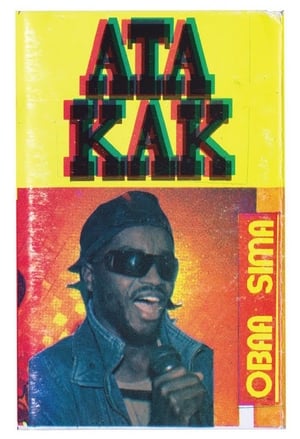
After Awesome Tapes From Africa's Brian Shimkovitz found the energetic, ecstatic music of Ghanaian musician Ata Kak, the tunes became beloved around the world. It was all unbeknownst to the artist himself -- his music was even unknown to those living in his hometown in Ghana. Years of tireless searching ensued, and eventually the Los Angeles-based label owner found a lead. Ata Kak - Time Bomb follows the search that Shimkovitz undertook as well as the visit to Ghana that took place once he found him. It is a celebration of great tunes and how, when it hits the right audience at the right time, music can touch people in a way that you never imagined.
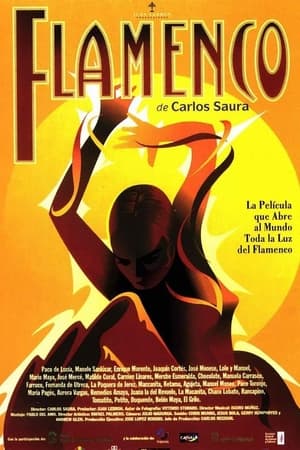
The film presents thirteen rhythms of flamenco, each with song, guitar, and dance: the up-tempo bularías, a brooding farruca, an anguished martinete, and a satiric fandango de huelva. There are tangos, a taranta, alegrías, siguiriyas, soleás, a guajira of patrician women, a petenera about a sentence to death, villancicos, and a final rumba.
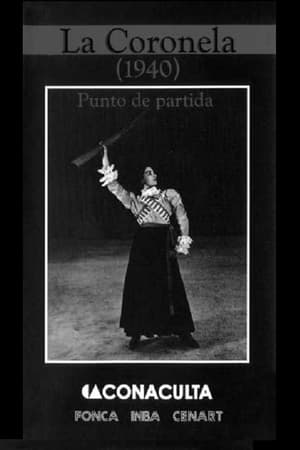
La Coronela (1940). Punto de partida
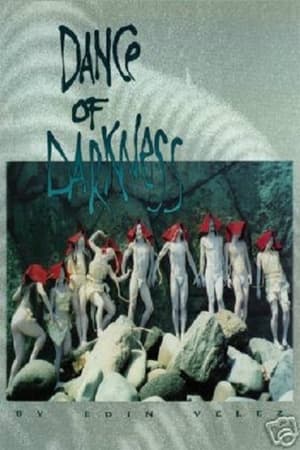
The dark sensibilities and cultural resonances of Butoh, the radical Japanese dance movement, are explored in this multilayered work. Profoundly rooted in both traditional and contemporary Japanese culture, Butoh arose in a spirit of revolt in the early 1960s. Characterized by frank sexuality and bodily distortions, Butoh transforms traditional dance movements into new forms, stripping away the taboos of contemporary Japanese culture to reveal a secret world of darkness and irrationality.
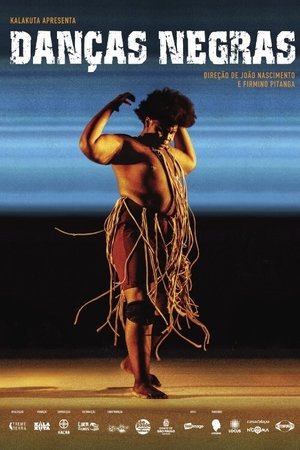
A debate about the presence of black culture in Brazilian contemporaneity, as well as the various paradoxes found in the environment of a society marked by a racist and slavery tradition.
THEY DANCED. The documentary is about women and men who danced and helped make a lot of Rappers and Singers performance presentations exciting and unforgettable.
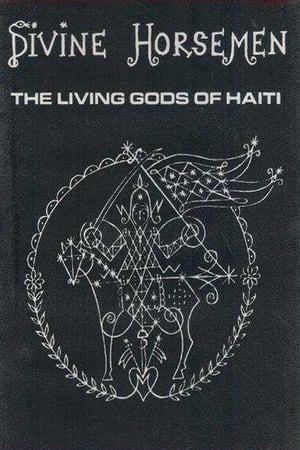
This intimate ethnographic study of Voudoun dances and rituals was shot by Maya Deren during her years in Haiti (1947-1954); she never edited the footage, so this “finished” version was made by Teiji Ito and Cherel Ito after Deren’s death.
Early rave documentary, filmed during rave's burgeoning mainstream appearance in the USA.
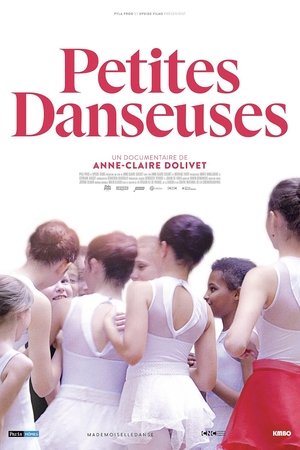
Ida, Olympe, Jeanne and Marie dance to the music of pianos, symphonies, contemporary pieces… in ballet school studios, in the streets, even in their bedrooms. They are between 6 and 11 years old. Very fond of each other, they film themselves, comparing and giving one another support. They also tend to annoy one another, are at times envious, even rejecting each other. What is it like for a little girl to grow up in a world of intense professional and competitive dancing? Closely following the emotions and dilemmas experienced by our young characters, this film explores and probes into a territory that we’ve all navigated, though many of us have forgotten: childhood.
A unique hybrid of documentary, silent film, drama and dance, 'Breaking Plates' puts revolutionary women of the past on the screen with present day filmmakers. Contemporary women talk to characters from 100 years ago, reanimate their antics and emulate their mayhem moves. As early 21st century performers step into the clothes of their early 20th century counterparts, battling their haywire machines, exploding gags, and eruptive bodies, they learn to wield humour as a weapon against the structures that contain them today.
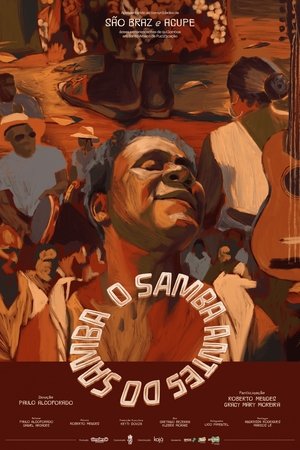
O Samba Antes do Samba
Palucca follows the legendary Dresden dancer and dance teacher Gret Palucca (1902–1993) as she introduces her students to dance as an art form. It also features excerpts from her solo performances, with which she significantly influenced the visual language of modern expressive dance starting in the 1920s.
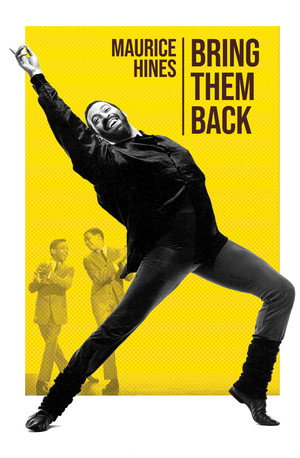
Maurice Hines -- actor, director, singer, and choreographer -- navigates the complications of show business while grieving the loss of his more famous, often estranged younger brother, tap dance legend Gregory Hines.
A quickfire portrait of the New York City ballroom scene in the ‘80s.
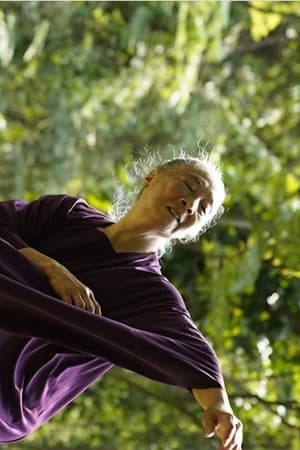
Dance educator LIN Ssu-tuan is the first professional nude model in Taiwan in the 1950s and the 1960s, the muse for painters and sculptors in the art world, and the face for photographers’ salons around the world; in the end, she reversed the dynamics of the subject vs. the object and went on to perform her first solo modern dance in 1975, turning herself from the state of passiveness to an active educator of the art of dance. LIN is over 80 years old, but she still fervently pursues her ideals and passions with her body; her path of life is indeed a book of female art history that communicates with the society in Taiwan.
A short documentary about dancer and choreographer Rudi van Dantzig.
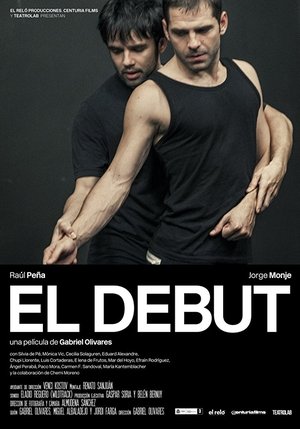
A group of actors gather in a workshop performance. Its aim is to research, create and develop the drama of a future film. With an unfinished script, a story of love and bullfighting background, the TeatroLab actors with director Gabriel Olivares, we are immersed in the passion for the craft of storytelling from the emotion and truth.
QUIMERA
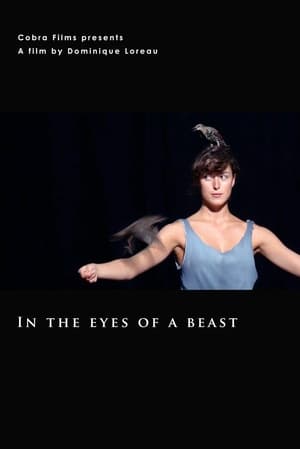
How do humans and animals see each other? Dominique Loreau captures astonishing exchanges of “views” between people and animals who coexist in the city, in farms, slaughterhouses, zoos, museums, or in a dance rehearsal room. In The Eyes Of A Beast questions the permeable boundary between man and animal.
Danza en la sangre