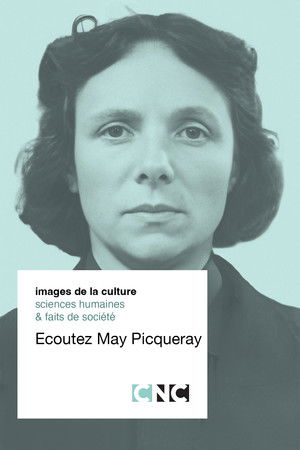
"Well, I believe in anarchy! And I believe it will come true one day." That's what "May the Rebel," a union activist, anti-militarist, and anarchist, always ready to denounce oppression and defend victims, affirms at 85. Born in Brittany, she earned her living at age 10 delivering butter. In Paris, at 20, she became involved with the Anarchist Union. Sébastien Faure became her mentor. She used a grenade to trigger the Sacco-Vanzetti affair. A union delegate in Moscow in 1922, she sang "Hymn to Anarchy" before Trotsky. Children during the Spanish Civil War, Jews during the Second World War, conscientious objectors alongside Louis Lecoin during the Algerian War, and later, through her newspaper Le Réfractaire, the Larzac, Plogoff, and Creys-Malville protests—all these were battlegrounds for May Picqueray. To the very end, she remained true to her commitment to defending peace and individual liberties.
Dublin, June 2024: thousands of men seeking asylum in Ireland are homeless. Olivia and her group of volunteers are trying to find safe locations where the men can sleep each night, but the government is actively enforcing its new policy against homeless encampments, and the far-right are lurking.
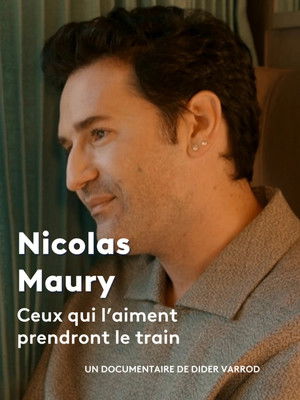
Between the nostalgia of resurfacing roots and the desire to venture into song to experience a rebirth, Nicolas Maury reveals himself unguarded before Didier Varrod, with a deeply moving sincerity. Nicolas Maury released his first album, La porcelaine de Limoges, in January 2023—a new experience for this unique, demanding, and multifaceted actor. It is an opportunity to paint an intimate portrait of him through an extended interview on a train between Paris and Limoges. In this specific setting, which was also that of his first (silent) film role with Patrice Chéreau in Those Who Love Me Can Take the Train, Nicolas discovers archives and hears from close acquaintances who speak about him. A documentary film, like a kind of initiation rite, it moves back and forth between memories of France and childhood, and his condition as a man and artist today, taking on a new identity through music.
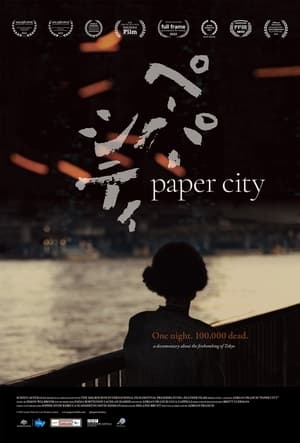
Just after midnight on 10 March 1945, the US launched an air-based attack on eastern Tokyo; continuing until morning, the raid left more than 100,000 people dead and a quarter of the city eradicated. Unlike their loved ones, Hiroshi Hoshino, Michiko Kiyooka and Minoru Tsukiyama managed to emerge from the bombings. Now in their twilight years, they wish for nothing more than recognition and reparations for those who, like them, had been indelibly harmed by the war – but the Japanese government and even their fellow citizens seem disinclined to acknowledge the past.
Metzer 58 play Punk. They were founded in a meet-up at Lebenshilfe Münster, an NGO that provides housing and other services to people with disabilities. The band consists of disabled people and able-bodied people. That doesn't really affect the topic of their songs or the amount of chaos and excess at their gigs, though. In this documentary, director Tobias Stiegler follows the band on tour and paints an intriguing portrait of Metzer 58
Fragments from a portrait of Jean-Louis Costes - sincere artist, versatile designer, poet of excess -, a man forever atoning his anguish through singing, performance, drawing and writing...
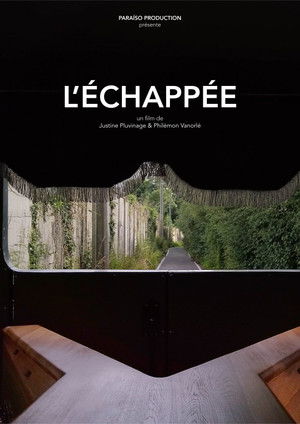
It is the story of an encounter, that of two men, that of a coffin meeting its hearse, of death inviting itself into life or perhaps of life inviting itself into death. This encounter follows an advert on Leboncoin: “Solid oak coffin, varnished. Excellent condition. Large size. Its particularitý is to have the place for the legs embedded. It is not padded inside. Does not fit in an oven, hearse or traditional vault. Difficulty to get through doors (…)”
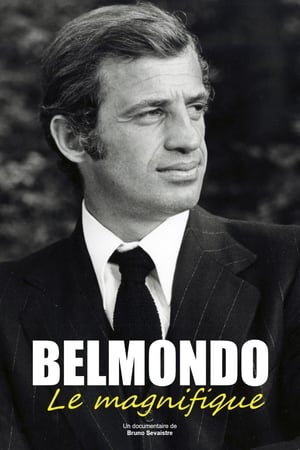
With more than 70 films and 160 million cumulative tickets in France, Jean-Paul Belmondo is one of the essential stars of French cinema.
Migrants from the countryside and unemployed people from neighbouring cities take over some unused land and establish a neighbourhood in the industrial zone of Maracay. The event coincides with a presidential election campaign, which motivates political demonstrations in that town.
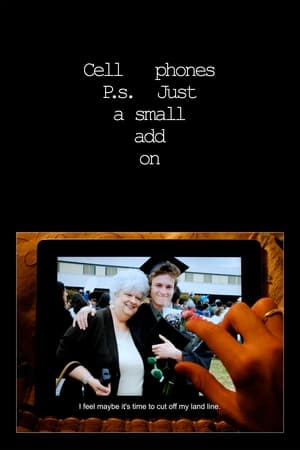
A grandson shows his grandmother how to navigate an iPad 2 full of clues for solving a puzzle. Over a phone call, she recites an email she wrote seven years prior.
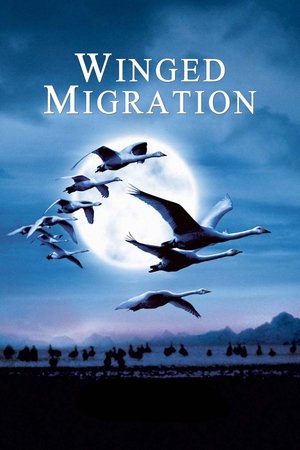
This documentary follows various migratory bird species on their long journeys from their summer homes to the equator and back, covering thousands of miles and navigating by the stars. These arduous treks are crucial for survival, seeking hospitable climates and food sources. Birds face numerous challenges, including crossing oceans and evading predators, illness, and injury. Although migrations are undertaken as a community, birds disperse into family units once they reach their destinations, and every continent is affected by these migrations, hosting migratory bird species at least part of the year.
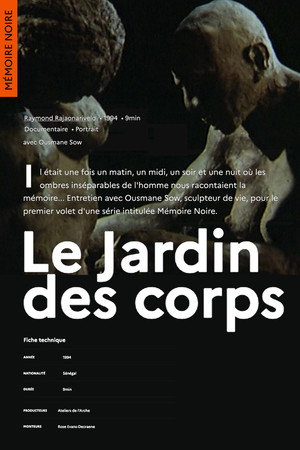
Once upon a time there was a morning, noon, evening and night when the inseparable shadows of man told us about memory... Interview with Ousmane Sow, life sculptor, for the first part of a series entitled Black Memory.
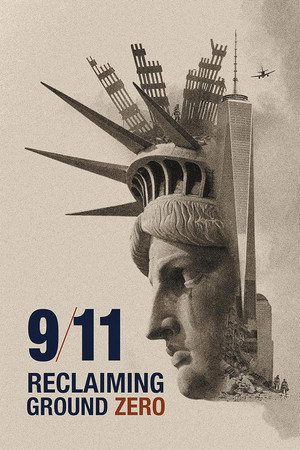
After the 9/11 attacks, after the smoke was gone, after the rubble cleared away, New Yorkers had a city to rebuild. In response to fast-tracked redevelopment plans, more than 5,000 people gathered in the largest town hall in American history. They came to vote on the city’s six proposals for rebuilding Ground Zero. But instead, the people rejected the top down approach and successfully charted a new path forward. Their work determined what is at Ground Zero today. And their story is an example of what democracy can look like.
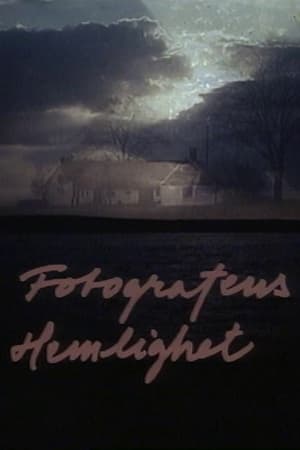
Portrait of photographer Bengt Åke Kimbré where he narrates his own life story accompanied by his photographs.
A story that questions the shaming of the US through revisionist history, lies and omissions by educational institutions, political organizations, Alinsky, Barack Obama, Hillary Clinton, and other progressives to destroy America.
What happens to families in the absence of sons? What happens to land in the absence of farmers? What happens to villages in the absence of men? Sent Away Boys weaves together stories of individual ambitions and family biographies from Punjab (India) to chronicle the gradual transformation of agrarian landscape and patriarchal traditions through ongoing transnational migration. As the promise of a secure future in agriculture grows increasingly uncertain for young men across the region, escaping India to join the low-wage labor in countries like Canada and USA becomes their sole aspiration. In rural Punjab, being a successful man now entails leaving their village, traveling abroad, and sending money home. Through interviews with men preparing to undertake often risky journeys and women awaiting the return of their sons, brothers and husbands, Sent Away Boys shows how young men's decisions to emigrate implicate families and communities across North India.
Diam's, the beloved icon of French rap, gave up everything at the height of her success. The young woman experienced a real descent into hell: depression, loneliness, and disillusionment in the face of suffocating fame. On the brink of disaster, she found refuge in religion. Rare archives, memorable music videos, and previously unseen testimonials reveal the violence of her success and her vital need to disappear in order to rebuild herself, choosing the shadows after the light.
Za oknem...
A car slowly navigates the winding streets and disparate airwaves of the United States of America in search of the scars of capitalism in natural landscapes, urban environments, people, and wildife.
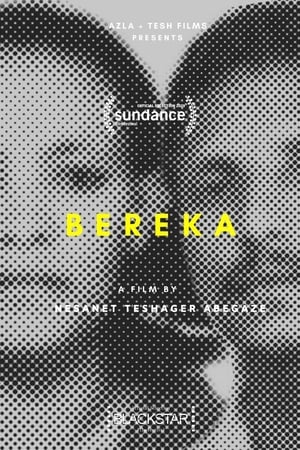
A family history archive as told by matriarch Azalu Mekonnen and her granddaughter Samira Hooks.