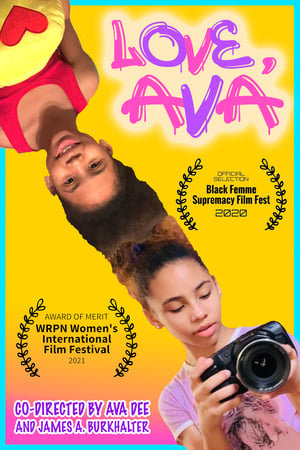
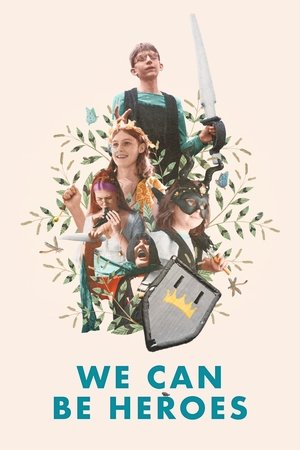
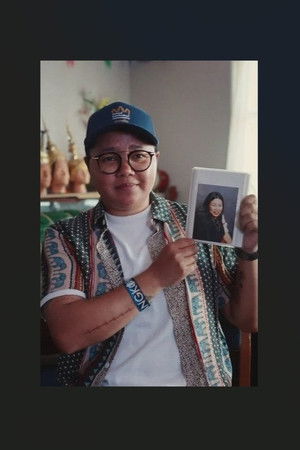
Keenly aware that his niece is going through a particularly rough time at home, Uncle James teaches Ava Dee how to use the Blackmagic Pocket Cinema Camera. As an experiment, he tells her to shoot whatever she wants and he'll edit it into a film.
The 3rd installment in James A. Burkhalter's QUEER ROOTS trilogy: After years of his mother begging him to do it, James decides to finally review and erase 10 years' worth of phone messages. It tells the story of James' "roaring twenties," constructed solely through the voices of friends, family, and lovers.
Outtakes, commentary from Zefier's third film: Jo; or The Act of Riding a Bike.
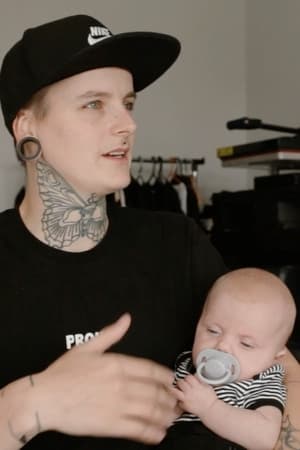
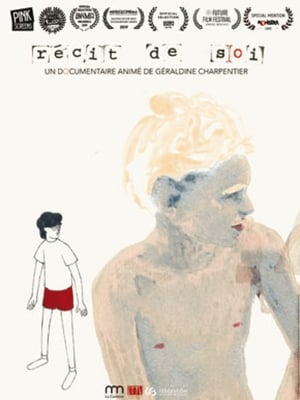
Max is gender non-conforming and gives birth to River, who they are raising gender-neutral until River can express their own identity.
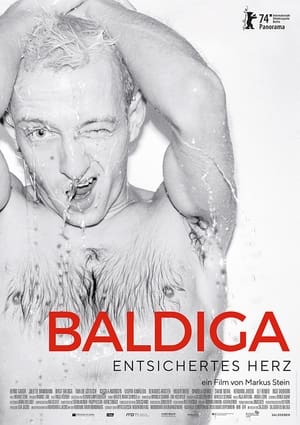
Using diary excerpts, photographs and memories from companions, the film paints the portrait of the artist Jürgen Baldiga who sensitively and authentically captured the West Berlin queer scene of the 1980s and early 1990s with his camera.
A documentary interview with Khookha McQueer a queer visual and performing artist, non-binary transgender activist. Active in raising awareness of the rights of people living with HIV. Discussing her personal experience, sexual health and people living with HIV’s condition in Tunisia.
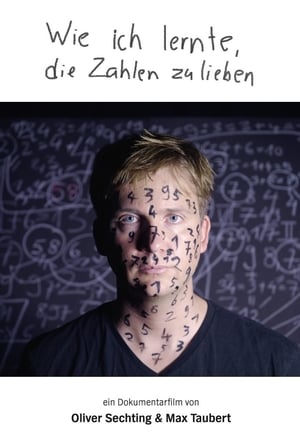
A New York film and at the same time the study of a young man suffering from an obsessive-compulsive disorder (OCD). The Berlin filmmaker Oliver Sechting (37) and his co-director Max Taubert (23) travel to New York with the idea of documenting the art scene there. However, the project is quickly overshadowed by Oliver's OCD, and the two directors fall prey to a conflict that becomes the central theme of their film. Encounters with such artists as film directors Tom Tykwer (Cloud Atlas), Ira Sachs (Keep the Lights On), and Jonathan Caouette (Tarnation) or the transmedia artist Phoebe Legere seem more and more to resemble therapy sessions. At last, Andy Warhol-Superstar Ultra Violet succeeds in opening a new door for Oliver.
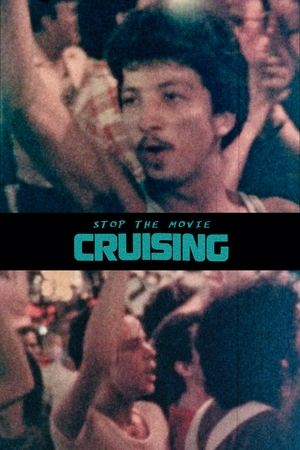
A short film documenting street protests against the filming of William Friedkin's Cruising (1980)
Sometimes, finding your tribe requires a bit of magic. For attendees of a live action role-playing (LARP) camp in upstate New York, the deeply accepting environment has given neurodivergent, queer, and self-proclaimed "nerdy" teenagers the space and community for self-discovery that they have never found anywhere else. As the campers immerse themselves in this imaginative world, they discover inner strength, heal from past traumas, and emerge as the heroes they are meant to be, both in the fantasy realm and in real life.
While non-binary representations are rare, Lou talks about their relationship to gender, clothes, and other markers.
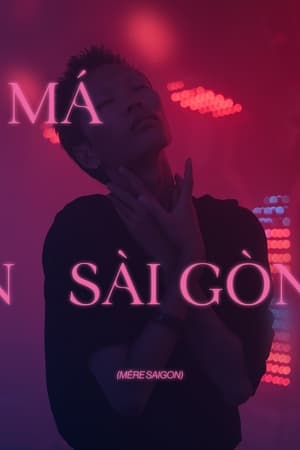
In Saigon, family culture carries on as it has for centuries, even when blood ties are broken. Through a mosaic of intimate portraits, Má Sài Gòn explores humanity’s universal desire for love, acceptance, connection and belonging through an LGBTQ+ lens. The film is a love letter – a bittersweet ode to a comforting yet disturbing mother, to a city that is as liberating as it is oppressive.
Maruxak: Vente con nosotras
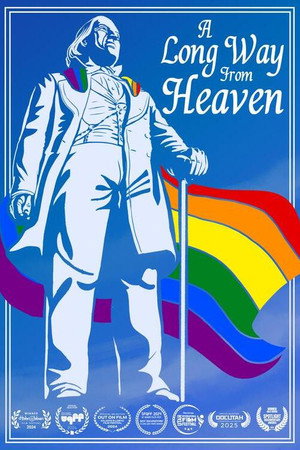
The true story of the students of Brigham Young University's queer underground, as they lit the school's iconic "Y" in rainbow colors. But, A Long Way From Heaven does a lot more than tell the story of the Rainbow Y. It outlines the history of queer treatment at BYU - the good (where it exists), the bad, and the very, very ugly. The film combines new, original footage with a huge variety of historical images, videos, newspaper articles, and other mixed media from every conceivable source to tell the story of BYU's queer students, and the bravery and risks they constantly take to make their voices heard.
An edgy and unapologetic look at the growing impact that open LGBTQ music artists, and their straight allies, are having on the portrayal of sexuality and gender politics in music, and its affect on the normalizing of gay culture. Using artists personal experiences as a lens, we'll look at sexuality's influence on music and the role of social media in helping artists complicate mainstream expectations of identity. How far are artists willing to push their music, messages and imagery to challenge the way pop culture defines notions of sexuality, masculinity, femininity, gender and what it means to be queer?
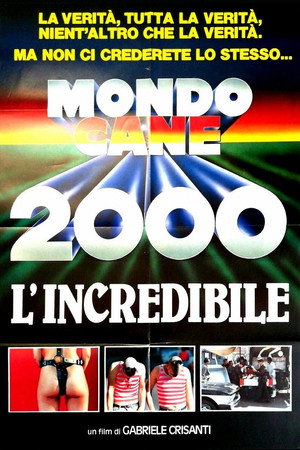
The final official installment in the "Mondo Cane" series dares to go where no other Mondo film has gone before.
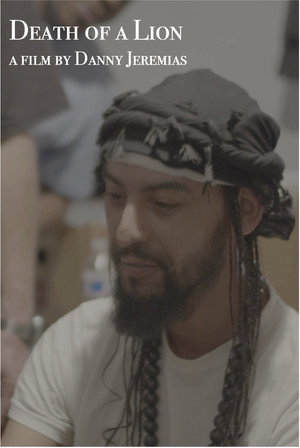
A former leader in the Black Lion Party for International Solidarity shares his story of found family, loss, and transcendence. Shot over the course of two months, this short documentary provides a glimpse into the dynamics of modern American revolutionary movements. Jeremias' film captures a very brief, but important period of transition for the Black Panther Party in the 2020s.
Between Us follows the multilayered stories of LGBTQIA+ Khmer and Vietnamese cultural workers in southern California as they contemplate the in-betweenness of belonging, healing, and carving out spaces of their own.
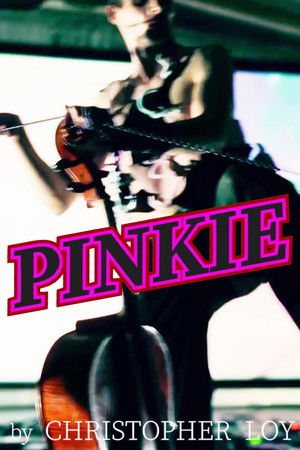
A sonic, surrealist narration in which the musicians fingers’ are the protagonists. Reflecting on common hierarchies and roles of the fingers when navigating through physical, digital and sonic realms, "Pinkie" is taking a perspective of deconstructing and reassigning them towards a queer, holistic reception of playing an instrument.
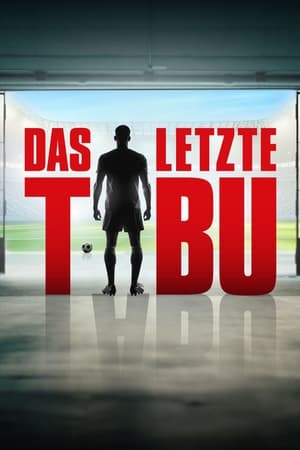
Hard to imagine, but true: According to current estimates, out of 500,000 active male football professionals worldwide, under ten (10) are openly homosexual. While homosexuality hardly plays a role in other areas of life today, the topic seems to be completely taboo in professional football. The feature-length documentary THE LAST TABOO lets those who broke exactly this taboo tell their very personal stories alongside Thomas Hitzlsperger. Like the British professional footballer Justin Fashanu (*1961 in London; † 1998 in London), who broke this taboo for the first time in 1990 and paid for it with his life. His niece Amal tells his story. Marcus Urban, on the other hand, was about to make the jump to the Bundesliga as a teenager and, by deciding to come out, he also went against his big dream. The stories of the US professional Collin Martin and the British player-coach Matt Morton, on the other hand, suggest that normality is not far away.
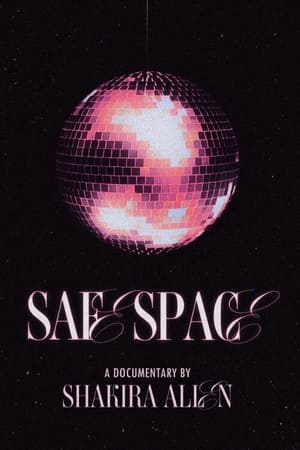
Following the lives of Queer creatives behind Norwich’s queer collaborative ‘Stripped Sets’. We discover the reasoning behind the need for safe spaces, and the stories that come with them. Through live events, photoshoots and history, we see the process in creating such an important event.