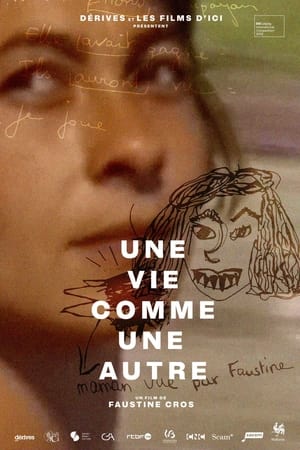
Over many years, the director’s father filmed his family life almost obsessively. His daughter’s birth, his son’s first steps, and always Valérie, the young mother. An impressive fund of material which their now grown-up daughter Faustine appropriates to tell quite a different story: that of a woman who sees her role as a mother and its demands take away her freedom step by step.
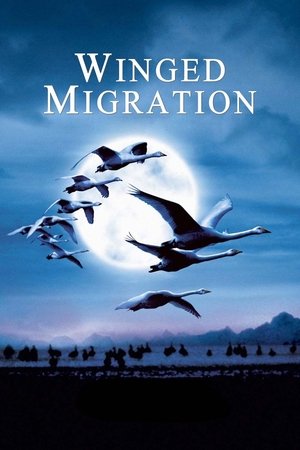
This documentary follows various migratory bird species on their long journeys from their summer homes to the equator and back, covering thousands of miles and navigating by the stars. These arduous treks are crucial for survival, seeking hospitable climates and food sources. Birds face numerous challenges, including crossing oceans and evading predators, illness, and injury. Although migrations are undertaken as a community, birds disperse into family units once they reach their destinations, and every continent is affected by these migrations, hosting migratory bird species at least part of the year.
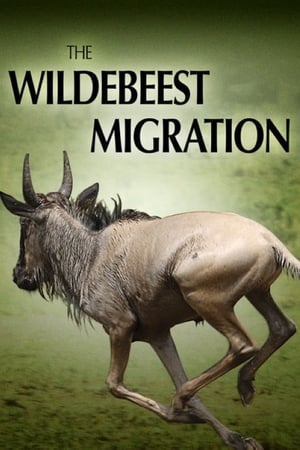
Every year, on the steppes of the Serengeti, the most spectacular migration of animals on our planet: Around two million wildebeest, Burchell's zebra and Thomson's gazelles begin their tour of nearly 2,000 miles across the almost treeless savannah. For the first time, a documentary captures stunning footage in the midst of this demanding journey. The documentary starts at the beginning of the year, when more than two million animals gather in the shadow of the volcanoes on the southern edge of the Serengeti in order to birth their offspring. In just two weeks, the animal herd's population has increased by one third, and after only two days, the calves can already run as fast as the adults The young wildebeest in this phase of their life are the most vulnerable to attacks by lions, cheetahs, leopards or hyenas. The film then follows the survivors of these attacks through the next three months on their incredible journey, a trip so long that 200,000 wildebeest will not reach the end.
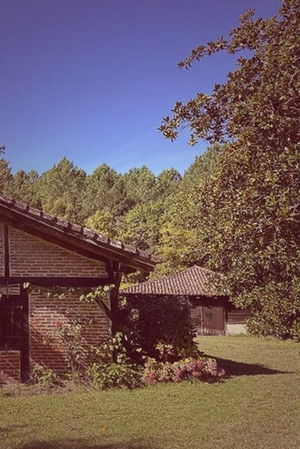
Home to the Mitterrand family since 1965, Latche was the former president's base for three decades. Family, friends, and world leaders gathered there for walks, hours of conversation, and some of the defining moments of the century. There, he was a different François Mitterrand, absorbed by the "spirit of the place," far from the trappings of the Republic. An intimate space, Latche was also a political territory open to the world, a powerful diplomatic asset serving the ambitions of its owner.
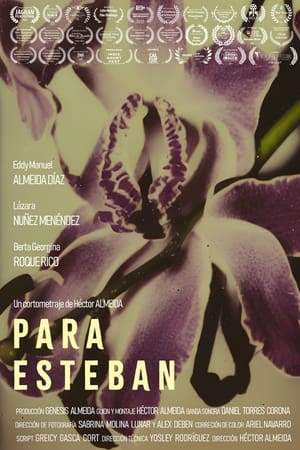
Gregorio, Dolores and Zoila are three elders excited about the arrival of a new member to the family; Esteban, their great-grandson. Through the memories of their ancestors, they narrate themes of loneliness, love, union, loss, and hope. They search through their belongings for a special gift to leave to a future Esteban, who may never know them as an adult. The short film itself is a gift that will make them endure in their family history.
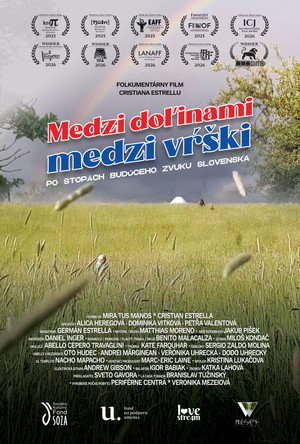
This is not just a “folkumentary”, but an invitation to reflect on the future of humanity on a planet where tradition and technology coexist, and where the unknown reminds us that there are still unanswered questions.
Julie Wyman’s quest to find her place within the little people (LP) community at a moment when dwarf identity is poised to radically change. As Julie unpacks the rumors of “partial dwarfism” in her family she finds that hers is the last of a body type she has inherited. She joins forces with a group of dwarf artists to confront the legacy of being tokenized and put on display.
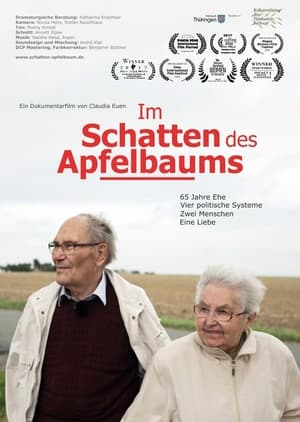
65 years of marriage, four systems, two people, one love: Ilse and Wolfgang Gutsche have gotten along well with each other their entire lives. And they would do it all again.
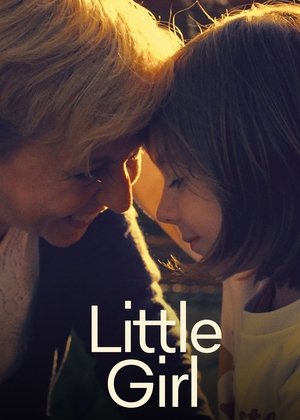
7-year-old Sasha has always known that she is a girl. Sasha’s family has recently accepted her gender identity, embracing their daughter for who she truly is while working to confront outdated norms and find affirmation in a small community of rural France.
Apuntes a la Orilla
Produced by the Army Pictorial Service, Signal Corps, with the cooperation of the Army Air Forces and the United States Navy, and released by Warner Bros. for the War Activities Committee shortly after the surrender of Japan. Follow General Douglas MacArthur and his men from their exile from the Philippines in early 1942, through the signing of the instrument of surrender on the USS Missouri on September 1, 1945. Preserved by the Academy Film Archive in 2013.
Bleu demain
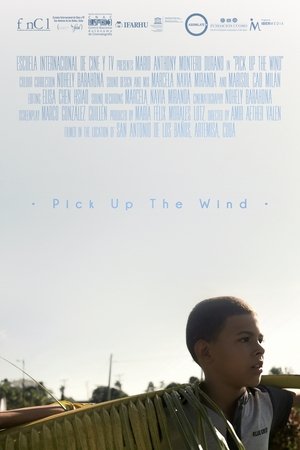
A short film following Anthony, a young child from the small, rural town of San Antonio de los Baños, Cuba. We see him in different moments of his daily life as he interacts with different forms of environmental, familial, and social influences. While Anthony displays contradictory traits of creativity, destruction, rigidity, and tenderness as he interacts with his external and internal worlds, we see a story built from the the multidimensionality of Anthony's layered personality as a young man.
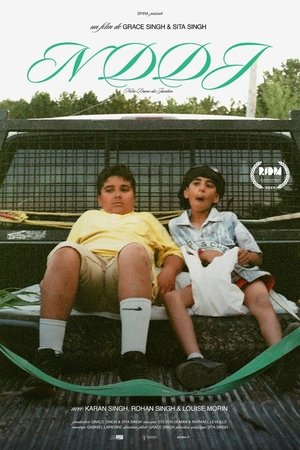
Karan and Rohan, two biracial brothers raised in a marginal environment, are finding ways to get stimulated on a normal summer day. They embark on a trip to buy candies to avoid boredom. This film plays with the sense of boundaries between what is real and what is fiction. It is a film about the love of two brothers and their singular reality in the countryside of Quebec.
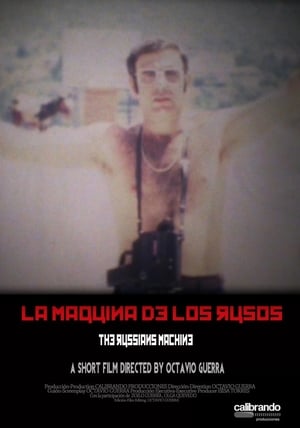
The Russians Machine
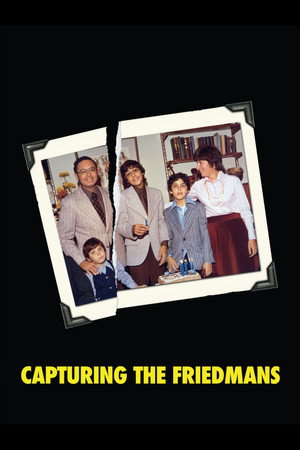
An Oscar nominated documentary about a middle-class American family who is torn apart when the father Arnold and son Jesse are accused of sexually abusing numerous children. Director Jarecki interviews people from different sides of this tragic story and raises the question of whether they were rightfully tried when they claim they were innocent and there was never any evidence against them.
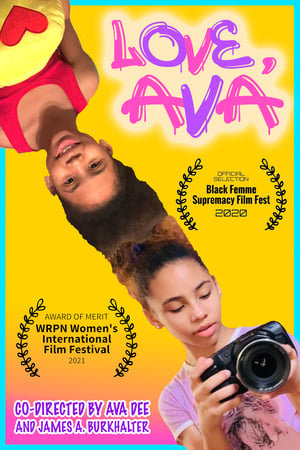
Keenly aware that his niece is going through a particularly rough time at home, Uncle James teaches Ava Dee how to use the Blackmagic Pocket Cinema Camera. As an experiment, he tells her to shoot whatever she wants and he'll edit it into a film.
En el recuerdo habita el olvido
Between 1968 and 1970, J M Goodger, a lecturer at the University of Salford, made a film record of the living conditions in the slums of Ordsall, Salford, which were then in the process of being demolished. Under the title 'The Changing face of Salford', the film was in two parts: 'Life in the slums' and 'Bloody slums'.
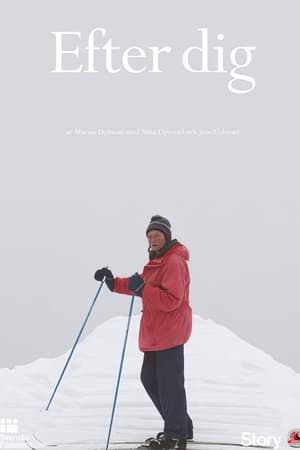
"My mother is spending all her time with her dying father. I’m spending all my time filming her. As the end is getting closer, my mother and I start doing the filming more and more together. It becomes our way of dealing with the time we have left." —Marius Dybwad Brandrud