The story of a Ukrainian cat named Loki: his journey to escape the war in Ukraine and his adaptation in Ireland.
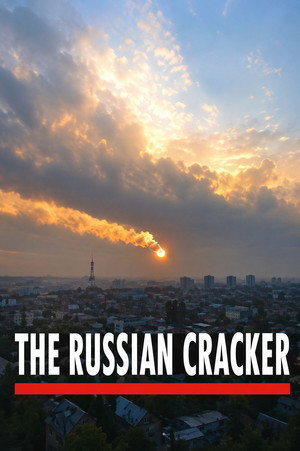
Russia is grappling with a critical issue: they have become the country with the most at large serial killers in the world particularly concentrated in Rostov, the same city that witnessed Andrei Chikatilo's infamous killing spree. In response, law enforcement has turned to Dr. Alexander Bukhanovsky, a prominent psychiatrist and criminal profiler, who is implementing radical measures to understand the root causes of this phenomenon and develop effective solutions. Within Dr. Bukhanovsky's clinic, we encounter three of his young patients: Edward and Igor, whose families express deep concerns about their disturbing fantasies, and 'Mischa', who has perpetrated acts of torture and sexual assault. Dr. Bukhanovsky's approach is groundbreaking, offering treatment to potential serial offenders. However, critics argue that by keeping individuals like 'Mischa' anonymous, he may inadvertently shield them from public awareness and accountability, prompting debate over the ethics of his methods.
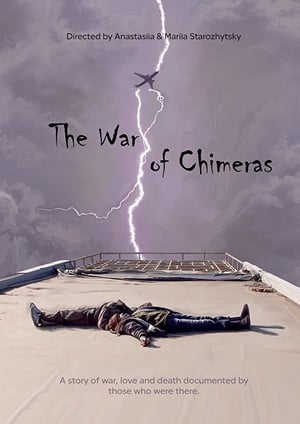
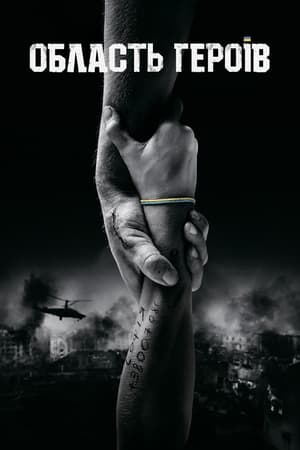
The story of war, love and death that was documented by the immediate participants of events. Off screen and later on it are the two - a boy and a girl. He volunteered for the front; she went to the place just after the battle. He got into Ilovaysk cauldron, lost his closest brother-soldiers. She, while travelling along the ruined towns, strives to understand the essence of war and love. Both tell openly one another about their feelings during the war, escaping the cauldron, a try to live together after, and a common trip to the frontline.
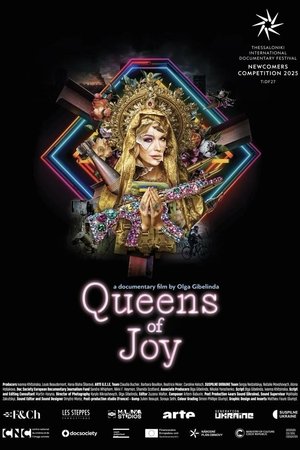
Monroe, Aura, Marlene: Three drag queens from the Ukrainian LGBTQ+ community raise funds for the frontlines, re-defining resilience and hope between glamorous shows and wartime life.
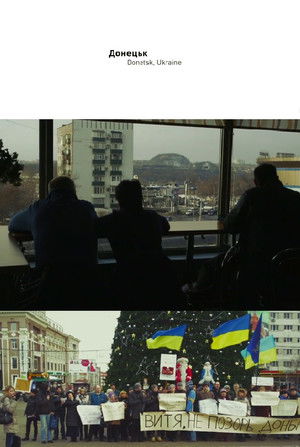
Chronicles April 2014 Ukrainian protests against Russian occupation intentions in Donetsk, Ukraine.
Chronicles a Ukrainian march in Donetsk, that happened in solidarity with Euromaidan in November 2013, despite threats from pro-Russian forces.
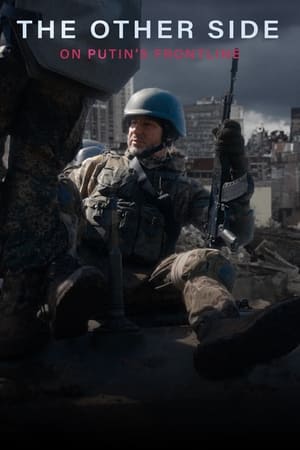
The documentary follows filmmaker Sean Langan's journey into the invader’s Russian side of the war in Eastern Ukraine. Sean heads into the Russian-occupied Donbas region to find out through the eyes of soldiers on the Eastern front and civilians coping with war in the streets how the conflict is affecting them.
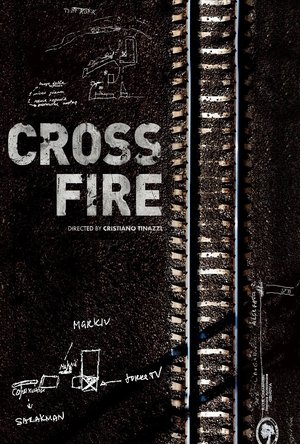
Crossfire is the investigative documentary by an international team of journalists about two reporters, Andrea Rocchelli and Andrej Mironov, killed in eastern Ukraine, and the Ukrainian soldier Vitaly Markiv accused of their murder
The film uniquely recounts the lives of workers at Ukraine's Chornobyl nuclear power plant, National Guard soldiers and residents of surrounding towns and villages. These have been at the epicenter of the Russian occupation since February 24, 2022. It's a film that shows how a thin line separates humanity from another nuclear catastrophe and how the fight for survival was on a "ticking bomb." Under the constant threat of shelling and rockets.
At the Vynnyky Medical Center, located in the suburbs of Lviv, Ukraine, the staff treats exclusively war casualties: amputees and those who have been disfigured. An internationally renowned surgeon, Chloé Bertolus is one of the leading specialists in facial reconstruction. Several times a year, she visits the wounded to repair tissue damaged by bullets and shrapnel from the Russian army.
Film reconstruction of five real stories about the heroic deeds of the residents of Kyiv region during the Russian occupation. A story about those who heroically and selflessly saved tens of thousands of Ukrainian lives.
New York City's beloved Ukrainian restaurant Veselka is best known for its borscht and varenyky, but it has become a beacon of hope for Ukraine. As the second-generation owner Tom Birchard reluctantly retires after 54 years, his son Jason faces the pressures of stepping into his father’s shoes as the war in Ukraine impacts his family and staff.
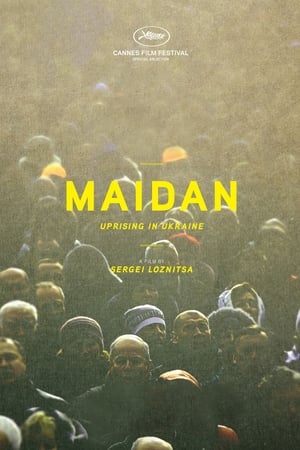
A chronicle of the civil uprising against the regime of Ukrainian president Viktor Yanukovych that took place in Kyiv in the winter of 2013/14. The film follows the progress of the revolution: from peaceful rallies, half a million strong in the Maidan square, to the bloody street battles between protesters and riot police.
When on February 24, 2022, Russian troops attacked Ukraine, the world stopped. The first shock, however, quickly turned into action. It was a natural impulse of the heart, Poles could not leave their neighbors, their friends from Ukraine completely alone. Almost everyone, residents of small and large cities, young and old, rich and poor, became involved in helping Ukrainians, opened their homes for those fleeing the war, and began to organize humanitarian aid. Did they pass the humanity test?
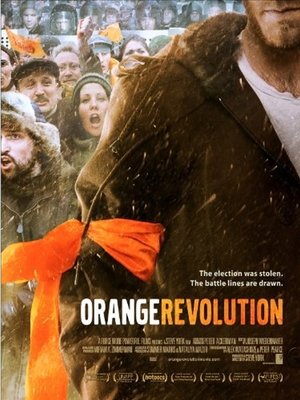
Filmmaker Steve York explores the controversial 2004 Ukrainian presidential election, during which candidate Viktor Yushchenko suffered a near-fatal poisoning and his unpopular opponent, Viktor Yanukovych, was declared the winner. In the aftermath, more than a million people -- including the ailing Yushchenko -- took to the streets of Kiev, protesting the results that contradicted exit polls showing Yushchenko with an impressive lead.
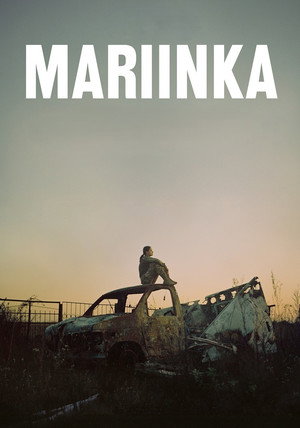
In Eastern Ukraine, childhood neighbors find their lives violently derailed by a shifting frontline. Natasha, a promising boxing talent, becomes a military paramedic. Angela, who lost her parents at a young age, survives by moving goods to both sides of the front. Caught in a modern Greek tragedy, brothers Mark and Ruslan now fight on opposite sides – against each other. In the safety of his adoptive family in the United States, their youngest brother Daniil follows the war from afar.
The little-known story of Ukrainian children torn from their homes in the crush between the Nazi and Soviet fronts in World War II. Spending their childhood as refugees in Europe, these inspiring individuals later immigrated to the United States, creating new homes and communities through their grit, faith and deep belief in the importance of preserving culture.
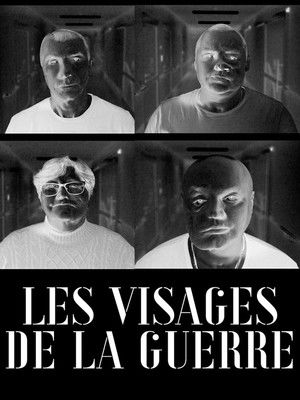
As the Russian invasion begins, a team of Ukrainian journalists trapped in the besieged city of Mariupol struggle to continue their work documenting the war's atrocities.
When Brovary village officially became a town, one third of its residents were communist. After 60 years and three revolutions such proportion didn’t change: thirty percent of its streets keep the names of the former empire.
"LIDA" takes place on the day of Lida's 70th birthday. This already special day is made more unusual by the recent arrival of her grandson, Lev, who had immigrated to the United States with his family in 2001. Returning to Ukraine for the first time as an adult, Lev documents his grandmother as she tends to the small homestead and prepares for the birthday celebration in the rural village in Ukraine. By capturing moments of arduous labor, as well as through personal conversation, Lev inquires into his grandmothers relationship to her home, land - and their family.