CREE CODE TALKER reveals the role of Canadian Cree code talker Charles 'Checker' Tomkins during the Second World War. Digging deep into the US archives it depicts the true story of Charles' involvement with the US Air Force and the development of the code talkers communication system, which was used to transmit crucial military communications, using the Cree language as a vital secret weapon in combat.
Three intrepid women battle for Indigenous women's treaty rights.
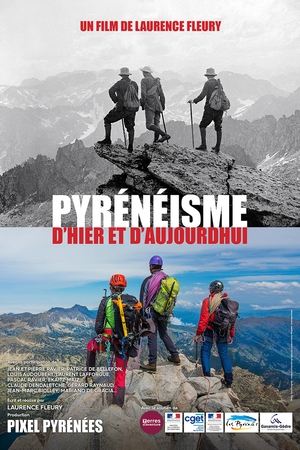
The word Pyreneism was invented by the writer Henri Beraldi at the end of the 19th century. Its definition did not come down to a simple practice of mountaineering in the Pyrenees. To be recognized as a Pyrenean, it was necessary to “ascend, write and feel”. An approach to the mountains, according to him, necessarily accompanied by an artistic or intellectual activity. This documentary looks back at the Pyrenees who have left their mark on history, before interviewing contemporary mountain dwellers who, through their mountain practice, consider themselves, or not, Pyreneanists. What prompted Beraldi to coin this term? Does it result from a Pyrenean complex facing the Alps? Chauvinism or a demand for identity? And today, does this word still have meaning? Beyond the reflection on the subject, this film is a wonderful tribute to the massif.
This is not a film about gun control. It is a film about the fearful heart and soul of the United States, and the 280 million Americans lucky enough to have the right to a constitutionally protected Uzi. From a look at the Columbine High School security camera tapes to the home of Oscar-winning NRA President Charlton Heston, from a young man who makes homemade napalm with The Anarchist's Cookbook to the murder of a six-year-old girl by another six-year-old. Bowling for Columbine is a journey through the US, through our past, hoping to discover why our pursuit of happiness is so riddled with violence.
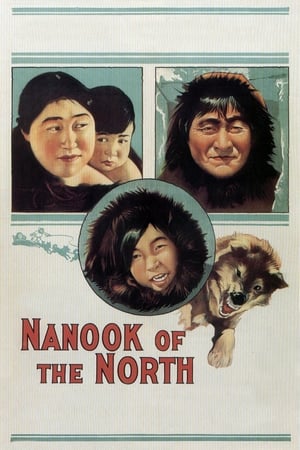
This pioneering documentary film depicts the lives of the indigenous Inuit people of Canada's northern Quebec region. Although the production contains some fictional elements, it vividly shows how its resourceful subjects survive in such a harsh climate, revealing how they construct their igloo homes and find food by hunting and fishing. The film also captures the beautiful, if unforgiving, frozen landscape of the Great White North, far removed from conventional civilization.
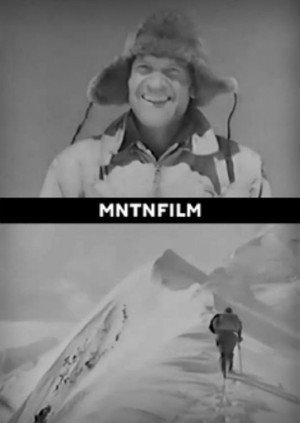
Brad and Barbara Washburn were filmed by National Geographic and RKO Pictures on their ascent of Mount McKinley in Alaska. The film is a pictorial record of the first scientific conquest of Mount McKinley, filmed with the cooperation of the Boston Museum of Science. The short is part of the RKO's 'This is America' documentary series.
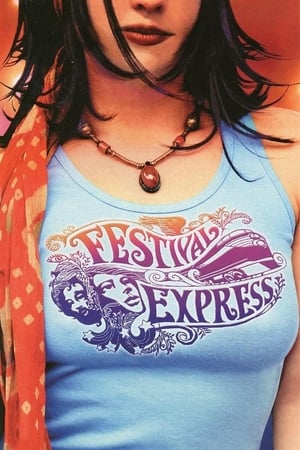
The filmed account of a large Canadian rock festival train tour boasting major acts. In the summer of 1970, a chartered train crossed Canada carrying some of the world's greatest rock bands. The Grateful Dead, Janis Joplin, The Band, Buddy Guy, and others lived (and partied) together for five days, stopping in major cities along the way to play live concerts. Their journey was filmed.
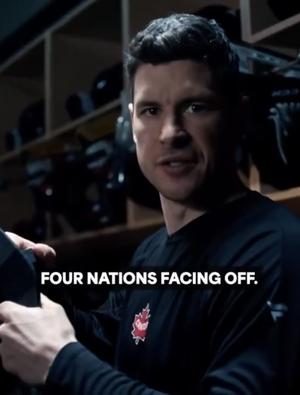
In perhaps the most emotional release of the year, Captain Canada aka Sidney Crosby lets us know that Four Nations are... what? Watch this 1hr long masterpiece, created by FierySharky (Twitter), in order to find out.
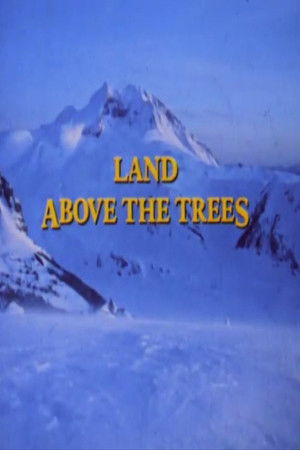
Documentary about a place in Canada above the tree line.
Wisconsin's tribe's ongoing fight to protect Lake Superior for future generations. "Bad River" shows the Bad River Band of Lake Superior Chippewa's long history of activism and resistance in the context of continuing legal battles with Enbridge Energy over its Line 5 oil pipeline. The Line 5 pipeline has been operating on 12 miles of the Bad River Band's land with expired easements for more than a decade. The Band and the Canadian company have been locked in a legal battle over the pipeline since 2019.
Two thousand Canadians suffered the longest incarceration anywhere in the Second World War, a bitter four-year period inside Japanese POW camps in Hong Kong and Japan.
A Circle-Vision 360 degree film capturing the sites, sounds, and people of Canada.
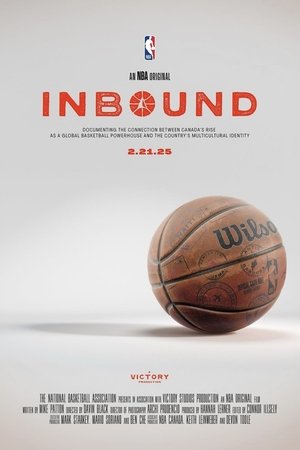
A basketball team born out of an egg, in a hockey-crazed city, playing in a baseball stadium, fights for survival and ultimately conquers a nation and the league. This documentary offers an in-depth look at how a fledgling franchise transformed into a cultural phenomenon, uniting communities and reshaping Canada's identity.
Documenting the shared trajectory between Canada’s rise as a global basketball powerhouse and the circumstances that helped shape the country’s multicultural identity.
Yagorihwanirats, a Mohawk child from Kahnawake Mohawk Territory in Quebec, attends a unique and special school: Karihwanoron. It is a Mohawk immersion program that teaches Mohawk language, culture and philosophy. Yagorihwanirats is so excited to go to school that she never wants to miss a day – even if she is sick.
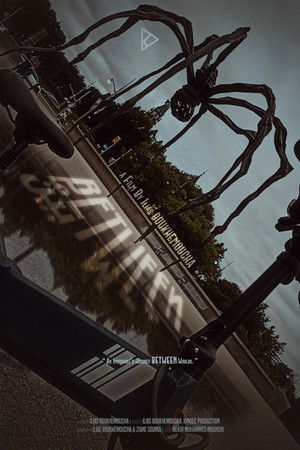
Initially embarking on an unplanned personal filmmaking project, Ilias Boukhemoucha finds himself drawn to the overlooked corners and marginalized communities within Canadian cities.
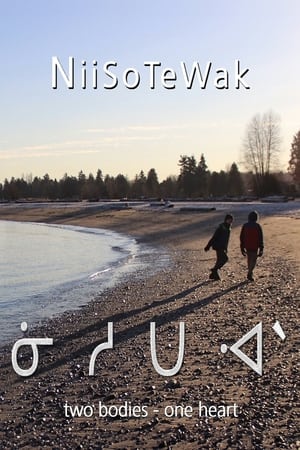
NiiSoTeWak means “walking the path together.” Tapwewin and Pawaken are 10-year-old brothers trying to make sense of the world, their family and each other. They’re already grappling with some heady questions about identity. What does it mean to be a twin? What does it mean to be Cree? How do you define yourself when you’re forever linked to someone else? The twins discuss these questions with their two elder brothers — 22-year-old actor Asivak and 20-year-old basketball player Mahiigan — and their parents, Jules and Jake.
One Saturday morning, filmmaker Madison Thomas has a revelation: she’s just like her mother. As she thinks about a friend going through tough times, she feels the sudden urge to clean. Through the scrubbing and wiping and rinsing, Madison's thoughts drift to her mother — and her obsessive need to tidy. Madison’s mother survived a traumatic childhood: her own mother never reconciled what she went through at residential school. Cleaning offers moments of control that she didn’t have as a child. She’s fought hard, against all odds, to become a strong woman. They say trauma is in the genes, that it’s passed from one generation to the next. But strength is inherited too. Through rituals as simple as spending time together and smudging, Madison and her mother are beginning to mend the cycle of pain in their family. Declutter is an intimate look into a private moment between mother and daughter and the strength that carries them both.
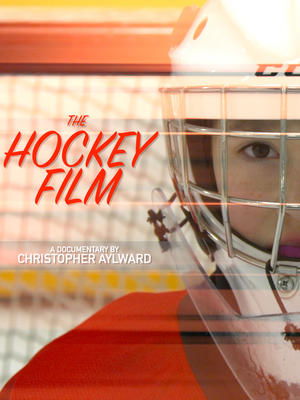
A harsh winter in Canada’s Muskoka, where players face sub-zero temperatures, contrasts with New Zealand, where hockey is just starting to take root. Yet, between these two far-apart nations, there’s one thing they share: a deep love for the game of hockey.
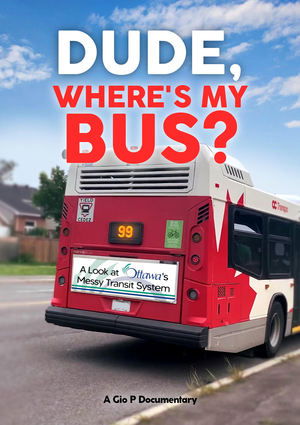
Filmmaker Gio Petti takes an in-depth look at the city's troublesome transit system in his documentary, Dude, Where's My Bus?. His nearly 2 year-long independent investigation delves into the frustrations of daily commuters in Ottawa and more deeply explores the systemic issues plaguing OC Transpo and their effects on the community. Beginning in the South End Suburbs of Ottawa, Dude, Where's My Bus? peels back layers leading to a broader investigation into issues plaguing the once model transit system. From late buses in neglected areas of the city, sprawl and the greenbelt, to the ever more controversial Confederation Line and the P3 system that built it, Petti aims to explore the impact of policy missteps and broken promises on Ottawa's transit users, with an optimistic look to the future.