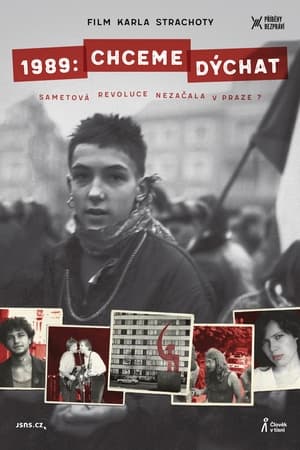
During the so-called normalization period, Teplice, once a beautiful spa town nicknamed "Little Paris," is devastated, much like the entire northwestern industrial border region. It is often shrouded in dense smog, making visibility limited to just a few meters. Teplice is also a stronghold of a specific punk subculture and a city of exceptional alternative culture. The story of Pavel and Renata primarily unfolds in Teplice. They aspire to live freely, in accordance with their ideals. However, their lives are consistently disrupted by the repressive communist regime.
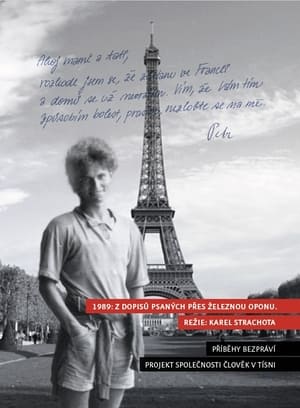
An original film testimony about the time 30 years ago. Peter Kořínek is 21 years old, hailing from Pardubice. He listens to underground bands, reads samizdat books, and faces school troubles due to his long hair. He dreams of emigration. It is the beginning of 1989, and there is no indication that he will experience freedom in communist Czechoslovakia.
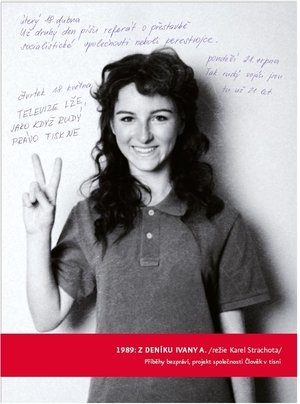
The film is based on the authentic diary of eighteen-year-old Ivana A., who, with her unique perspective as a high school student, reflects on the last year of the existence of communist Czechoslovakia.
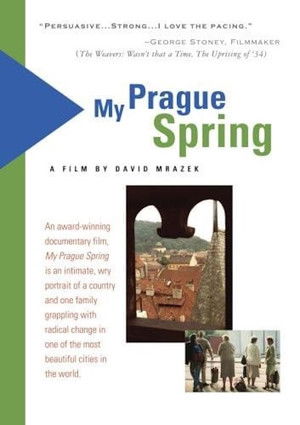
In its "velvet revolution" of 1989, the people of Czechoslovakia toppled its communist dictatorship and embraced democracy and capitalism. By January 1993, the country had peacefully split in two. In the early 1990s, thousands of American college graduates began flocking to Prague, where they could postpone entering the "real world," and live cheaply in a beautiful undiscovered European city. Throughout that decade more and more tourists crossed the statue-lined Charles Bridge in search of old world beauty previously hidden by communist isolation. But what of the people who cross the Charles Bridge on their way to work every morning? Who are the Czechs? What is their history? What is their future? My Prague Spring is an award-winning film that vividly humanizes a resilient people who have survived a tumultuous history. In the spring of 1990, a Czech-American filmmaker spent four months living with his Czech relatives, and opened an intimate window into an uncertain world.
Něžná revoluce
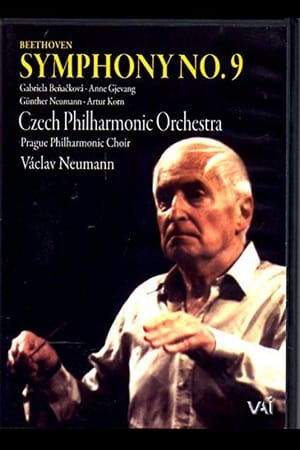
Václav Neumann leads the Czech Philharmonic Orchestra and Prague Philharmonic Choir, with soloists Gabriela Be?a?ková, Anne Gjevang, Günther Neumann, and Arthur Korn. This historic concert of December 14, 1989, given in support of the “Velvet Revolution” in Czechoslovakia, was attended by many prominent personalities, including Václav Havel, just weeks before he became the President of Czechoslovakia (later, the Czech Republic).
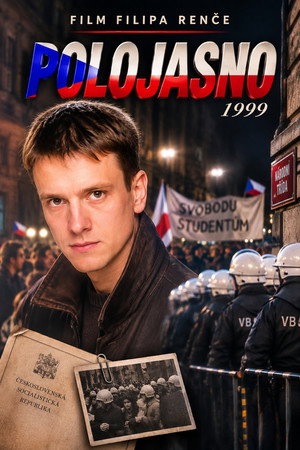
Polojasno
Documentary profile of Stanley Baxter featuring his first in-depth interview for forty years and extracts from his comedy series and specials. With contributions from Billy Connolly, Robbie Coltrane, Stephen Fry and Clive James.
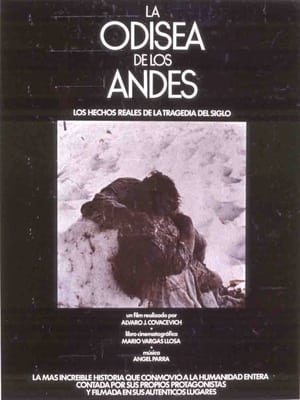
A documentary revolving around the 1972 crash of the plane carrying an Uruguayan rugby team; interviews with survivors and the families of victims.
In this program, created for the Criterion Collection in 2022, writer-director Andrew Stanton explores the films that inspired his approach to cinematic language in WALL·E.
This masterclass featuring writer-director Andrew Stanton was produced for the Criterion Collection in 2022.
Chelli Look, an artist specializing in handbags, experiences overwhelming grief after the murder of her sister by her brother-in-law. In the years that follow, Chelli’s journey towards healing forces her to rediscover who she is as an artist, leading to an unexpected revelation that takes her in a new direction.
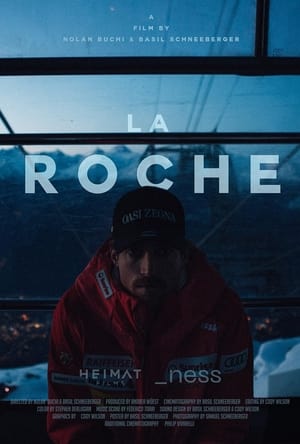
The ascend and mental battle of Marc Rochat into the elite world of Slalom skiing.
The film takes place in the desolate Kazakh steppe, on the grounds of a former nuclear testing site, where two ecologists conduct research to identify radioactive areas unfit for habitation. Nearby, an eyewitness to the nuclear tests writes down his personal memories, while his son struggles to save his sick daughter. Through the intimate story of three generations of one family, the film reflects on humanity's collective history and the dire situation facing our future. The steppe serves as a metaphor for our planet, now perilously close to becoming a vast nuclear wasteland.
Deja Vu (2025) is a documentary by Indian filmmaker Bedabrata Pain that draws parallels between the corporatization of the American farming industry in the 1980s and similar agricultural market reforms in India
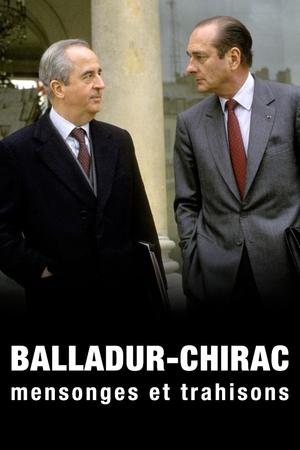
Balladur-Chirac, mensonges et trahisons
独自等待
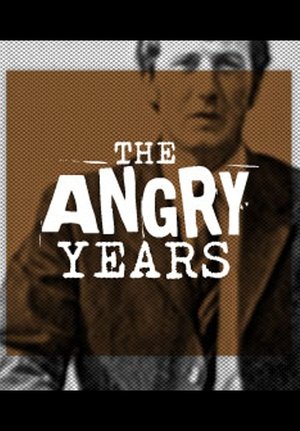
1970 marked the start of a bombing campaign by British urban guerrilla revolutionaries The Angry Brigade. Their targets, a bizarre mix, included the Miss World contest, Ford’s motor factory, the home of a conservative cabinet minister and the Biba department store. Following a two year hunt by the newly formed Special Branch, eight suspects were arrested, and following the longest trial in British criminal history, four young graduates were convicted of the bombings. The Angry Years tells the little known story of the Angry Brigade - contributors include Jake Prescott, ex Angry Brigade member, the journalist Paul Foot and the Special Branch detective credited with tracking the Angry Brigade down.
Die Vertrauensfrage: Wer kann Deutschland regieren?
Filmmaker Alain Resnais documents the atrocities behind the walls of Hitler's concentration camps.