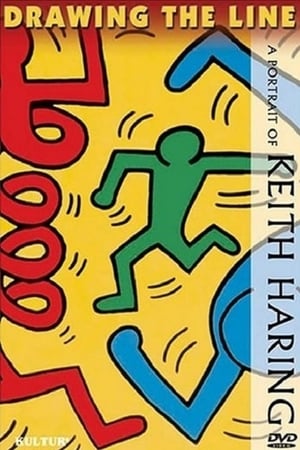
Short documentary about artist Keith Haring, detailing his involvement in the New York City graffiti subculture, his opening of the Pop Shop, and the social commentary present in his paintings and drawings.
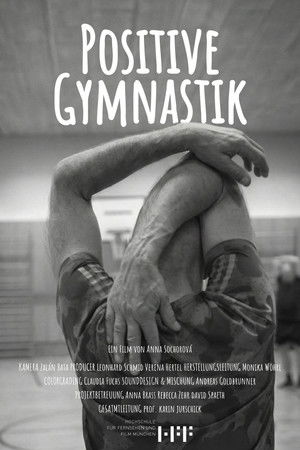
Positive Gymnastik
Using diary excerpts, photographs and memories from companions, the film paints the portrait of the artist Jürgen Baldiga who sensitively and authentically captured the West Berlin queer scene of the 1980s and early 1990s with his camera.
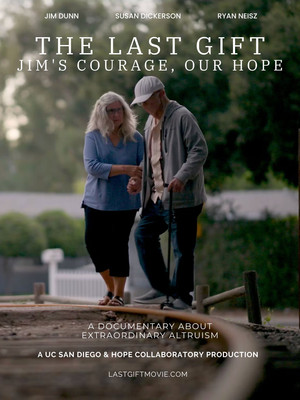
The Last Gift: Jim’s Courage, Our Hope is a moving short documentary exploring the intersection of science, altruism, and human dignity at the end of life. The film follows Jim Dunn, a man living with HIV who chooses to participate in UC San Diego’s Last Gift Study, a pioneering research effort enabling people nearing death to donate their bodies to science immediately after passing, helping researchers uncover where HIV persists despite treatment. Through intimate conversations, reflections on mortality, and moments shared with his wife Susan, clinicians, advocates, and scientists, the film reveals Jim’s profound desire to contribute to a future free of HIV. With honesty and grace, it captures the emotional complexity of end-of-life decisions and the extraordinary courage behind them. Jim’s legacy reminds us that scientific progress is built not only on data, but on human generosity, relationships, and hope.
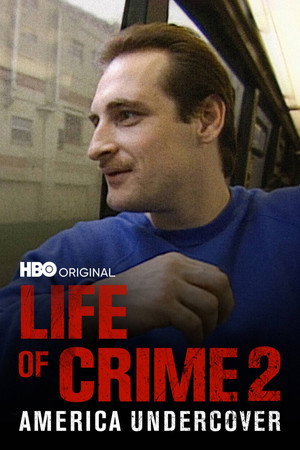
This follow-up to the 1989 documentary ONE YEAR IN A LIFE OF CRIME revisits three of the original subjects in New Jersey during a five-year period in the 1990s. We share in their triumphs and setbacks as they navigate lives of poverty, drug abuse, AIDS, and petty crime.
This powerful documentary explores the intersection of two crises — war and the HIV epidemic. The film follows HIV-positive Ukrainian activist Yana Panfilova as she joins “Through Positive Eyes,” a global photo-storytelling project. The film looks to the resilience of a new generation, navigating survival and community through art and activism.
The film provides information about the course and symptoms of AIDS, the effect of AIDS viruses on the immune system, the routes of infection, the main risks of infection and the protective measures against them.
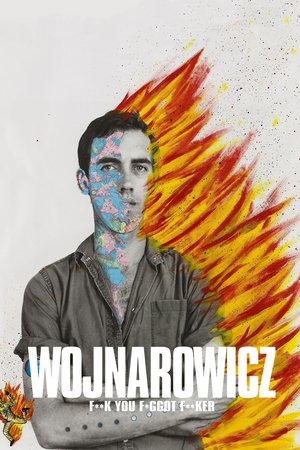
A collage-like, incisive look at the life of writer, painter and thinker David Wojnarowicz, whose powerful, unapologetic way of seeing the world gave voice to queer rights at a critical time in US history.
Seminal documentary featuring interviews conducted with early AIDS patients at San Francisco General Hospital's wards 67 and 5B in 1983. Friends, family, health care workers, and caregivers contribute to the narrative as a generation of brave, young men face a terrifying disease with grace, humor, and dignity.
Fictionalized documentary about the history of HIV/AIDS in Argentina from its inception up until 2006.
Documents the lives of a number of San Franciscans living with AIDS/ARC who have tried to face society's terror and paranoia. Shows the efforts of friends and families of AIDS victims who steadfastly support their loved ones, the efforts of the Shanti Project to provide physical and psychological services to AIDS/ARC victims, and the personal efforts of Bobby Reynolds who has confronted society's fears through his writings and speeches.
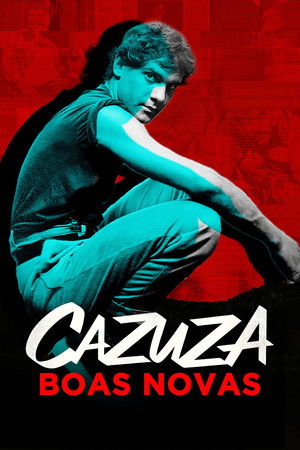
It explores the last two years of Brazilian singer Cazuza's life, from his AIDS diagnosis until his death. Nilo Romero, Cazuza's music producer and the film's director, created a collection of rarely seen and controversial images.
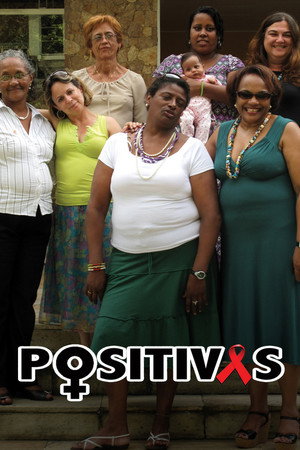
The film presents the experiences of women who contracted the AIDS virus from their husbands or steady partners, and highlights the main factors responsible for the feminisation of the disease in Brazil.
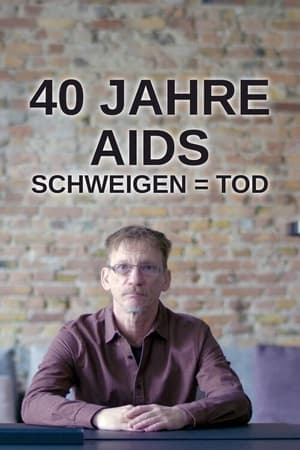
This is the story of death and survival, exclusion and hope told by those who lived through it. 40 years ago an HIV infection seemed like a death sentence.
Beat Goes On is an impressionistic portrait of the activist Keith Cylar (1958–2004), co-founder of Housing Works and a central figure in the AIDS Coalition To Unleash Power (ACT UP) NY. Cylar spoke clearly, frequently and with moral force about the struggles of people living with HIV/AIDS in New York City, many of whom were impoverished and struggling with multiple social and medical problems. His openness about his own drug use and the centrality of the fight against the criminalization of drugs for AIDS activism make Cylar's legacy especially resonant and relevant at this time. Commissioned by Visual AIDS in 2019 as part of STILL BEGINNING, a program of seven short videos responding to the ongoing HIV/AIDS epidemic.
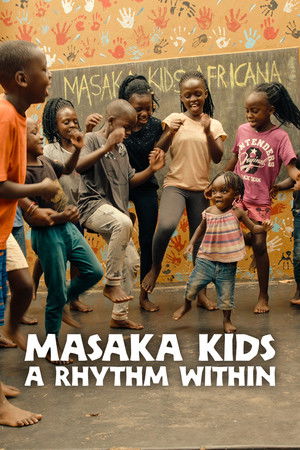
The story behind the Uganda-based YouTube dance sensations who have endured devastating personal loss from famine and war, and use the power of dance and song to overcome hardship.
"GENERAL IDEA: Art, AIDS and the fin de siècle is a humorous, informative and ultimately poignant documentary about General Idea. Formed in 1969, they produced art that targeted and mimicked media, consumerism and celebrity, creating a revolutionary new spirit of art making. Interviews with AA Bronson, the sole survivor of the trio, lends personal relevancy to this story of art and sexual politics. GENERAL IDEA: Art, AIDS and the fin de siècle is a tale of love, fame, overwhelming loss and, ultimately, renewal." -AGO.net
Linda and Kenya narrate their testimony about being women and living with HIV in a time where stigma, negligence and androcentricity force them to start an activism that is still present in their community.
Learning can be fun! This package of woman-to-woman safer sex videos features a spicy batch of public service announcements (PSAs) and an international sampling of smart and sexy erotic videos, including Girls Will Be Boys, a drag king date where they skip dinner and a movie; and the silent horror spoof, Cunt Dykula. She's Safe! also features excerpts from Well Sexy Women, the first British-produced lesbian sate sex video; and excerpts from the bold, German-produced Truth or Dare. She's Safe! contains the hottest and most educational safe sex videos ever compiled.
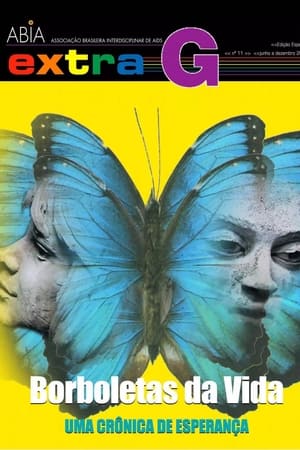
A film that exposes the reality of young homosexuals who live in the outskirts of Rio de Janeiro, suffer the effects of poverty and misery, but do not lose their identity, dignity and creativity. They are homosexuals, transformers, butterflies of Brazilian real life.... They experience the possibilities and the limits of gender and sexuality, face discrimination with their heads held high, with courage, and determination... They fight for the right to be different and demand, in many ways, that their difference be respected.