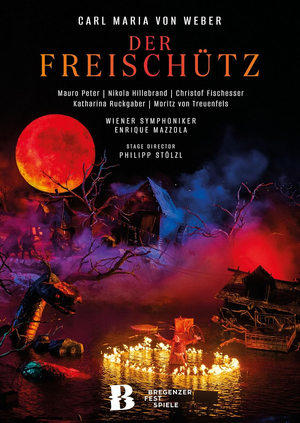
A godforsaken village in Germany shortly after the Thirty Years’ War: The young scrivener Max loves Agathe, daughter of the head forester Kuno. But to marry her, the inexperienced marksman Max must participate in an archaic tradition and score in a shooting trial – an unfulfillable challenge for him. The dubious war veteran Kaspar knows about this. He convinces the scrivener to meet him at Wolf’s Glen at midnight to forge “free bullets” that never miss their target. Max, who does not see any other way out of his unfortunate situation, sells his soul to the devil. Not knowing about the catch behind this deal: while six of the cursed bullets will hit the desired target, the seventh lies in the devil’s hands.
Finding the right librettos was not easy, but one month after the end of the First World War, his triptych – the grim tragedy Il tabarro, the lyrical and sensitive Suor Angelica, and the comedy Gianni Schicchi – premiered in New York. Three different eras, three different settings, three different ‘colours’; though for Puccini, it is through the contrasts between them that the unity of the work is revealed. For his second time directing at La Monnaie, Tobias Kratzer preserves the original order of the pieces, while weaving them together to form a narrative whole, like a circle with no end. With a cast of artists from the extended La Monnaie family, Alain Altinoglu is the ideal conductor to meet the daunting challenges posed by this triptych.
Lékař a lékárník
Fraška o kádi
Turek v Itálii
Part of the celebrations for the 150th anniversary of the death of the Pesaro composer, Il Barbiere di Siviglia staged in Lugano, is the result of a virtuous collaboration that involved Swiss Radio and Television, LuganoInScena and LuganoMusica. The musical part was entrusted to Maestro Diego Fasolis who, together with his Barocchisti ensemble, was involved in the project from the very beginning. Internationally renowned soloists such as Edgardo Rocha (who embodies the Count of Almaviva), Riccardo Novaro (Bartolo), Lucia Cirillo (Rosina), Giorgio Caoduro (Figaro), Ugo Guagliardo (Basilio) and Alessandra Palomba (Berta) performed on stage.
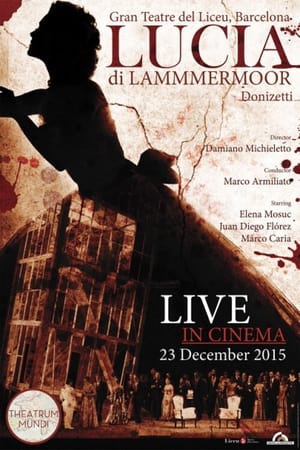
Lucia di Lammermoor, dramma tragico in three acts by Gaetano Donizetti (1797 - 1848). Libretto by Salvadore Cammarano, after Walter Scott's 'The Bride of Lammermoor'. First performance in Naples, Teatro San Carlo, 26 September 1835 Recording: December 23 2015 - Gran Teatre del Liceu | Barcelona Director: Fabrice Castanier Conductor: Marco Armiliato Orchestra & Chorus of the Gran Teatre del Liceu
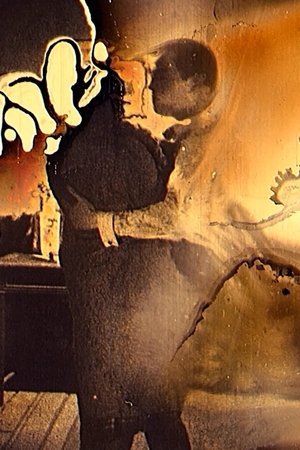
Bill Morrison’s experimental short features decayed film reels from the lost, German silent film Pawns of Passion (1928).
Riccardo Chailly inaugurates the 2024-2025 Opera Season with a new production of La forza del destino, conducting his ninth Verdi title at La Scala. Leo Muscato will direct yet another cast of extraordinary prestige. A complex opera in terms of dramaturgy, first performed in St. Petersburg in 1862 and debuting in its final form at La Scala in 1869 with the creation of the famous overture, La forza del destino offers some of the most memorable Verdi melodies. It has been absent from the programme since the Verdi centennial in 2001, when it was brought to La Scala by the artists of the Mariinsky Theatre of St. Petersburg; the La Scala Orchestra and Choir have not performed it since 1999.
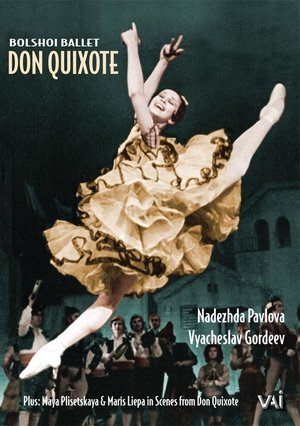
Product Description ••••• A complete 1978 performance of this classic ballet stars the magnificent Nadezhda Pavlova and Vyacheslav Gordeev; the Bolshoi Theatre Orchestra is conducted by Alexander Kopilov. DVD Bonus: Scenes from Don Quixote filmed at the Bolshoi in 1964 and starring the legendary dancers Maya Plisetskaya and Maris Liepa; Bolshoi Orchestra conducted by Youri Fayer.
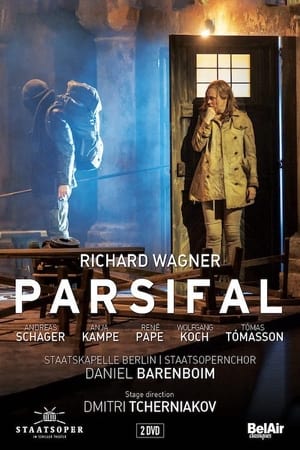
Wagner’s mystic masterpiece Parsifal at the Staatsoper Berlin, staged by Dmitri Tcherniakov and conducted by Daniel Barenboim. Wagner’s last opera, Parsifal is a medieval epic story marked by Christian, Buddhist and esoteric references. It is about redemption and renewal, but this new production by Russian director Dmitri Tcherniakov adds a jarring note : revenge. This “Festival Play for the Consecration of the Stage” is similar to a Medieval epic, a blend of metaphysical dreams and esoteric battles with constant spiritual references. This new production is directed by Dmitri Tcherniakov, conducted by Daniel Barenboim and sung by an international cast of excellent singers: Andreas Schager, Anja Kampe, Wolfgang Koch, René Pape, Tomas Tómasson and Matthias Hölle.
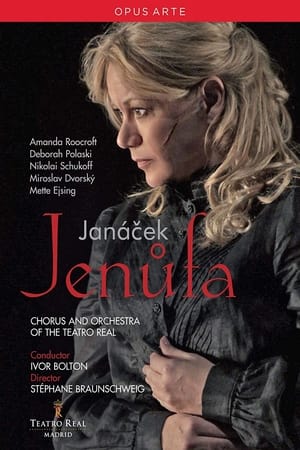
"Yenufa" is an outstanding phenomenon in the music of the 20th century. Drawing on Moravian folklore, Janáček faithfully and deeply conveyed the drama of a peasant girl. The composer followed the path of Mussorgsky, revealing the spiritual life of people through the recreation of intonations of living speech. The libretto is based on a drama written in a naturalistic manner. Free from naturalism, Janáček's music has powerful emotional strength and psychological truth. It was written during a difficult period in the composer's life (illness and death of his daughter).
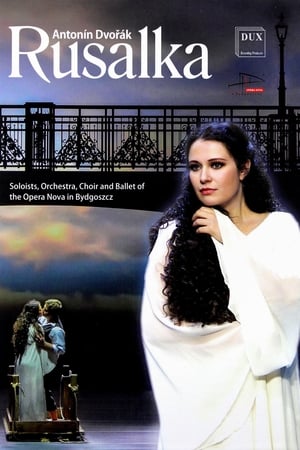
Rusalka
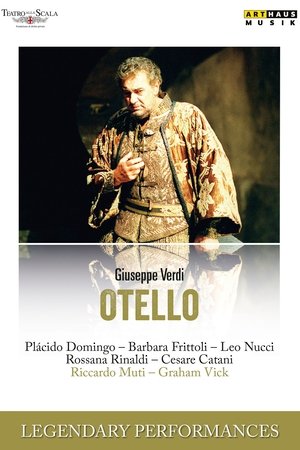
This was Domingo's last set of performances as Otello in La Scala. In spite of his relatively advanced age, he is still in excellent form, both vocally and in terms of stage presence. Nucci is also his usual self, delivering a performance of very high standard. Barbara Frittoli is an excellent Desdemona, in good voice and gives a very moving performance. Muti conducts with great emotion and tight accuracy, conveying the full orchestral drama of the score.
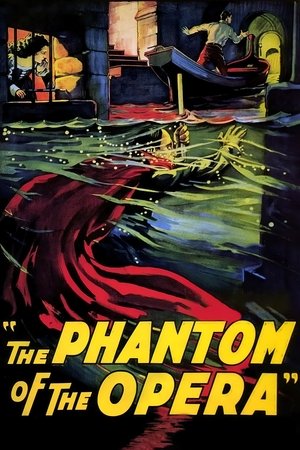
The deformed Phantom who haunts the Paris Opera House causes murder and mayhem in an attempt to make the woman he loves a star.
A version of Benjamin Britten's opera based on the Melville story. Will the virtuous young sailor Billy Budd be hanged for murder?
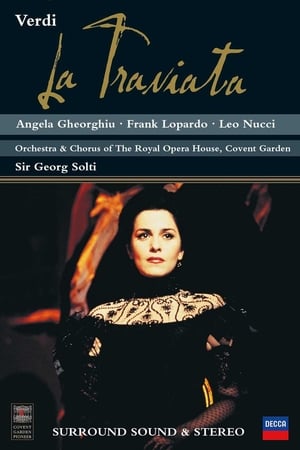
La traviata (Italian: [la traˈviaːta], "The Fallen Woman"[1][2]) is an opera in three acts by Giuseppe Verdi set to an Italian libretto by Francesco Maria Piave. It is based on La dame aux Camélias (1852), a play adapted from the novel by Alexandre Dumas, fils. The opera was originally entitled Violetta, after the main character. It was first performed on 6 March 1853 at the La Fenice opera house in Venice. Piave and Verdi wanted to follow Dumas in giving the opera a contemporary setting, but the authorities at La Fenice insisted that it be set in the past, "c. 1700". It was not until the 1880s that the composer and librettist's original wishes were carried out and "realistic" productions were staged.[3]
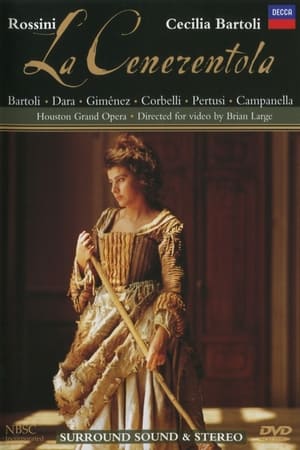
La Cenerentola, ossia La bontà in trionfo (Cinderella, or Goodness Triumphant) is an operatic dramma giocoso in two acts by Gioachino Rossini. The libretto was written by Jacopo Ferretti, based on the fairy tale Cendrillon by Charles Perrault. The opera was first performed in Rome's Teatro Valle on 25 January 1817.---- IMDB id refers to Great Performances: Season 24, Episode 12 La Cenerentola (3 Apr. 1996) from Houston Grand Opera so release date is misleading.
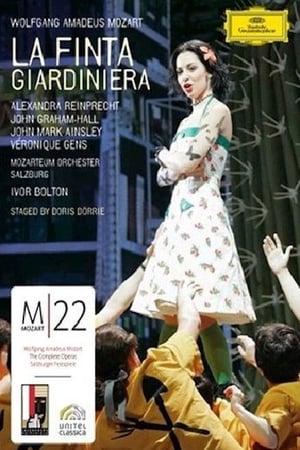
Part of an epoch-making release of Mozart's complete operas on DVD, here is the 18-year old composer's first mature opera buffa. Hilarity mingles with passionate emotions when belfiore believes he has killed his lover in a fit of jealousy, but then encounters her disguised as gardener sandrina. Famed filmmaker Doris Dorie directs a superb young cast in this tale of love, hate and intrigue across class barriers, all vividly depicted by Mozart's astonishingly rich and varied music.
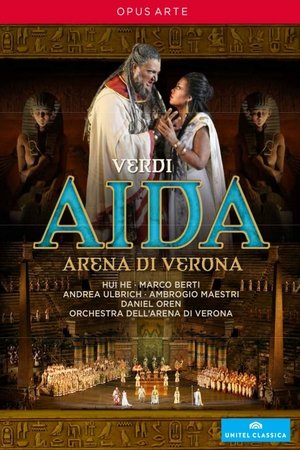
The grand scale and magnificent acoustics of the Roman arena in Verona are ideally suited to the pageantry of Verdi's Egyptian opera, presented here in a staging that is true to the original 1913 production, framed by obelisks and sphinxes and filled with chorus and dancers. Chinese soprano Hui He has won international acclaim for her portrayal of the eponymous slave girl whose forbidden love for the war hero Radamés (Marco Berti, the experienced Verdi tenor) brings death to them both.