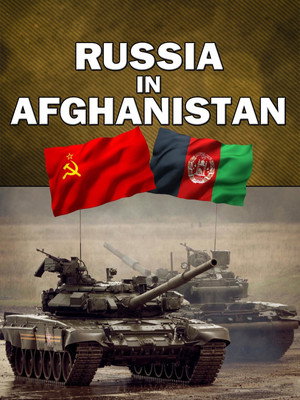
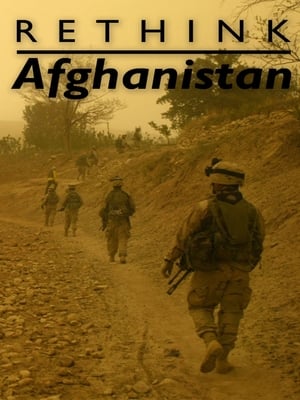
In 1979, the Soviets had ill-suited uniforms and inferior fighting tactics, and found it impossible to defeat the popular Afghan guerrilla army. They had underestimated their enemy and lacked the forces to win.
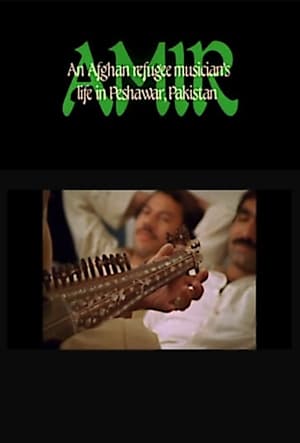
Amir, shot during the height of the Afghan civil war in the 1980s, investigates and portrays the life of Afghan refugees living in and around the city of Peshawar in northern Pakistan through the experiences of the musician Amir. The aspirations of Afghan refugees are expressed through their political songs dealing with the civil war in Afghanistan, with exile, with Afghan nationalism and with the Islamic revolution. In highly charged and tragic circumstances, music can be used in very direct ways, both to promote solidarity and as an agent of catharsis.
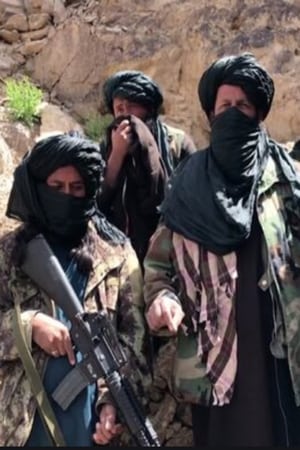
"Inside the Talibans" - What will happen if the Talibans return to power? Swedish journalist Magda Gad travels the Herat and Wardak provinces of Afghanistan to meet with the Taliban fighters.
The mission: Capture US and NATO forces on camera giving food, water, clothing, blankets, and medical supplies to widows and orphans in refugee camps and villages of Afghanistan.
Jung is a narrative documentary that follows the human and professional adventure of its protagonists, the Afghan people in the midst of civil war.
This documentary offered tantalizing glimpses of Afghanistan, which in 1929 was still one of the few heavily-populated areas in the world where the residents continued to live as they did in the Middle Ages. A progressive new leader named Amnullah tries to "Westernize" the country, meeting plenty of resistance from native reactionaries.
Five Afghan men try to reach Europe. The filmmakers followed them for over six months, filming their clandestine journey and chronicling a migration combining fantasy and stark reality, setbacks and achievements, in the midst of the dangers of such trips.
Abby Martin covers the whole truth about the Afghanistan War. Two decades, three administrations, tens of thousands of lives.
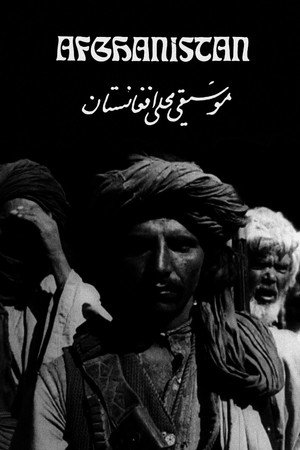
This film is a glimpse of the traditional life of the Afghan people, their culture and their music, just before the Russian intervention in 1979.
This film creates a real-life epic of boyhood and manhood that follows the same individual over 20 years, living in one of the most dangerous countries in the world. When we first meet Mir, he is a mischievous boy of seven living in a cave in central Afghanistan alongside the Buddhas of Bamiyan, two statues that were recently destroyed. For two decades, the film follows the adventures of his life, until, as an adult with a family of his own, he decides to pursue his own career as a news cameraman in Kabul. More than just a personal journey, My Childhood, My Country is an powerful examination of what has – and has not – been achieved in Afghanistan over the past 20 years.
Annie Goldson and Kay Ellmers’ doco, expanded from the film they made for Maori Television, takes a timely look at New Zealand’s military and media, notably journalist Jon Stephenson, in Afghanistan.
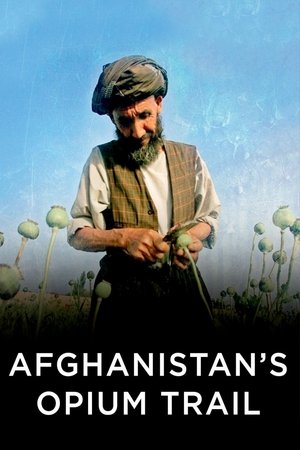
Over 90% of the world's opium now comes from Afghanistan. In this shocking new film, we ride the drugs caravan, from cultivation, to process, to market. On route, we lift the curtain on the hidden world of the drug barons; learn how to process heroin in the crudest of laboratories and encounter deadly gunfights on the Iranian border.
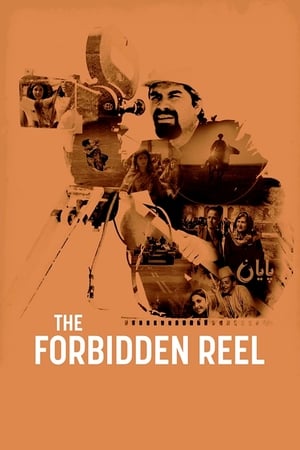
According to the official history of Afghanistan, ruthless destruction has always prevailed over art and creation; but there is another tale to be told, the forgotten account of a diverse and progressive country, seen through the lens of innovative filmmakers, a story that survives thanks to a few brave Afghans, a small but very passionate group that secretly fought to save a huge film archive that was constantly menaced by war and religious fanaticism.
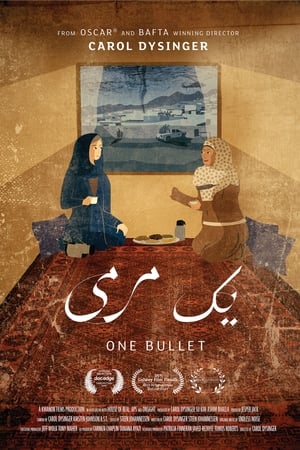
An Afghan mother and a US filmmaker, connected through one stray bullet, forge a surprising friendship amidst America's longest war.
A portrait of an unforgettable transgender schoolteacher in Herat, Afghanistan, who shines even with the prospect of the Taliban’s return.
Filmmaker Robert Greenwald (Outfoxed) carefully examines the war in Afghanistan, raising challenging questions about the destabilization of Pakistan, U.S. troop escalation, ballooning military costs, civilian casualties and much more. Through fascinating interviews with Afghans, veterans, reporters, ex-CIA agents and foreign-policy experts, Greenwald's incisive documentary urges an immediate de-escalation of the conflict.
In March 2001, the ruling Taliban destroyed Afghanistan's foremost tourist attraction, the 1600 year-old Buddhas of Bamiyan. This film follows the story of one of the refugees who now lives among the ruins….an eight-year-old boy named Mir.
When NATO troops withdrew from Afghanistan, the Afghan National Army (ANA) took over control of Helmand Province, an extremely dangerous region where attacks by Taliban fighters are the order of the day. Security, much less peace, would seem to be unattainable; it is even difficult to find a common language in a country where everyone mistrusts each other. The directors of this film accompanied an ANA company during a year of frontline duty in Helmand. The soldiers are paid irregularly, there are not enough supplies and their equipment is substandard. They cannot fight a war with the equipment left behind by the ISAF.
Surviving Afghanistan
This documentary produced in 1973 is a remarkable document on traditional Islamic culture in Afghanistan before the country met with the disasters of ideological struggles and civil war. To a Muslim sensibility, its importance goes much further. It is an objective and respectful testimony to the profound, essential aspects of the spiritual culture of Islam, captured by a Western filmmaker.