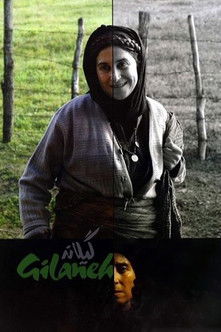
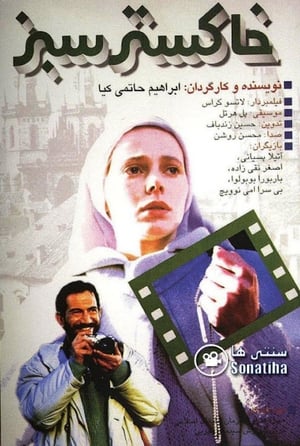
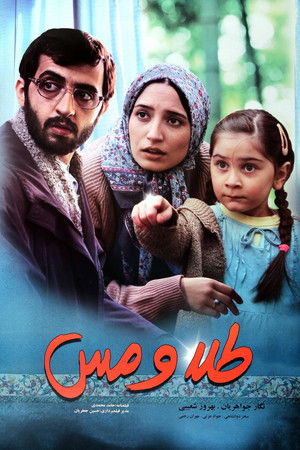
In 1986 Iran, Sahebjam, whose car breaks down in a remote village, enters into a conversation with Zahra, who relays to him the story about her niece, Soraya, whose arranged marriage to an abusive tyrant ended in tragedy.
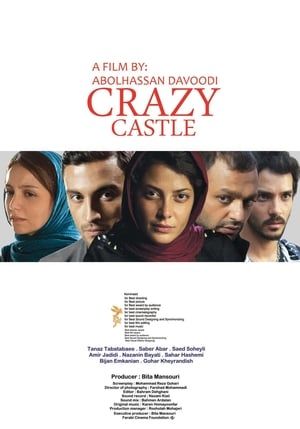
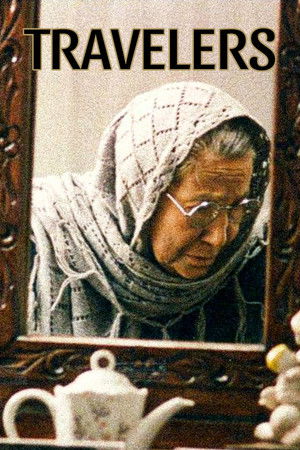
Award-winning Iranian filmmaker Rakshan Banietemad ends her eight-year hiatus from feature filmmaking with this ingenious, mosaic-like narrative, which knits together the stories of seven characters to create a microcosm of Iranian working-class society.
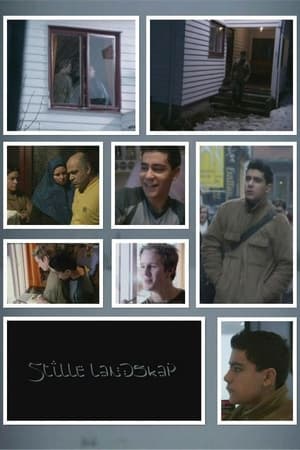
Jalil is 17-year-old boy living with his Iranian family in a suburb near Helsinki. Though he has lived in Finland all his life, it seems hard for him to find acceptance among the "native" Finns. At home he faces the opposite problem. His parents demand him to respect Iranian cultural traditions. Jalil is about one day in the life of a boy standing on the edge of two cultures. On this summer day big things are bound to culminate; religion, identity, love.
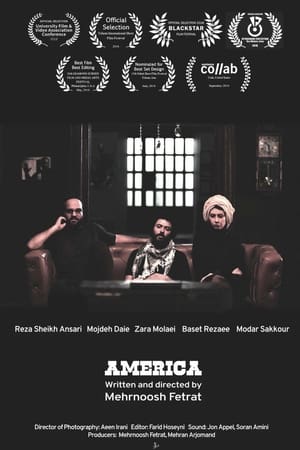
An Iranian journalist couple wants to move to America to escape the difficulties of their country. The woman receives her visa but her husband doesn't. He stays in Iran and watches his wife find success on television and falls into a state of depression.
A young toymaker tries to make sense of the impermanence of life that he has been forced to acknowledge through experiences of separation and death.
An Iranian Film
After having medical problems, and after a long time, Mina becomes pregnant, but she feels ignored by her husband, Hesam. Since he has become concerned and involved with the personal and family problems of his colleague Shirin, who has recently divorced from her husband...
An Iranian film.
An Iranian film
Famed actress Susan Taslimi plays three roles here: Kian, who doubts her identity; Vida, the twin sister, a self-assured artist; and their mother, who gives up one child out of fear of poverty, then deprives the other of affection because she deeply regrets the child whom she has abandoned.
A 15-year-old Somalian boy meets a 40-year-old Iranian man in a refugee camp in Skåne, in the south of Sweden. With the threat of deportation hanging over them, they decide to take their faiths in their own hands and together they go on a journey in the Swedish summer.
When Mahi's son dies in a car accident, Behrouz who has returned to Iran to sell his properties, attends the funeral. Their old romance catches up while Behrouz has planned to marry Sara and go back to Canada with her.
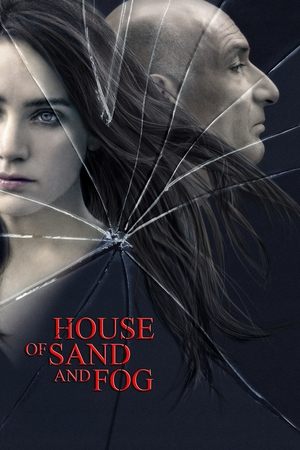
Behrani, an Iranian immigrant buys a California bungalow, thinking he can fix it up, sell it again, and make enough money to send his son to college. However, the house is the legal property of former drug addict Kathy. After losing the house in an unfair legal dispute with the county, she is left with nowhere to go. Wanting her house back, she hires a lawyer and befriends a police officer. Neither Kathy nor Behrani have broken the law, so they find themselves involved in a difficult moral dilemma.
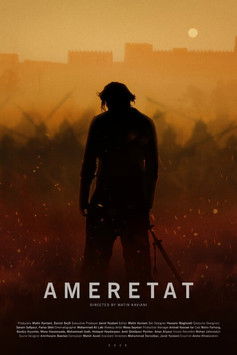
Bahram Beyzai's poetic imagining of the circumstances that led to the death of Yazdgerd III, the last of the Sassanid kings of Iran. His death in 651, during the Arab invasions that brought Islam to this Zoroastrian realm, was mysterious: his corpse was discovered in a mill, but the cause of his death—and the whereabouts of his remains—are unknown.
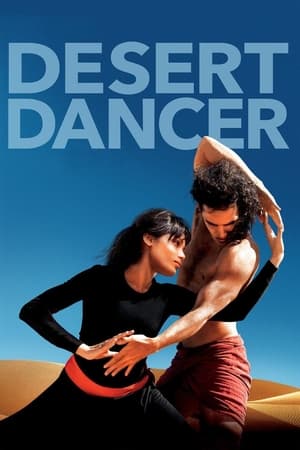
Inspirational true story of Iranian dancer Afshin Ghaffarian, who risked his life for his dream to become a dancer despite a nationwide dancing ban.
Parvis, the son of exiled Iranians, copes with life in his small hometown by indulging himself with pop culture, Grindr dates, and raves. After being caught shoplifting, he is sentenced to community service at a refugee shelter where he meets siblings Banafshe and Amon, who have fled Iran. As a romantic attraction between Parvis and Amon grows, the fragile relationship between the three is put to a test.
A Tehran mullah-in-training struggles to take care of his ailing wife and their children in this profoundly moving melodrama. A film of near-universal appeal, it puts a human face on Iran's Muslim clergy with its unusual tale of a man forced by hardship to become a better husband and father. Seyed Reza has just moved with his family to Tehran so he can study the Koran, and he relies on his lovely wife Zahra to look after their two young children and weave the intricate rugs that earn them a living. But one evening Zahra collapses and is taken to the hospital, where she's diagnosed with multiple sclerosis. Scarcely able to process the tragedy, Seyed is left to cook, change diapers, walk his daughter to school and take his toddler son with him to his classes, where peers and elders treat him with scorn. But Seyed eventually learns to cope, his prayers and devotional studies taking on deeper meaning as he attends to the hard nightly work of rug weaving, getting through with a heavy ...
Yahya is a middle-aged man who lives in a small town, a place where he can hide and forget his past, connected to the repression in Iran. One day, his son Nima leaves the house and disappears. Gradually, he distanced himself from Marta, his lover, and sought refuge alone. So, the police department calls and informs that a body that cannot be identified has been found, and Yahya is convinced that his son ran away because he found out his secret. To find him, Yahya will have to face his memories.
THE BRIGHT DAY weaves a story that has its roots in the complexity of Iran’s draconian laws governing capital punishment. A kindergarten teacher hopes to aid the father of one of her young students, a man accused of manslaughter, by convincing each of seven reluctant witnesses to come forward. No one lacks a hidden agenda in this drama in which shades of truth collide with self-interest and the specter of payback. (Gene Siskel Film Center)
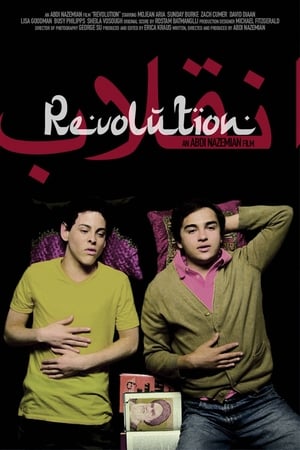
A coming-of-age story about Jack, a 16-year old Iranian boy growing up in 1989 Los Angeles. With the 1979 Iranian Revolution a distant memory, the AIDS movement as a backdrop, and a haunting score by Vampire Weekend's Rostam Batmanglij, Jack learns how to stage his own much smaller revolution within the confines of his traditional family.