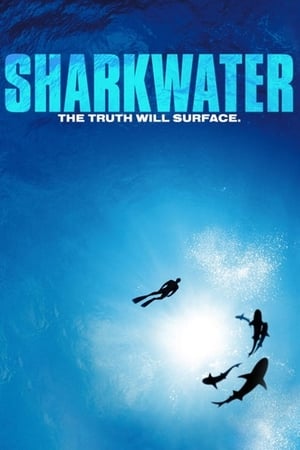
Driven by passion fed from a life-long fascination with sharks, Rob Stewart debunks historical stereotypes and media depictions of sharks as bloodthirsty, man-eating monsters and reveals the reality of sharks as pillars in the evolution of the seas.
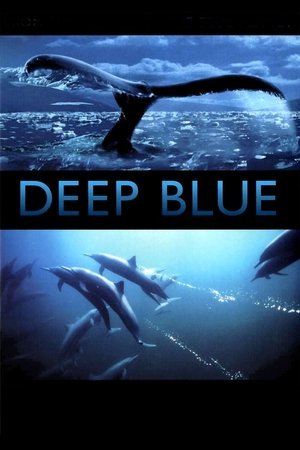
Deep Blue is a major documentary feature film shot by the BBC Natural History Unit. An epic cinematic rollercoaster ride for all ages, Deep Blue uses amazing footage to tell us the story of our oceans and the life they support.
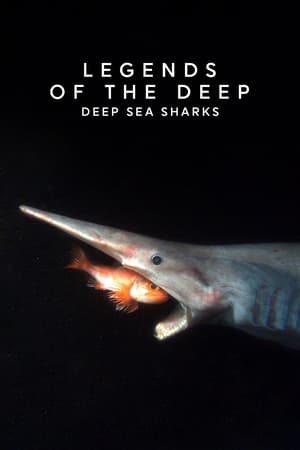
Groundbreaking documentary which follows a Japanese-led team of scientists as they attempt to shed light on the mysterious world of deep sea sharks. Only 50 specimens of the newly discovered 'megamouth' have ever been sighted. Over four years, scientists and film crews voyaged in midget submarines into the depths of Suruga Bay and Sagami Bay to film them. Prehistoric 'living fossil' sharks such as bluntnose sixgill sharks, goblin sharks and frilled sharks also lurk in the depths. As part of the investigation, a sperm whale carcass was placed at the bottom of the sea to attract these sharks, which were then studied and observed from the submersible vessels. Revealing in detail the previously unknown behaviour of deep sea sharks, the film unravels another of the intriguing mysteries of our planet's biodiversity.
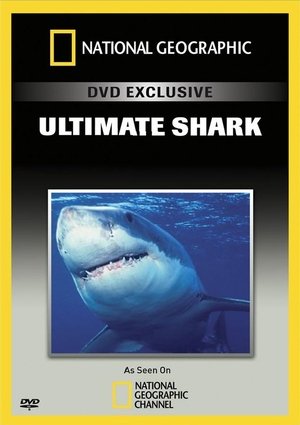
See the world's first MRI scan of a great white shark as Ultimate Shark reveals the extreme engineering and predatory abilities of one of nature's most near perfect predators. Hear firsthand accounts of people who survived harrowing encounters, including a surfer who was bitten on the arm and leg, towed by the surfboard ankle strap and miraculously escaped only with minor injuries. National Geographic demystifies the true motives and power behind their behavior.
Peter Gimbel and a team of photographers set out on an expedition to find and film, for the very first time, Carcharodon carcharias—the Great White Shark. The expedition lasted over nine months and took the team from Durban, South Africa, across the Indian Ocean, and finally to southern Australia.
This films reveals the extraordinary variety of life found in the vast blue expanses of the open ocean. Here, all the action takes place in a 10 metre deep band of water, just under the surface. Many species use this section of water to migrate and hunt while others use ingenious ways to stay hidden where there appears to be no shelter.
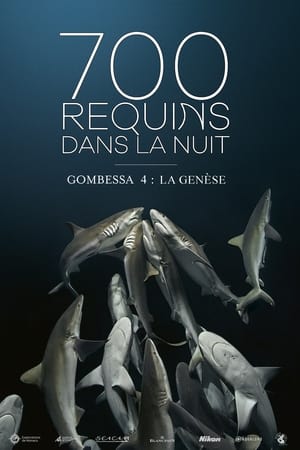
Originally, in 2014, Laurent Ballesta had just one precise objective: to unravel the mystery of groupers. To understand the issues involved in their collective reproduction. But although focused on the study of groupers, the real surprise came from the sharks. Never before had the team been confronted with such a density of grey reef sharks. The divers took up the challenge of counting them. Methodically, they repeated the operation many times to arrive at the impressive figure of 700 grey reef sharks. Each year, the team returned to the southern pass of Fakarava in French Polynesia. Until 2019, for the fourth expedition, "Gombessa 4" is the synthesis of precise and unique scientific protocols. The mission demonstrated that shark hunts are not anarchic, but rely in part on social organization within the horde, following in the footsteps of the 700 grey sharks in "700 sharks in the night (Gombessa 4, Genesis)".
Atlantis is filmmaker Luc Besson's celebration of the beauty and wonder of the world beneath the sea, expanding upon themes touched on in his film The Big Blue. Combining stunning underwater cinematography and a hypnotic score by Eric Serra, Besson's singular vision defies dialogue or narrative structure to explore ocean life as you've never seen it before. Following the colossal success of The Big Blue, Luc Besson crisscrossed the world's seas and oceans to film the beauty and diversity of marine life: from the giant octopuses of Vancouver to the manta rays of the Pacific (New Caledonia), and the grey sharks of Tahiti. A film with no actors or sets other than the underwater world. A breathtaking view of marine species: sharks, dolphins, manatees, octopuses. An exploration of the seabed in the Bahamas, the Galapagos, Vancouver, and Tahiti.
Wildlife filmmaker Dave Riggs has spent eleven years trying to find out who this super predator capable of eating a Great White is. Dave’s obsession to find the killer leads him to an oceanic battle zone that's remained hidden until now. Called the kill zone, orcas, colossal squids, and Great White Sharks face off in an underwater battle where only the fiercest creatures of the marine world survive.
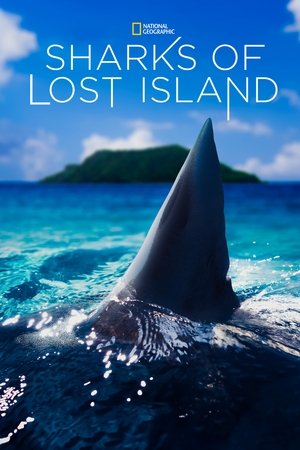
A team of explorers set out to explore the sea and land of the remote Pitcairn Islands
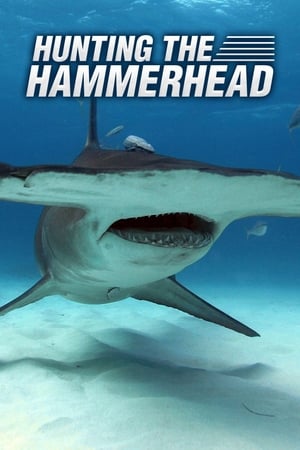
Hunting the Hammerhead
Imagine a beautiful day at sea, the magnificent waters allowing you to feel weightless and serene. And then you see it - the infamous single fin moving slowly in your direction. You panic...why? Man has always lived in fear of the shark because these predators represent for most, the epitome of evil and voraciousness. Ease your fears and join John Stoneman as he sets out to dispel many of the myths that surround the shark. But, don't get to comfortable. As John Stoneman will point out, there are certain species that must be feared.
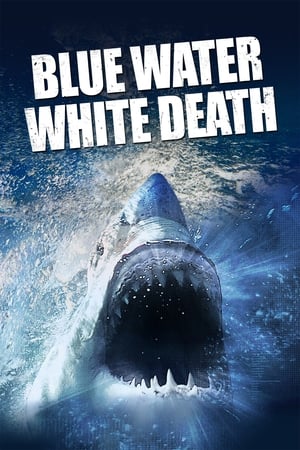
"Don't go in the Water." This line bred fear in millions of people around the world. In 1975, Jaws showcased the greatest eating machine, the great white shark, on the big scren and changed the swimming habits of movie-goers everywhere. By far the most feared creature in the sea, this species is responsible for more attacks on human beings that all other sharks combined. Step outside the Hollywood hype and travel to South Australia with an expedition as they attempt to increase understanding and reduce human/shark confrontations. Observe the behavior and lifestyle of the great white shark, and see these miracles of evolution up close in this unforgettable exploration under sea.
On a hot summer day, a young man from Philadelphia goes for an afternoon dip; when he is 40 feet from shore he gets attacked and dies; five days later, the Bell Captain at a popular beachside resort is also attacked.
Ever wondered what would happen if two of the world's largest animals went head to head in a battle? The Animal Face-Off series aims to find out. After expertly designed replicas of the animals are created to mirror exact areas of strength and weakness, the two cyber-creatures come together for a crucial showdown. In this episode, the hippopotamus and the bull shark duke it out for bragging rights within the animal kingdom.
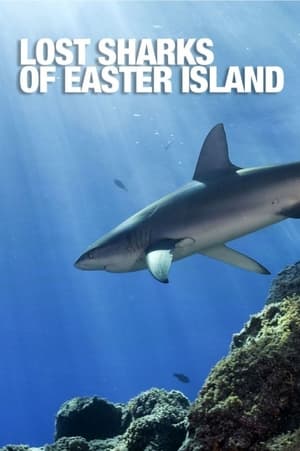
Enric Sala and his team begin their search for deep sea sharks on Easter Island.
Shark: Beneath the Surface
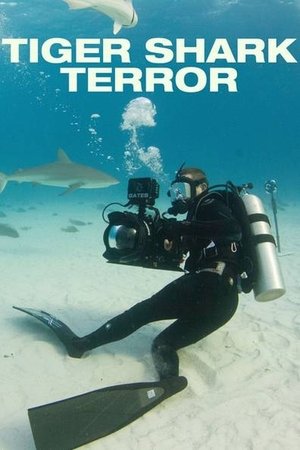
Tiger Shark Terror
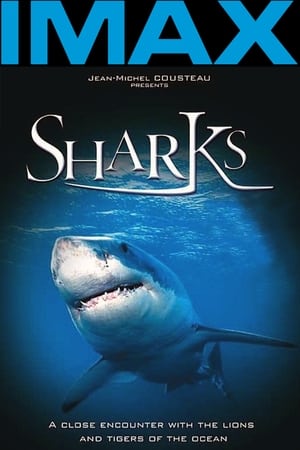
Jean-Michel Cousteau invites you to embark on a breathtaking underwater voyage to discover the ultimate predator: the shark. Experience an astonishing up-close encounter in 3D with the lions and tigers of the ocean.
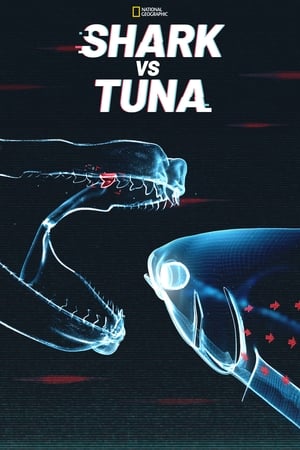
A clash of true oceanic titans sees fights in the remote battlefields of Ascension Island. Tuna are often faster, fitter and bigger than the sharks.