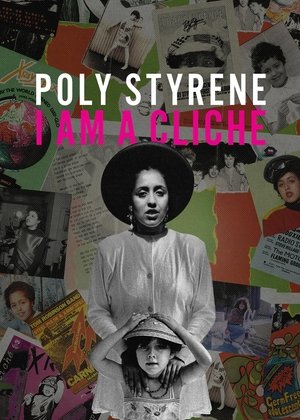
The death of punk icon and X-Ray Spex front-woman Poly Styrene sends her daughter on a journey through her mother's archives in this intimate documentary.
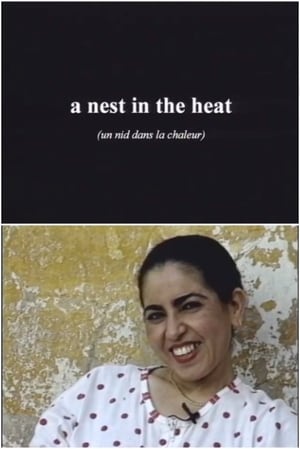
As director Hakim Belabbes chronicles his journey from his home in Chicago to visit his family in his hometown of Boujad in Morocco, his exploration of family relationships is self-conscious and at times painfully honest. We witness his most private moments with his family. The film intimately explores the domestic spaces and religious rituals of intra-family relationships, especially when compounded by one member's break with traditional values.
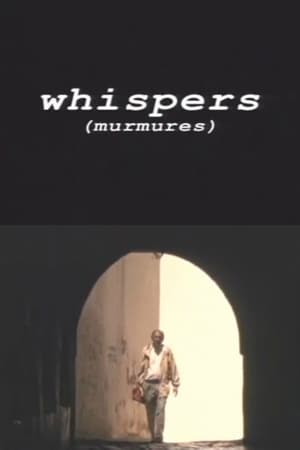
Caught between chasing his past and accepting his impending end, a man follows his childhood memories through the dark alleyways and desolate cemeteries of Boujad, Morocco.
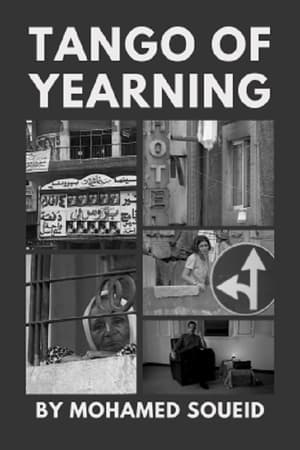
Tango of Yearning (1998) is the first episode of an autobiographical trilogy on postwar Lebanon, later including Nightfall (2000) and Civil War (2002). Taking its title from Tango of Hope, a classic ballad by Nur al-Huda, the film draws from the director’s reflections on war, love, and cinema, as well as his personal experience at the public television channel TéléLiban. Conjuring various snippets of audiovisual archival material, the film is a poetic elegy to film, Beirut’s movie theaters, and a city undergoing radical transformation. Mohamed Soueid has long been a proponent of the experimental video documentary movement in Lebanon, playing a significant role in the country’s creative renaissance since the end of the civil war. Originally trained as a news videographer during the war, the experience offered him a facility with the medium, which he further developed by making non-linear documentary films with a distinctly personal take.
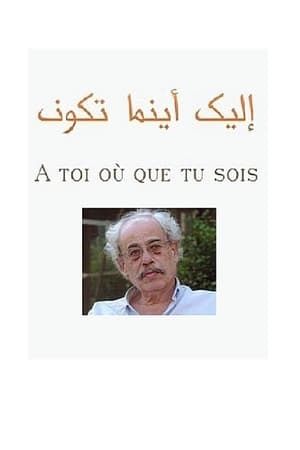
After “Letter From a Time of Exile”, the director is back in Lebanon where he discovers that his dreams about his country are an illusion and that the exile in your homeland is by far the worst exile. Programmer's Note: Borhane Alaouié returns to Beirut from his exile. His documentary film constitutes a new letter at the start of the 21st century in reply to the letters of the 1980s. The reconstruction process appears to affect stones more than people.
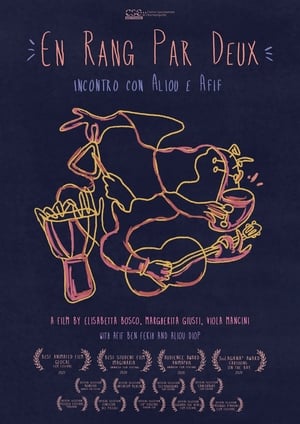
The idea for this film comes from the encounter with two African boys who live in Rome, and is based on their music. Tunisian Afif and Senegalese Aliou tell their different stories, talk about friendship, immigration, freedom and, above all, about the fundamental value of making music together.
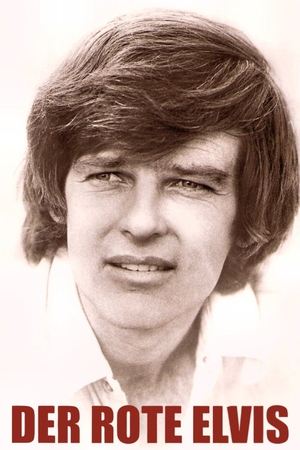
A documentary on the late American entertainer Dean Reed, who became a huge star in East Germany after settling there in 1973.
Documentary about the Dutch punkband 'De Klojos'. and it sucks bigtime
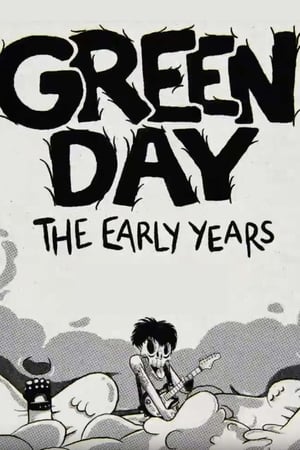
"Green Day: The Early Years" chronicles the rise of the world's most influential punk band, from their origins playing shows at Berkley's notorious Gilman Street venue in the late 80s, through the release of the platinum-selling Dookie in 1994.
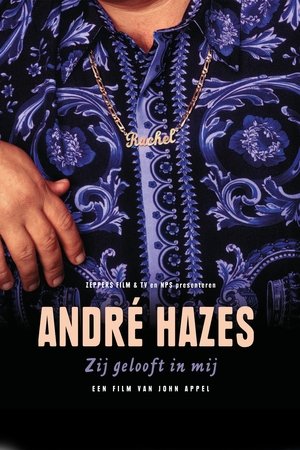
Portrait of the popular folk singer André Hazes. He was followed for several months by filmmaker John Appel. Love, hope, happiness, sadness, concerts, family, and fans play a major role in his life. Appel filmed Hazes during performances and business meetings, as well as at home with his family and during a vacation in Benidorm. The result is both hilarious and moving at times.
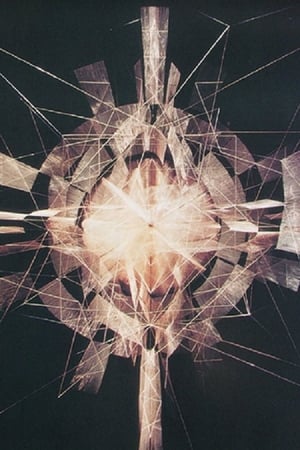
Documentary examining the work of sculptor Richard Lippold, particular his sculpture of the sun at the Metropolitan Museum of Art.
Men and women in the Horn of Africa and adjiacent regions of the Middle East tell stories of their relationships and contacts with demons and spirits in their life and culture.
The documentary goes through the 23 years of MTV Brazil, taking stock from the avant-garde to the ostracism of the broadcaster that was the main guide for the musical, cultural and social formation of young people in the 90's and 2000's with interviews and testimonials from former VJ's and artists that emerged and became popular in the country because of the channel.
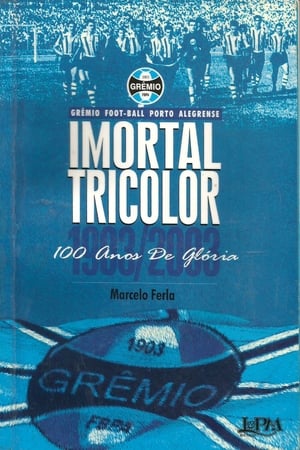
A documentary about the centuries-old story of one of the biggest clubs in Brazilian football. From its foundation, the early years, the continental and world titles and the achievementes of its greatest stars.
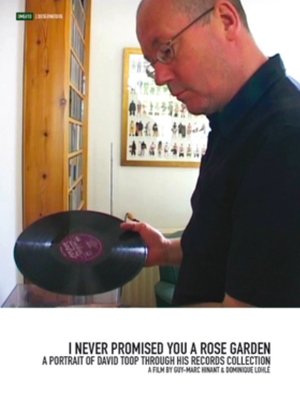
British musician and writer David Toop leads viewers through a tour of his voluminous record collection, reflecting on perception, the limits of music and the connections between seemingly disparate performers. This unusual documentary from filmmakers Guy Marc Hinant and Dominique Lohlé also captures Toop's progression from engagement to near exhaustion as he methodically combs through tens of thousands of records.
A short documentary about the Grateful Dead's legendary May 8, 1977 show at Barton Hall at Cornell University.
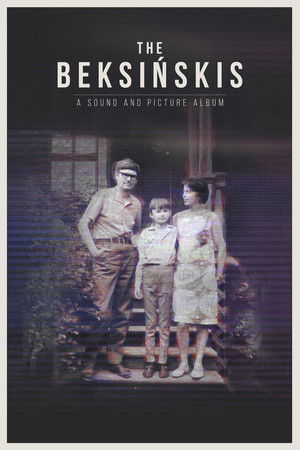
Painter Zdzisław Beksiński, his wife Zofia and their son Tomasz, a well-known radio journalist and translator, were a typical and unconventional family, both at the same time. One of the father’s obsessions was filming himself and his family members. Using archival footage only, shot primarily by Zdzisław, as well many other materials, which have not been presented anywhere so far, the film tells a tragic story of the Beksińskis that has never ceased to fascinate Polish filmmakers.
It is hard to find a family home where all the members have gone to live their separate lives in different parts of the world. Travelling between different continents, the director visits divorced parents and their new partners and also meets her sister who decided to join an alternative community. Their family exists on archival films and photographs only. Is it still possible to put it all together against all odds?
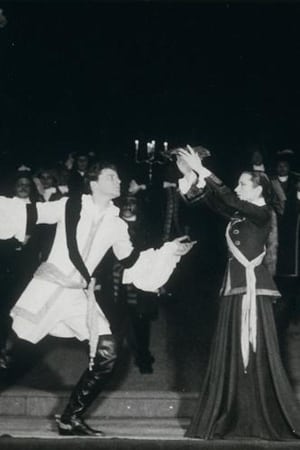
The T.N.P., the Théâtre National Populaire, an important experimental theater directed by Jean Vilar. Franju combines sequences from theatrical performances with documentary images, creating links and confrontations between theater and the real world.
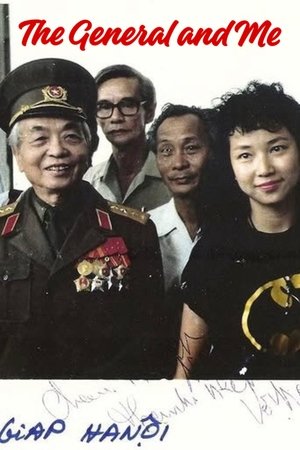
Over the period of 25 years the director met General Võ Nguyên Giáp, a legendary hero of Vietnam’s independence wars, a number of times. She was the first American who entered the home of the “Red Napoleon”. The fruit of this friendship is a film, personal and politically involved at the same time. Travelling across the country and talking to important figures as well as ordinary people, the director finds out more about her roots and offers the audience a unique perspective on Vietnam’s present and past.