Documentary short showcasing the genius of jazz greats Coleman Hawkins, Roy Eldridge, Cozy Cole, and Milt Hinton, among others.
This is a 1991 documentary film about the legendary artist and filmmaker, Joseph Cornell, who made those magnificent and strange collage boxes. He was also one of our great experimental filmmakers and once apparently made Salvador Dali extremely jealous at a screening of his masterpiece, Rose Hobart. In this film we get to hear people like Susan Sontag, Stan Brakhage, and Tony Curtis talk about their friendships with the artist. It turns out that Curtis was quite a collector and he seemed to have a very deep understanding of what Cornell was doing in his work.
New York based artist, Cindy Sherman, is famous for her photographs of women in which she is not only the photographer, but also the subject. She has contributed her own footage to the programme by recording her studio and herself at work with her Hi-8 video camera. It reveals a range of unexpected sources from visceral horror to medical catalogues and exploitation movies, and explores her real interests and enthusiasms. She shows an intuitive and often humorous approach to her work, and reflects on the themes of her work since the late 1970s. She talks about her pivotal series known as the `Sex Pictures' in which she addresses the theme of sexuality in the light of AIDS and the arts censorship debate in the United States.
Extranjeros de sí mismos
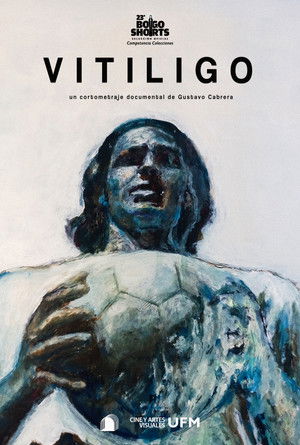
Expelled from football after a series of match-fixing allegations, former Guatemalan player Gustavo Cabrera grapples with the devastating impact on his mental health and the course of his life.
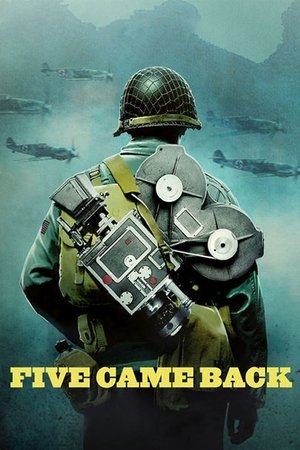
The extraordinary story of how Hollywood changed World War II – and how World War II changed Hollywood, through the interwoven experiences of five legendary filmmakers who went to war to serve their country and bring the truth to the American people: John Ford, William Wyler, John Huston, Frank Capra, and George Stevens. Based on Mark Harris’ best-selling book, “Five Came Back: A Story of Hollywood and the Second World War.”
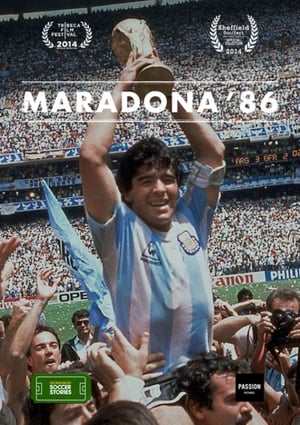
In the 1986 World Cup, Diego Maradona, the world's greatest football player, reached his apotheosis, redefining what is possible for one man to accomplish on a football pitch. His ability to take control of the ball -- the game -- an entire tournament -- split the world in two. It was both illuminating and an affront, beguiling and an outrage, and the fervor that surrounded him was unprecedented, bordering on the religious. Constructed from archive material, "Maradona '86" is an ode to this ultimate footballing idol, basking in the operatic intensity of his performance in Mexico as he wrote his name on football history forever.
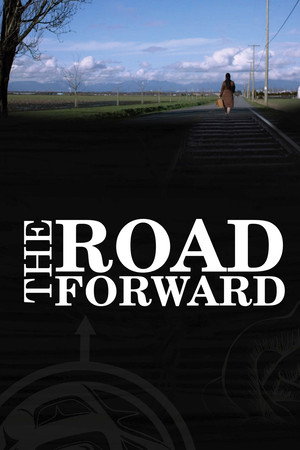
The Road Forward is an electrifying musical documentary that connects a pivotal moment in Canada’s civil rights history—the beginnings of Indian Nationalism in the 1930s—with the powerful momentum of First Nations activism today. Interviews and musical sequences describe how a tiny movement, the Native Brotherhood and Sisterhood, grew to become a successful voice for change across the country. Visually stunning, The Road Forward seamlessly connects past and present through superbly produced story-songs with soaring vocals, blues, rock, and traditional beats.
This documentary follows the French soccer team on their way to victory in the 1998 World Cup in France. Stéphane Meunier spent the whole time filming the players, the coach and some other important characters of this victory, giving us a very intimate and nice view of them, as if we were with them.
Documentary film that deals with the problems of the rock'n'roll scene in Niš, focusing primarily on the period after the collapse of the former SFRJ.
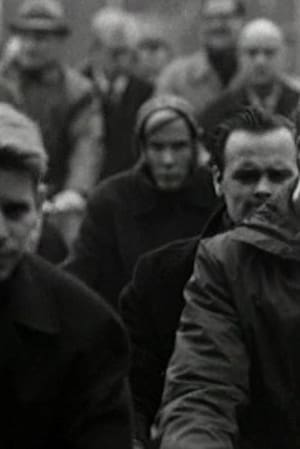
Rhythmic composition of moving photographs of cyclists in Amsterdam, ‘set’ to Vivaldi’s The Four Seasons.
The point of departure for this film is the 1981 composition De Tijd by Dutch composer Louis Andriessen. Van der Keuken leaves the music undisturbed as an autonomous soundtrack and has the images engage in a sort of battle with it. These images are associations, fragments of events, scenes and situations. The film is preceded by a text by Bert Schierbeek.
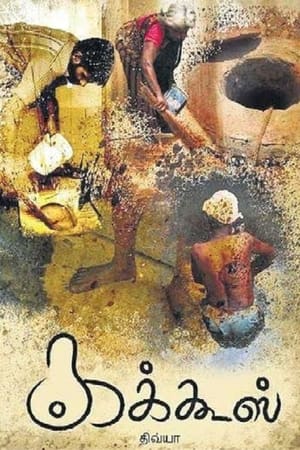
Manual Scavenging is an all India Phenomenon. However, the Government of India is kind enough to enact Prohibition of Employment as Manual Scavengers and their Rehabilitation Act and implementing many schemes. But none of them failed to work as the caste system is paramount in the so called democratic constitutional India. This film Kakkoos elaborates on the deplorable status.
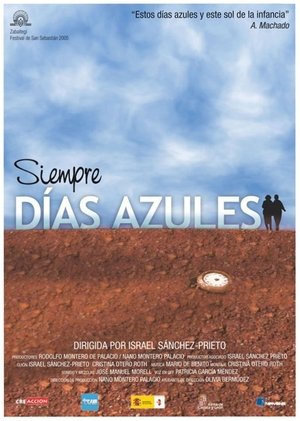
Siempre días azules
De Madrid a la Luna
2. Liga - Der SCP ist wieder da - Die Doku
Cinéastes de notre temps : Norman McLaren
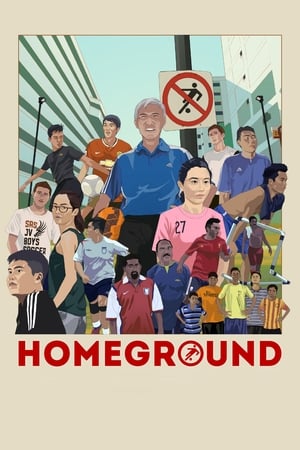
Singapore is a football nation. Every weekend, thousands of amateur players, from schoolboys to office executives to retirees, gather to play the Beautiful Game. Not for glory, not for fame; but for passion, football and friendship. This spirit is forged in the neighbourhoods; void decks, street soccer courts, open fields or any patch of grass. All across Singapore, footballers have a place they call their ‘Homeground’. For the first time, this football culture is captured on film. Homeground is a love letter to playing spaces we call home, and a tribute to all amateur footballers in Singapore
Burford met Breer in February 1992 and filmed his actions. Breer manipulates some of his mutoscopes: he leafs through some cards of his film in the making, Sparkill Ave! A dome-shaped sculpture slowly moves across the space.
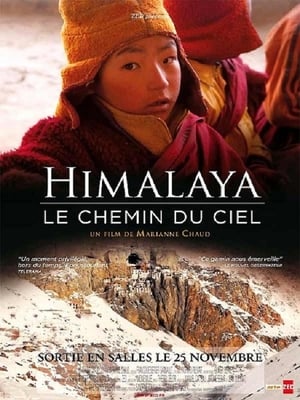
Directed by Marianne Chaud