Viramundo shows the saga of the northeastern migrants that arrive in São Paulo, beginning with a train arriving and ending with a train leaving São Paulo in a cycle repeated every day. Viramundo's aim was to question why the military coup d'état in Brazil happened without any popular resistance or revolution or reaction of the society.
Así Pasó
"Childhoods without Borders: Voices in Motion" is a documentary in which migrant boys and girls narrate the experiences and challenges they have faced in search of a better life.
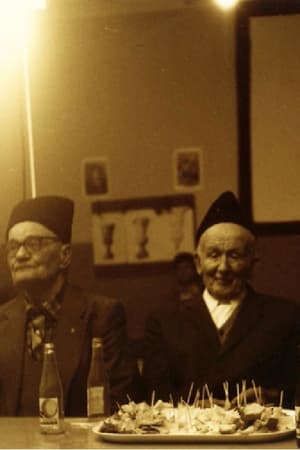
The protagonists of this docudrama are old farmers who migrated to Banat after the First World War, in 1922. The film is focused on a couple of important events in their impressive lives, which are woven into lively scenes and stories full of wise instances. Their statements become spontaneous recounts of the lives of people in this region.
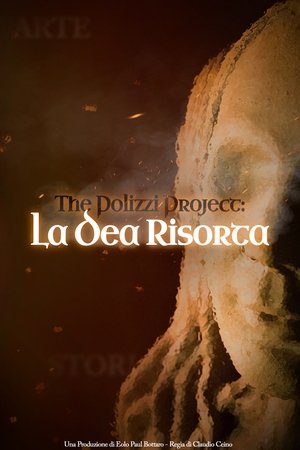
The film follows Vincent Schiavelli as he returns to Polizzi Generosa, the very town in Sicily his grandparents emigrated from in 1901.
Tunisia itself is the subject; we wanted to render the genius of the site. Tunisia is almost the central character of this little film: we see the relation of the city to the sea, the traces that bear witness to its foundation, the remains of Carthage, the symbolism of the recently discovered Medina coin … The splendours of the house interiors and courtyards are associated with a scene of origin, what psychoanalysis calls a primal scene. Entering these houses opens up a world peopled by women: the child’s ‘homecoming’ in the hands of women is staged as an abduction, playing doubly on fascination and terror. These places were mine, from my childhood, they can be found almost intact – it’s the return of the exile visiting the kingdom. I let Ruiz discover all this, and immediately that led him to echoes and resonances ranging from Spain to Chile.
The inhabitants of the canyon of river Kupa, located on the border between Croatia and Slovenia, have historically been united due to their harsh living conditions, but this peaceful cohabitation between members of different cultures is threatened by the construction of iron fences to prevent the transit of refugees from Bosnia.
In the mountains of Colombia's Coffee Triangle, a family faces the shadow of armed conflict. Years later, a son reconstructs the inherited fear, amidst echoes of the past and invisible scars. A sensory journey into memory, where the unspoken still resonates.
This intimate letter from a migrant grandson about his Italian grandmother, also a migrant, unites in a trip to Italy the portrait of Venezuelan migration as a vital legacy of the European post-war period and the current crisis that has led the South American country to the largest exodus the continent has ever known.
Guanape Sur. A barren rock island off the coast of Peru. No soil, no water. Nothing is growing here. Around its shores a restricted area has been established. The island serves hundreds of thousands of sea birds as a breeding ground.
The film explores the reasons for emigrating from Italy and describes the feeling of being a stranger in one's own country after many years in Switzerland. It is the sequel to Emigrazione.
ADRIFT- People of a Lesser God is the story of an incredible odyssey made by several-times Pulitzer Prize-nominated undercover reporter Dominique C. Mollard. In this gripping story, Mollard sails with 38 African migrants, among them a five-month-old baby, out of West Africa on a quest to reach the golden shores of Europe. All aboard are packed together like sardines in a leaky fishing canoe as they set off under full moon on their harrowing journey. ADRIFT-People of a Lesser God captures the struggle of these desperate migrants as they brave their way across the cold Atlantic, risking their lives in search for a better future. —Ziad H. Hamzeh
This anthology film, whose Chinese title begins with a romantic name for human excrement, premiered internationally at Rotterdam and won Best Screenplay from the Hong Kong Film Critics Society. A variety of Hong Kong people wrestle with nostalgia when facing an uncertain future. Their stories give way to a documentary featuring a young barista turned political candidate.
Nine post war migrants are interviewed in their houses and explain their survival in World War 2, migration to Australia. Travel on ships. Arrival in Australia. Life in migrant camps. Assimilation into Australian society.
In the midst of economic prosperity, when Venezuela welcomed millions of migrants, this documentary narrates different realities of the country.
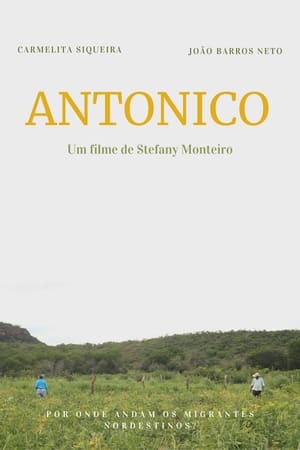
Antonico: Por Onde Andam os Migrantes Nordestinos?
A portrait of the Director’s maternal grandmother, Eliane, a French woman who lived her entire life in Tunisia. The film shows her last moments at home with her family before her passing due to Alzheimer's disease.
A family history archive as told by matriarch Azalu Mekonnen and her granddaughter Samira Hooks.
Through first person narration, Tari reveals personal stories related to her decision to work in Taiwan, her strained family relationships, the risks involved in working abroad and the traps she has fallen into.
Documentary about a "transportation commando" in Germany with the goal to deport 200 people to Albania...