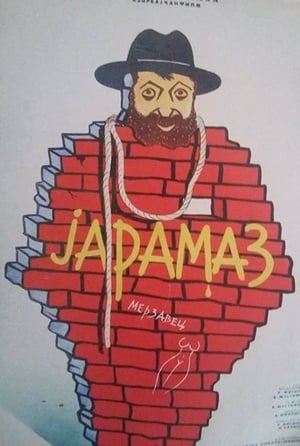
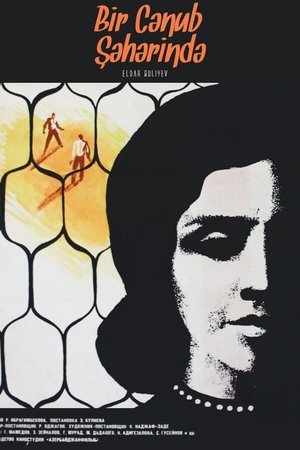
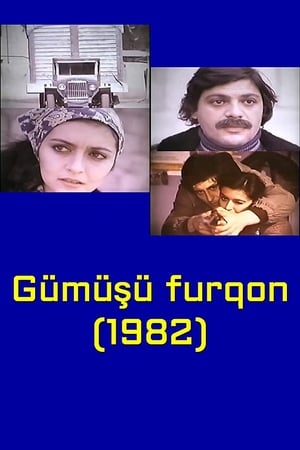
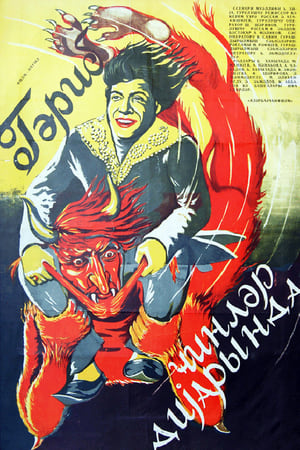
The twin brothers Sachib and Garib are cheerful and funny boys. They tend to their small farm and take care of their mother and sister. But Garib is no longer satisfied with this "simple" life. He wants to achieve prestige and prosperity. One day, while working in the fields, he is surprised by a demon who promises him wealth, fame, honor, and power if Garib works for him. Garib succumbs to the temptation and accepts the offer. His task now is to impart his knowledge and skills to the cave dwellers, called jinn. At first, Garib feels comfortable and succeeds in transforming the underworld into a fertile and flourishing landscape. But Garib is increasingly tormented by his longing for his family back home.
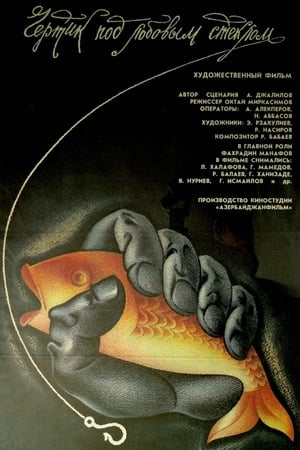
A journalist is investigating a group of poachers who are illegally selling the huge amounts of fish
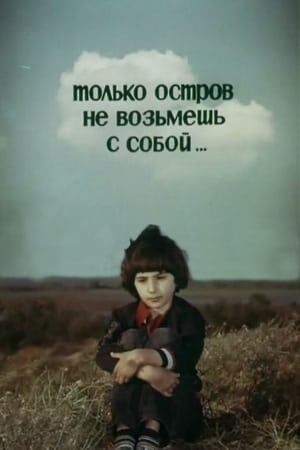
While there is famine during WW2, a boy with mom far away, tries to stay strong.
During the late 1980s and early 1990s the Armenian minority in Nagorono-Karabakh attempted to break away from Azerbaijan, one of the former Soviet republics. Overnight these former neighbors became enemies, and simple village folk were suddenly made hostages in a complex power game. One of the Azerbaijani villages right on the border is home to the family of the peasant farmer Kerim, who has just been captured by the Armenians. The village council decides to take an Armenian in order to arrange a hostage exchange. They imprison the wounded man in the barn next to Kerim's house, where his wife and three children desperately await the husband's return. The captive from the other side of the border finds himself in exactly the same situation - he, too, has three children, he finds it hard to scrape a living together, he has never done anything to harm anyone and, like Kerim, he just wants to go back home. But life in Karabakh is far more complex now. Blood calls for blood.
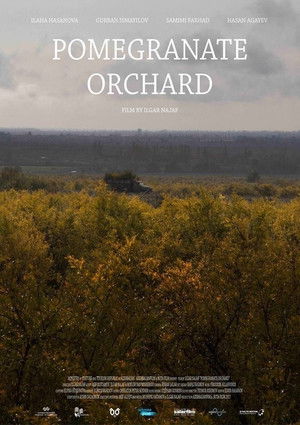
Inspired by Anton Chekhov's The Cherry Orchard, the film follows a prodigal son who returns after 12 years. His reappearance at the family home in rural Azerbaijan significantly alters their way of life.
War breaks out in the Caucasus. 75-year-old Maria loses her son in the war. She and her daughter-in-law Sofia have been living in the Caucasus for 12 years. When famine strikes, they want to move to Russia. The women decide that they must go to Moscow. Maria takes her little dog and Sofia her small suitcase, gets on the train and sets off. In the next compartment, photojournalist Alexander is also traveling. Sofia and Alexander love each other. Maria realizes at one of the stations near Volgograd that she cannot live without the Caucasus. She writes a letter to Sofia and leaves the train with her dog...
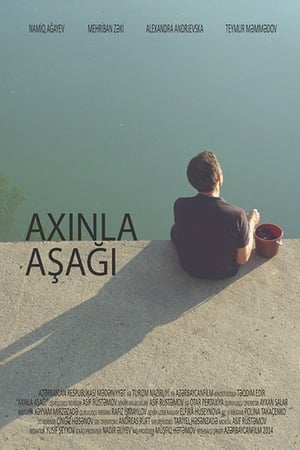
Young Ruslan rows for a team coached by his father Ali, who places many demands upon his son and is continually dissatisfied by his performance. But when tragedy strikes, his father is overcome with emotions he doesn’t know how to deal with. Debut director Asif Rustamov treats the heavy topic with remarkable subtlety and discretion, emphasizing the characters’ carefully elaborated psychology.
In a Azerbaijan, in the beginning of this century, the first films made in the history of cinema are shown.The characters meet each other in a room. Three characters who will witness the linking up of their destinies through their common love for this new captivating art.
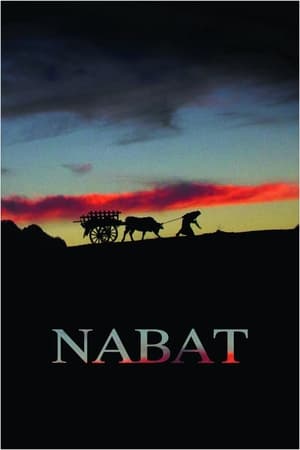
The story is set during an upsurge in the Nagorno-Karabakh conflict and revolves around an old, sick ex-forestry worker and his wife Nabat, whose son has died in battle.
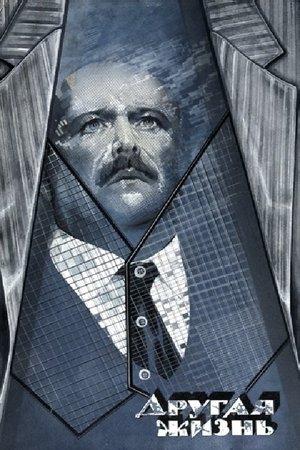
Film exposes the corruption and the decadence of the late Soviet bureaucracy in Azerbaijan SSR through the eyes of a naive Azerbaijani adult man, Hatem.
The film is about events which has happened with the "Potyomkin" ship.
After the story of the same name of S. Veliyev. It's devoted about life concerns of oil workers and their children.
A drama about a film crew making a movie in an isolated mountain town famous for its ancient fortress, and what happens when the town is threatened by a modern-day foreign invasion.
Murad, a young man, lives by the old ethical norms that are still valid in the suburbs of his city. He had promised Tofig, his childhood friend, to give him his sister as a wife, but Tofig is in love with another girl. He forgets the promise and takes the girl home. Murad is offended. According to the code of honor, he must take revenge. One of the first films ever produced in the Soviet Union to challenge the sociopolitical establishment.
The film is about the Soviet People's patriotism and friendship.
Novruzali brings a gift from the village to the Khan as usual. The Khan writes a letter to his friend living in Yerevan, promising to come there with his wife and to tidy and heat the house where they will stay. He sends Novruzali to the post office to put the letter in the mailbox. And instructs him not to give it to anyone. Novruzali, who does not know what mail is, puts a letter in the mailbox for the first time in his life. Not knowing the rules, he waits near the mailbox. When the postal worker takes the letters from the mailbox, Novruzali thinks he is a thief and confronts him.
The film takes place in Baku in 1918-19 and then several years later. The film is based on the opera of the same name by Fikret Amirov. Sevil became the first film opera in the history of Azerbaijani cinema.
The film is about the girl who was lost during the war and her return to her motherland after some events.
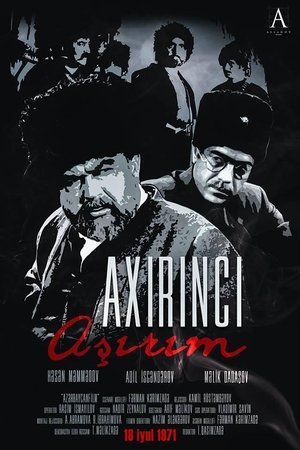
Jan Vacek, a revolutionary of Czech origin, organizes the retreat of communist troops in Baku after the Bolshevik Revolution, following the fall of the local commune...
The film is about an oilman who took a lost worker's place and won the respect of other oilmen, was also based on this same ideology, depicting the heroism of oil workers, who never became exhausted and continued working in oil, generation after generation.