Extranjeros de sí mismos
Michael Cockerell sheds new light on the tragi-comedy of the 1970s by focusing on some of its most controversial characters. With fresh filming and new interviews, along with a treasure trove of rare archive, the film presents the inside story of giant personalities who make today's public figures look sadly dull in comparison. The well-known journalist revisits some of his films on the big characters who helped shaped the 1970s in Britain. Both tragic and comic, it highlights just how much our world has changed in four decades.
The story of Salvador Puig Antich, one of the last political prisoners to be executed under Franco's Fascist State in 1974.
In this adaption of the 22th chapter of Jose Rizal's iconic novel Noli Me Tángere, the town of San Diego prepares for a feast. News spread fast that Maria Clara will grace the celebration with her presence, prompting the townsfolk to be excited to catch a glimpse of the beautiful young maiden.
Huw Edwards presents a documentary examining the relationship between Victorian prime ministers Benjamin Disraeli and William Gladstone, whose bitter personal rivalry dominated British politics for 40 years.
For almost two thousand years, the story of Jesus’ final days has been celebrated by Christians the world over. From Jesus’ triumphant entry into Jerusalem, through to his eventual crucifixion six days later, the key moments have been immortalized in countless films, pieces of music, and works of art. But in recent years, some historians have begun to question inconsistencies in the Gospels’ version of events. They believe that the Gospels could hide a very different story; one that casts the historical Jesus in an entirely new light. Based on a new interpretation of contemporary historical events in Rome, "Last Days of Jesus" peels back thousands of years of tradition, to explore a new political context to the events in Jerusalem. "Last Days of Jesus" explores how dramatic political events in Rome could have played a crucial role in shaping Jesus’ destiny, and examines an extraordinary political alliance that altered the course of history.
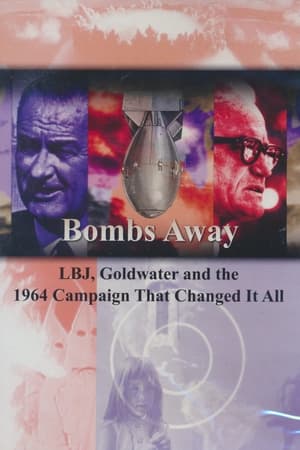
The political ad "Peace Little Girl" aired during the 1964 presidential campaign ushered in a new era of the television attack ad. The campaign also reshaped the American political landscape in other significant ways ultimately ending up with the establishment of the contemporary geopolitical map of red and blue states. Includes interviews with historians and participants in the campaign.
This reconstruction refers to a meeting that allegedly took place on 25 November 1804 at Fontainebleau between Pope Pius VII and Napoleon to discuss the coronation.
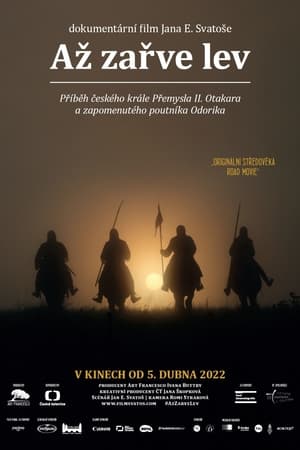
This is the story of the Bohemian King, Přemysl Otakar II, and the forgotten pilgrim, Odorik, who was the first-ever European to set eyes on Tibet. This medieval road movie brings an unconventional view to these two great figures of Czech medieval history. While the character of Odorik, regarded as the “Bohemian Marco Polo,” is practically unknown to us, the Bohemian King Přemysl Otakar II is either demonized or dismissed by the traditional clichés of the “Iron and Golden King.” In a private conversational format, the film’s author gives us a glimpse of this medieval world, set nearly 700 years apart from our modern context. But nothing has been lost in terms of this world’s impact or relevance, for both Odorik and Přemysl have outlived their time. Their lives are surprisingly endearing and touch on many of our current feelings.
Spotlighting 30 years of the Israeli metal band's career, A Heaven You May Create explores not only their immense discography but also the impact they left on the music industry.
Examines the early 1980s Hong Kong filmmaking community. Tony Rayns interviews some of the new generation of filmmakers and figures from the wider film culture.
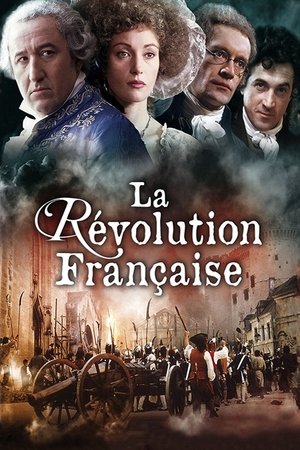
A history of the French Revolution beginning from the decision of the king to convene the Etats-Generaux in 1789 in order to deal with France's debt problem. Part one spans the event until August 10, 1792 (when the King Louis XVI lost all authority and was imprisoned). Part two carries the story through the end of the terror in 1794.
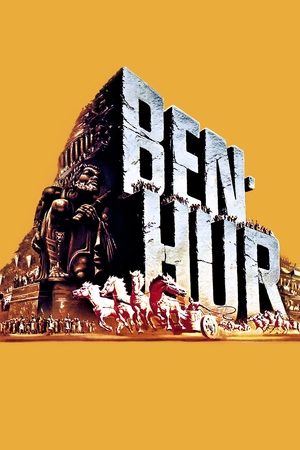
In ancient Judea, a Jewish aristocrat opposing Roman occupation of his homeland reunites with his childhood friend, now a Roman commander — setting in motion a saga of betrayal, adventure, tragedy, revenge, and faith.
For two hundred years, the Shakers have been America's most successful utopian society. While seeking harmony, order and perfection in every aspect of their lives, they built minimalistic furniture and buildings that influenced modern design. The Shakers wrote songs of exquisite beauty and danced to the point of ecstasy during their religious meetings. Inspired by this music and dance, choreographer Tero Saarinen created Borrowed Light, a dance piece about communal life and individual sacrifice. Shot in Finland and the United States, featuring interviews and excerpts from Borrowed Light, this documentary explore the cultural legacy of this religious group devoted to creating heaven on earth.
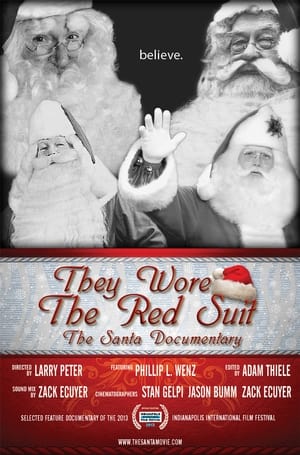
Every year, tens of thousands don the Red Suit for families, parties and parades, but only a handful of men have reclaimed the connection to childhood magic by turning the portrayal of Santa into a full-time career. They Wore the Red Suit is a documentary featuring the rare individuals who have devoted their lives to keeping that magic alive in the world by actually being Santa Claus 365 days a year.
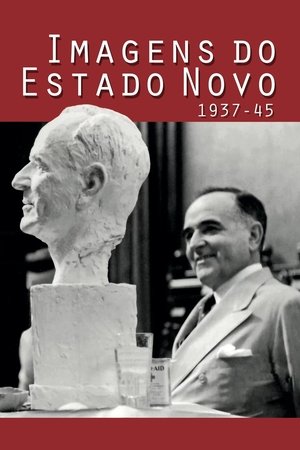
Resorting on a vast archive material of newsreels, photographs, letters, family videos, fiction movies, diary and popular songs excerpts, the documentary reassesses the legacy of the dictatorial period of Getúlio Vargas (1937-1945). Through the comparison and analysis of these heterogeneous records, produced for different purposes, from political propaganda to family celebration, the film explores the several layers of the political web of the Estado Novo, exposing its external inspirational sources, functionality and contradictions.
The Castro revolution was just consolidating its power when, in 1961, over 100,000 students were sent from their schools into the countryside to teach the peasants there how to read. Coinciding with the Bay of Pigs invasion, in this docudrama, 15-year-old Mario (Salvador Wood) has come to a tiny village in the Zapata swamps and gradually wins the villagers over to his task. At the same time, he receives an education in the realities of rural life from the hard-working peasants.
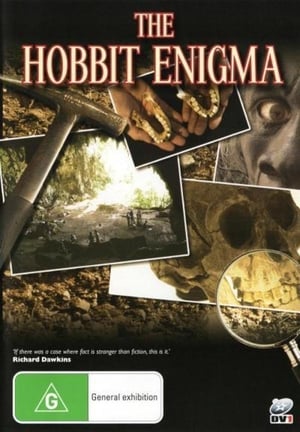
The Hobbit Enigma examines one of the greatest controversies in science today: what did scientists find when they uncovered the tiny, human-like skeleton of a strange creature, known to many as the Hobbit, on the Indonesian island of Flores in 2003?
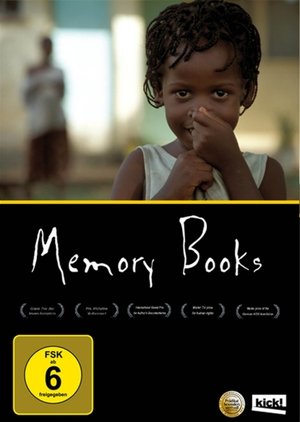
In Uganda, AIDS-infected mothers have begun writing what they call Memory Books for their children. Aware of the illness, it is a way for the family to come to terms with the inevitable death that it faces. Hopelessness and desperation are confronted through the collaborative effort of remembering and recording, a process that inspires unexpected strength and even solace in the face of death.
A short documentary detailing the people and philosophy behind Hockey Ministries International featuring a number of Christian professional hockey players.