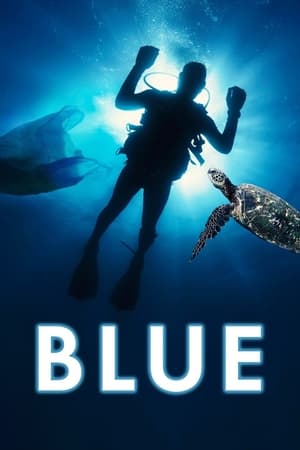
The waters of the North Pacific around Canada's Vancouver Island are a strange and little known world. The water is incredibly clean, the location is isolated and huge thermal vents heat the otherwise cold surrounding these factors combined have led to animals and plants that can grow to huge proportions. Humpback whales, orcas, wolf eels and bald eagles all thrive here. Our team of experts go in search of the elusive Pacific Giant Octopus. Growing up to 7.5 meters across with the power to kill sharks, it is a formidable creature, but also intelligent and incredibly shy. The dive team invites us into an alien world, where persistence is rewarded with encounters with three of these magnificent creatures.
From the Discovery Channel comes the animal series Predators of the Wild. Shot on location, footage provides viewers an up-close look at some of the planet's most notorious beasts. The episode Sharks transports viewers to the undersea domain of these fearsome carnivorous creatures. See great whites, makos, and hammerheads and learn why they do what they do. Informative as well as entertaining, this video also addresses serious conservation and animal preservation issues.
Crocodiles and alligators... gaping, saw-toothed jaws, muscular, bone-crushing tails, a Jurassic vision of armoured, flesh-eating horror. Lurking beneath the murky surface, eyes and nostrils are barely visible as the oblivious victim ventures one step too near. A sudden explosion of lunging, scaled fury, a hopeless, panicked struggle... a silent, watery death. Crocodiles and alligators reign as the supreme predators in rivers and coastal areas around the globe. With a carnivorous heritage extending back to the age of dinosaurs, these primordial relics are worthy successors to the "terrible lizards" they so closely resemble.
The secrets of the maligned and misunderstood tarantula are brought to light in the Discovery Channel's Predators of the Wild series portrait of the Giant Tarantula. The film presents an intimate look at the largest and most venomous spider species in the world. Shot on location, viewers observe the tarantula close-up as it waits in its 3-foot burrow until its prey of insects, frogs, snakes, birds and rodents come along. Footage also captures the tarantula's deadly mating ritual.
Polar bear… immensely powerful, ferociously cunning, lethally equipped for devastating exploitation of its frozen realm. Legendary for its endurance, hunting prowess and awesome strength, it is the largest and most formidable land predator of the planet’s most brutally unforgiving environment. Venture into the trackless Arctic wastes to witness the uncanny survival strategies developed by this magnificent creature – tactics honed to a killing edge during 250,000 years of adaptation to its icy kingdom. See why the largest of these fearsome bears, weighing more than two full-grown lions, stands as the undisputed predatory monarch of a pristine, unconquered land where man still ventures at his peril.
Wolf... archetypal symbol of untamed ferocity and elemental, almost supernatural cunning. Drawn to the chase by the eerie howls of their killing song, the pack forms a single, bloodthirsty entity, bent on relentless pursuit, inevitable capture and swift, certain death. Journey to the spectacular, isolated mountain realms of northern Spain, where the last remaining Iberian wolf pack wages a mortal battle for survival. The wolves' legendary intelligence, their lethally effective social hunting skills and awesome powers of endurance are all put to the ultimate test in a life and death struggle against man's most modern weapons... and most primitive fears.
Greenland is the largest island in the world and the landmass closest to the North Pole. 80% of the country is covered by a layer of ice up to 3000 meters thick. Through the eyes of locals we get to know the authentic Greenland.
Long Gone Wild focuses on the plight of captive orcas, picking up where the acclaimed documentary Blackfish left off while telling a uniquely new and different story...
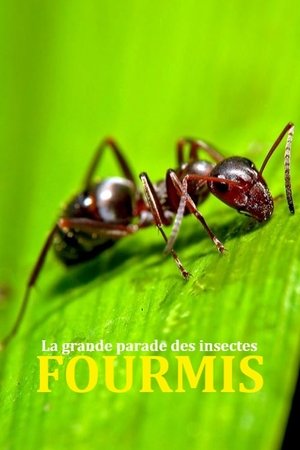
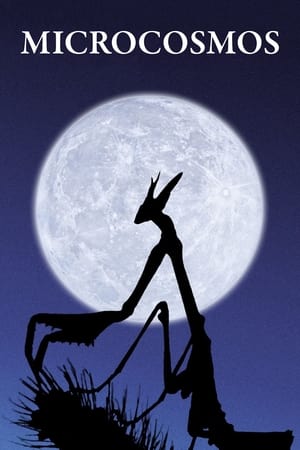
A documentary of insect life in meadows and ponds, using incredible close-ups, slow motion, and time-lapse photography. It includes bees collecting nectar, ladybugs eating mites, snails mating, spiders wrapping their catch, a scarab beetle relentlessly pushing its ball of dung uphill, endless lines of caterpillars, an underwater spider creating an air bubble to live in, and a mosquito hatching.
Short documentary, shot over fours years, showing the incredible daily migration of the western toad tadpoles, a designated indicator species on Vancouver Island, British Columbia.
A portrait of wildlife rescue experts devoting their lives to saving kangaroos in tension with professional hunters seeking to harvest them.
A stunning and intimate portrait of the Arhuaco indigenous community in Colombia. In 1990, in a celebrated BBC documentary, the Arhuaco made contact with the outside world to warn industrialized societies of the potentially catastrophic future facing the planet if we don’t change our ways. Now, three decades later, with the advances of audio/visual technology, we go back to the Snowy Peaks of Sierra Nevada de Santa Maria to illuminate their ethos against the backdrop of an increasingly fragile world.
A wounded moose escapes its hunters, later dying deep in the forest and becoming... a communal feast. As the seasons go by, mammals, birds and insects invite themselves to the banquet - multiplying ensuing games, rituals and conflicts. In exploring and occasionally foiling nature's wildlife codes, our story becomes a simple yet poignant reflection on death, on its natural place in this world and, by extension, on its deeper meaning and purpose - important lessons to explore at this time when the glorious paradises offered by religions tend to feel less and less credible.
L'école d'Arthur
He calls himself Catman. Christian lives with his two cats Marmelade and Katjuscha. They are inseparable. As he yearns to become a father, he has his beloved Marmelade fertilized by an exclusive tomcat abroad.
The highest mountain range in the world, the Himalayan range is far reaching, spanning thousands of miles, and holds within it an exceptionally diverse ecology. Coniferous and subtropical forests, wetlands, and montane grasslands are as much a part of this world as the inhospitable, frozen mountaintops that tower above. The word Himalaya is Sanskrit for abode of snow, fitting for a stretch of land that houses the world’s largest non polar ice masses. Extensive glacial networks feed Asia's major rivers including the Ganges, Indus, and Brahmaputra. More than a billion people rely on these glacier-fed water sources for drinking water and agriculture. The Himalayas are not only a remarkable expanse of natural beauty. They're also crucial for our survival.
A look at the life of a man and his hat and his beard.
Le renard qui a sauvé son île
This documentary follows various migratory bird species on their long journeys from their summer homes to the equator and back, covering thousands of miles and navigating by the stars. These arduous treks are crucial for survival, seeking hospitable climates and food sources. Birds face numerous challenges, including crossing oceans and evading predators, illness, and injury. Although migrations are undertaken as a community, birds disperse into family units once they reach their destinations, and every continent is affected by these migrations, hosting migratory bird species at least part of the year.
A wildlife documentary about marmot.