Documentary about a district with social problems and an unconventional teacher, who tries to teach more than just knowledge.
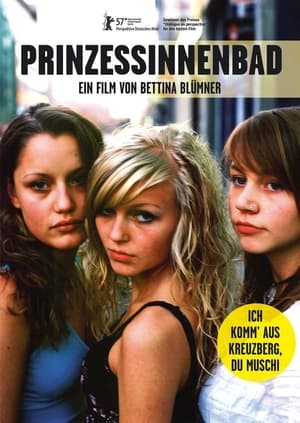
A film about three teenagers - Klara, Mina and Tanutscha - from the Berlin district of Kreuzberg. The trio have known each other since Kindergarten and have plenty in common. The three 15-year-olds are the best of friends; they are spending the summer at Prinzenbad, a large open-air swimming pool at the heart of the district where they live. They're feeling pretty grown up, and are convinced they've now left their childhood behind.
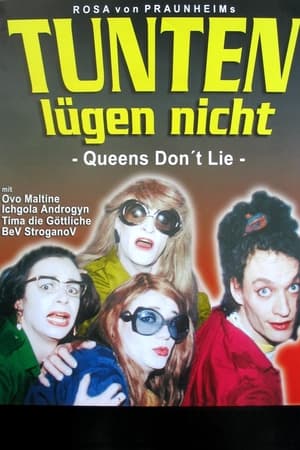
Bosom buddies BeV StroganoV, Ovo Maltine, Ichgola Androgyn and Tima die Göttliche are four Berlin drag queens who met in the mid 1980s. These four queens became Germany’s most popular drag performers and have been busy fertilizing the German cultural scene. Besides being performers, they are also political activists – in AIDS awareness, anti-gay violence, the sex workers movement and the struggle against the extreme right and racism. The film tells their story.
A day in the city of Berlin, which experienced an industrial boom in the 1920s, and still provides an insight into the living and working conditions at that time. Germany had just recovered a little from the worst consequences of the First World War, the great economic crisis was still a few years away and Hitler was not yet an issue at the time.
Journey with the musicians of the Berlin Philharmonic and their conductor Sir Simon Rattle on a breakneck concert tour of six metropolises across Asia: Beijing, Seoul, Shanghai, Hong Kong, Taipei and Tokyo. Their artistic triumph onstage belies a dynamic and dramatic life backstage. The orchestra is a closed society that observes its own laws and traditions, and in the words of one of its musicians is, “an island, a democratic microcosm – almost without precedent in the music world - whose social structure and cohesion is not only founded on a common love for music but also informed by competition, compulsion and the pressure to perform to a high pitch of excellence... .” Never before has the Berlin Philharmonic allowed such intimate and exclusive access into its private world.
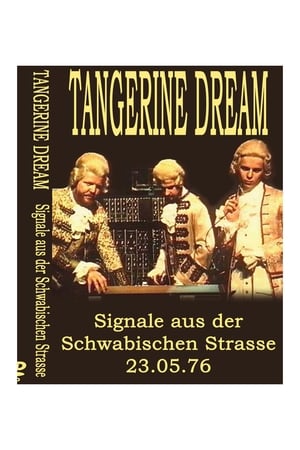
German TV film, also shown on Spanish TV in 1976, this is a film all about TD which includes informal interviews and concert/studio footage, most of which seems to have been done exclusively for the film. The interviews are in the German language. The street name in the title refers to where Edgar Froese used to live in Berlin (apparently Klaus Schulze lived on the same street at the time) and is now the site of the TDI offices.
Sanssouci, Friedrichs Paradies
Lebensdaten
Documents the remodeling of the Ostbahnhof in Berlin Friedrichshain into the central station of the GDR.
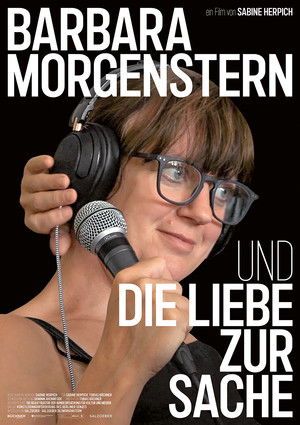
For the first time in six years, Barbara Morgenstern, pioneer of German-style electronic intimate pop, works on a new album. Her laptop sits on a shoebox, in the privacy of her home she finds first lines and harmonies: “I like to be alone,” one song begins. One by one, musicians join her. Intuitive ideas take shape. A window has opened. Arrangements, rehearsals, recordings follow. Step by step, the music enters public space, images are produced, videos, narratives. Questions arise: New beginning or back to the roots? New Biedermeier or tough political comment? The bigger the band, the riskier the booking. The more crisis-ridden the environment, the more comforting the music-making.
Documentary examines the history and evolution of the Olympic Games, taking a close look at the Olympic charter, oath and ideals. Also featured are rare home movies and interviews with Olympic athletes and the oldest known color footage of the Olympic Games from Berlin in 1936.
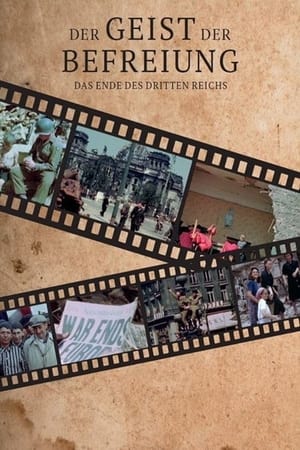
Experience the fall of the Third Reich like never before, the last year of the war and the liberation of Europe from Nazi rule. Documented up close by the most courageous cameramen of their time and uniquely edited. The most authentic documentary about the fall of Hitler's Germany, over ninety minutes of brilliant HD color footage with impressive original commentary from the time.
A Neukölln family of choice is pursuing its vision of creating a magical cultural and community garden above the rooftops of Berlin: the Klunkerkranich.
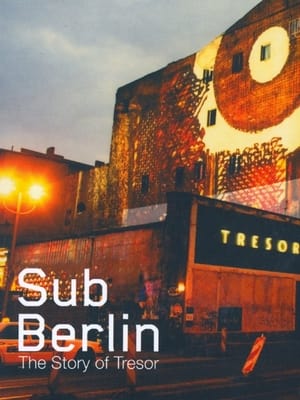
The original Tresor was in many ways the quintessential Berlin club: located in an unrenovated vault beneath a bombed out department store, it opened its doors amidst the general confusion and ecstasy that swept across the city when the wall fell. Its low ceilings, industrial decor and generally unhinged atmosphere created an unprecedented platform not only for techno in Berlin, but also for the scene taking shape across the Atlantic in Detroit.
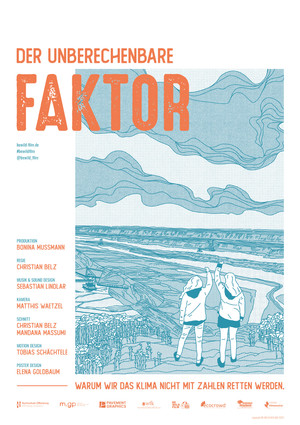
In today's climate debate, there is only one factor that cannot be calculated in climate models - humans. How can we nevertheless understand our role in the climate system and manage the crisis? Climate change is a complex global problem. Increasingly extreme weather events, rising sea levels, and more difficult living conditions - including for us humans - are already the order of the day. Global society has never faced such a complex challenge. For young people in particular, the frightening climate scenarios will be a reality in the future. For the global south, it is already today. To overcome this crisis, different perspectives are needed. "THE UNPREDICTABLE FACTOR" goes back to the origins of the German environmental movement, accompanies today's activists in the Rhineland in their fight against the coal industry and gives a voice to scientists from climate research, ethnology and psychology.
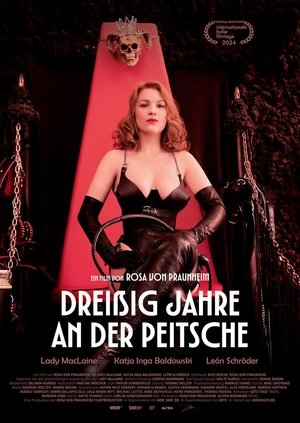
A portrait of Rosa von Praunheim's neighbor, who worked for decades as a professional dominatrix in Berlin's Wilmersdorf district. While the real Lady MacLaine reflects authentically and wittily on her life and work, her life is retold in dramatized scenes.
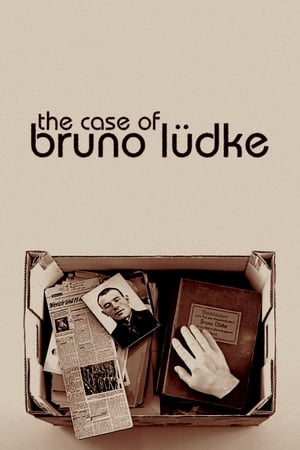
The incredible story of Bruno Lüdke (1908-44), the alleged worst mass murderer in German criminal history; or actually, a story of forged files and fake news that takes place during the darkest years of the Third Reich, when the principles of criminal justice, subjected to the yoke of a totalitarian system that is beginning to collapse, mean absolutely nothing.
The film accompanies Jenny Gröllmann, a German actress, during the last two years of her life.
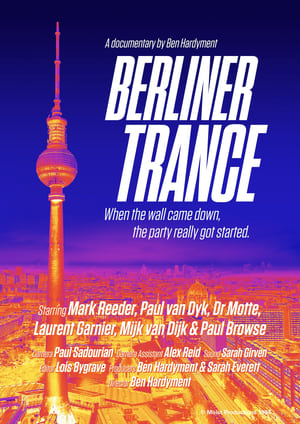
This lost classic, shot on 16mm in a wintry Berlin in 1993, explores the origins of the German trance scene. Featuring interviews with fresh-faced selectors including Laurent Garnier and MFS Records founder Mark Reeder, the documentary also feature footage from the city's iconic Love Parades in 1991 and 1993.
This documentary shows how the Berliner workers lived in 1930. The director Slatan Dudow shows through images: a) the workers leaving the factory; b) the raise of the rents; c) the "unpleasant" guest, meaning the justice officer that brings the eviction notice; d) the fight of classes of the houses of capitalists and working classes; e) the parks of the working class; f) the houses of the working class, origin of the tuberculosis and the victims; g) the playground of the working class; h) the swimming pool for the working class, ironically called the "Baltic Sea" of the working class; i) the effects of humidity of basement where a family lives, with one member deaf; j) one working class family having dinner while the capitalist baths his dog; k) the eviction notice received from an unemployed family and their eviction.