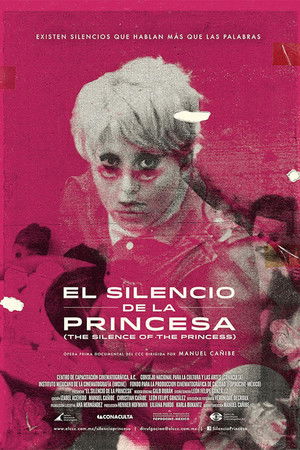
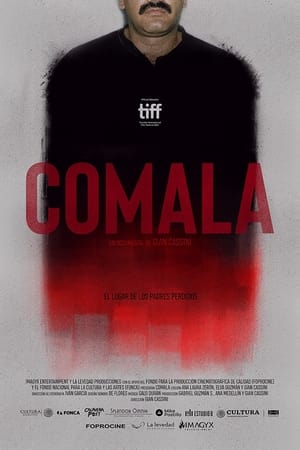
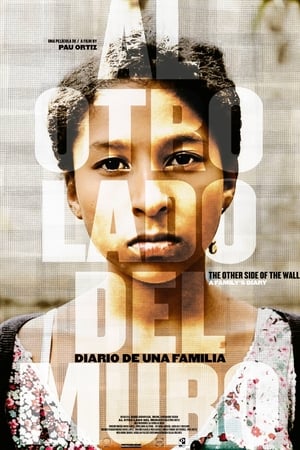
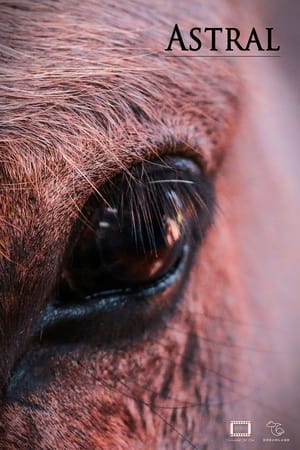
This film explores the consequences of the decisions we take and shows those things which really matter. After leaving his wife and children and promising he would be back, a man lives in a tent at a Mexico City park. There, he earns his living by selling balloons. After 30 years, he needs to fulfill his promise and return home. Will his family accept him back? Is he going to be able to change a life on the streets for the comfort of his home?
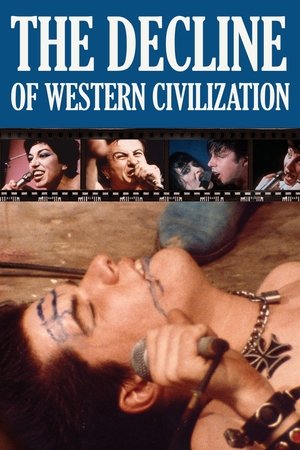
Henry Rollins narrates Lilly Scourtis Ayers' no-holds-barred profile of volatile Bay Area punk legend Marian Anderson, whose hypnotic beauty, devil-may-care rebellion and shocking sexual exploits onstage launched her to infamy before tragically dying of a heroin overdose at the tender age of 33.
As police and DEA agents battle sophisticated cartels, rural, economically-disadvantaged users and dealers–whose addiction to ICE and lack of job opportunities have landed them in an endless cycle of poverty and incarceration–are caught in the middle.
In the midst of the chaos of México City, a group of eight bachelor millennials who call themselves ´The Hermits´, open the doors to their tiny apartments in the historic Ermita Building, in the yet-to-be gentrified neighborhood of Tacubaya, and share their life experiences in a time when precarity changes the way in which we love, feel and relate to each other. As we explore the homes of these eight neighbors, we also witness their personalities intersect in a Whatsapp chat, a virtual space that functions as a supporting system that helps them face the adversities that living alone in this city brings.
Ricky Espinosa: The Documentary is a self-managed and independent project created by Juan Pablo Duarte in Buenos Aires, Argentina. It explores the life of Ricky Espinosa as an artist—his beginnings, his career, and his discography—featuring previously unreleased archival material and exclusive interviews.
Following the release of Bérurier Noir's album "Concerto pour détraqués" on the Bondage label in 1985, the French punk scene began to organize itself and attract media attention. Following Bondage's example, François Hadji Lazaro founded the Boucherie Production label. The departure of bands to major companies, Bérurier Noir's lawsuit against its label Bondage, and above all the breakup of the band marked the end of an era.
O Fim do Mundo, Enfim
Documentary about the Argentine punk and hardcore scene, from the early 80s to the mid-2000s. It includes interviews with various people in the environment, both musicians, producers and journalists, as well as archive material.
Inspired by Steven Blush's book "American Hardcore: A tribal history" Paul Rachman's feature documentary debut is a chronicle of the underground hardcore punk years from 1979 to 1986. Interviews and rare live footage from artists such as Black Flag, Bad Brains, Minor Threat, SS Decontrol and the Dead Kennedys.
A rather incoherent post-breakup Sex Pistols "documentary", told from the point of view of Pistols manager Malcolm McLaren, whose (arguable) position is that the Sex Pistols in particular and punk rock in general were an elaborate scam perpetrated by him in order to make "a million pounds."
Based on careful research, this documentary touches on the most striking aspects of Foxilandia, the management of President Vicente Fox, and dissects this national tragicomedy from the political, economic and social points of view.
Cleveland's Screaming is a documentary movie about the Akron and Cleveland, Ohio hardcore punk scene of the early 1980s. Documentaries about punk rock always focus on what was happening in London, New York or L.A. But Brad Warner and his friends didn't live in "happening" places like that. Like thousands of other kids all over the country in those days, they made their own scene in their own town out of nothing.
On June 13, 1978, the punk bands the Cramps and the Mutants played a free show for psychiatric patients at the Napa State Hospital in California. We Were There to Be There chronicles the people, politics, and cultural currents that led to the show and its live recording.
From London's 1970 mod scene to Sonic Youth, punk music has always been about attitude and anarchy. This comprehensive rockumentary traces the roots of punk, from The Velvet Underground and the New York Dolls to the Sex Pistols and The Clash.
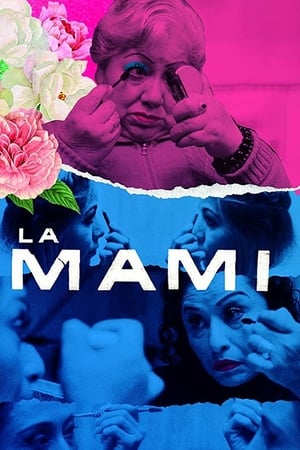
Short documentary about a transexual sex worker.
Documentation of the legendary all ages hardcore punk show held at a Jack Astor's Sports Bar & Grill during operating business hours in St. John's, Newfoundland. Featuring performances from local hardcore heavyweights Carnage, GlitterGlue, Buck 50'd, and the debut performance of Life Jolt.
When Sergio Chamorro and Daniel Cruz declared their cat Morris an eligible candidate in the municipal elections of Mexico's state of Veracruz, they thought of it as a joke. But the cat's surging popularity on social media made them reconsider. Now a leading candidate, Morris's political opponents are urging citizens not to vote for the feline.
Turn It Around: The Story of East Bay Punk spans over 30 years of the California Bay Area’s punk music history with a central focus on the emergence of the inspiring 924 Gilman Street collective. This diverse group of artists, writers, organizers and musicians created a do-it-yourself petri dish that changed the punk scene... and the world at large.
The Happy Child is a story of "New Wave" rock genre predominant in the ex-Yugoslavia during the socialist 70's and 80's.
The chronicles of punk rockers from three different countries (Canada, Brazil and Indonesia) and how their music ressonates with each other. By a series of musical and ideological exchanges, the film provides insight on the youth culture in each of the very different locales.