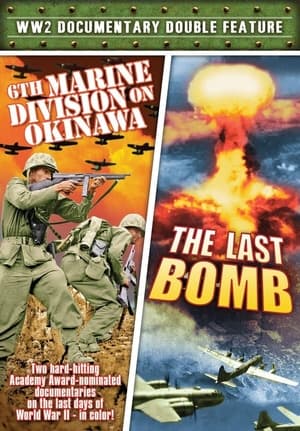
A documentary covering the actions of the 6th Marine Division on Okinawa during WWII.
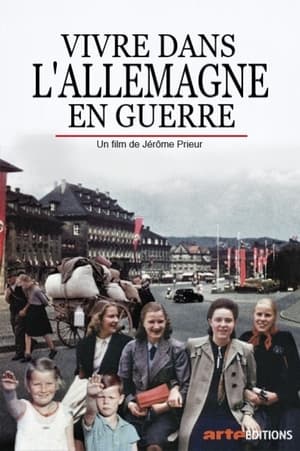
In the months and years following the end of the World War Two, Allied forces faced a series of bombings and attacks in occupied Germany. Nazi loyalists attempted to derail the rebuilding process by killing any Germans collaborating with the enemy. And the mysterious SS-Werewolves underground organization boasted of the coming rebirth of the Party.
Evocation of the Oradour-sur-Glane Massacre on 10 June 1944, when 642 of its inhabitants were slaughtered by a Nazi Waffen SS company, based on a visit to Diors' Museum of the Three Wars" and archive photographs.
Leiden von Frauen im zweiten Weltkrieg
This chilling, vitally important documentary was produced to mark the 40th anniversary of the liberation of Auschwitz Concentration Camp. The film contains unedited, previously unavailable film footage of Auschwitz shot by the Soviet military forces between January 27 and February 28, 1945 and includes an interview with Alexander Voronsov, the cameraman who shot the footage. The horrifying images include: survivors; camp visit by Soviet investigation commission; criminal experiments; forced laborers; evacuation of ill and weak prisoners with the aid of Russian and Polish volunteers; aerial photos of the IG Farben Works in Monowitz; and pictures of local people cleaning up the camp under Soviet supervision. - Written by National Center for Jewish Film
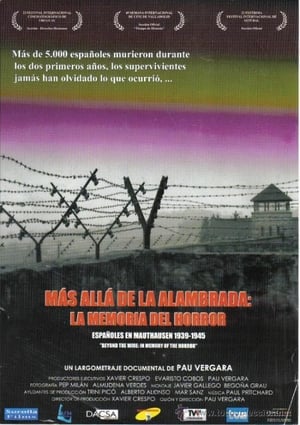
During World War II, the photographer Francisco Boix and other Spanish Republican prisoners of the Mauthausen concentration camp, where 120,000 people died, managed not only to survive their indescribable experience, but also, after the war, to reveal to the world what really happened in that hell, saving from destruction thousands of official photographs taken by the SS.
Told through beautifully restored original colour home movies and personal letters, this documentary offers a rare glimpse into life in Northern Ireland during World War II. Helen Ramsey Turtle was a young American mother living on an island outside Belfast. Her letters home to America reveal the horror of the Belfast Blitz, the buzz of American GIs arriving and her own deeply personal story of resilience and optimism in the face of an unexpected diagnosis.
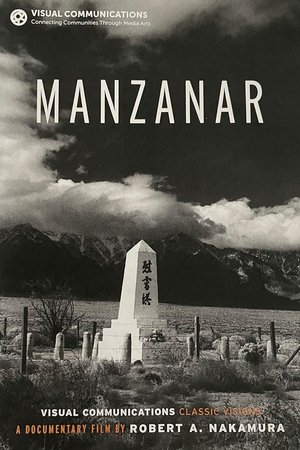
Americans refused to be drafted from the concentration camp at Heart Mountain, Wyoming. Ready to fight, but not before their rights as U.S. citizens were restored and families released.
Filmmaker Alain Resnais documents the atrocities behind the walls of Hitler's concentration camps.
Using animated maps and real footage, the film shows how Hitler systematically invaded and occupied one European country after another in 1939 and 1941
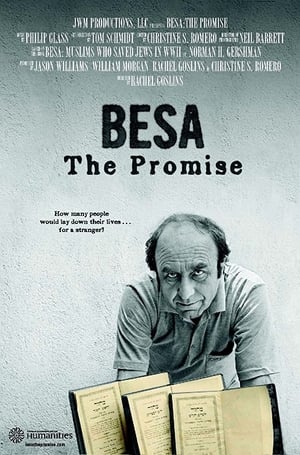
A documentary exploring how Albanians, including many Muslims, helped and sheltered Jewish refugees during WWII at their own risk, and trying to help the son of an Albanian baker that housed a Jewish family for a year return some Hebrew books that the family had to leave behind.
On June 10, 1944, the SS murdered nearly the entire population of the French village of Oradour. The ruins still stand, the population is buried in the cemetery. Only one person has ever been convicted of this crime: the former SS-Obersturmführer Heinz Barth.
The German railroad has been in operation since 1835, but the darkest chapter in German railroad history is often forgotten. Extensive original film material from the Nazi era shows the dubious role played by the Deutsche Reichsbahn during the Second World War and how little resistance there was among the railroad workers.
The role of African American soldiers during the World War II Allied invasion of Normandy.
Tony Robinson’s VE Day: Minute By Minute will take a unique look at a pivotal day in the history of the modern world, delving into the key events that made VE Day such a momentous twenty-four hours. This is the story of what happened on that most celebrated and important day, including original interviews with historians and veterans who tell their stories and share their first-hand experiences. Using unseen archive footage and stills, plus never told accounts from veterans who were there, this one-off special will chart the moment the clock struck midnight, to 24 hours later, when fighting officially stopped across Europe. Up and down the country it was dawning on people that they were waking up not with fear or anxiety, but with relief and excitement. This was a Great Britain no one had experienced for six years. A Britain at peace. At almost no notice street celebrations were being prepared and tens of thousands were flocking to London and other city centres.
Quando i tedeschi non sapevano nuotare
This film brings to life, thanks to unknown footage from the great American director William Wyler, an important period in the history of Corsica during World War II. In 1944, the Alto base near Folelli was home to both a group of fighter-bombers from the U.S. Army Air Force (the 57th Fighter Group) and the famous French Lafayette fighter group. Day after day, the young pilots of these two units took off from the Alto runway in their P-47 Thunderbolts to attack, strafe, and bomb the German troops who, in Italy, had halted the Allied advance at Monte Cassino and participated in the Provence landings in August 1944. Isabelle Clarke and Daniel Costelle tracked down the pilots, and sixty years later, these pilots are reunited...
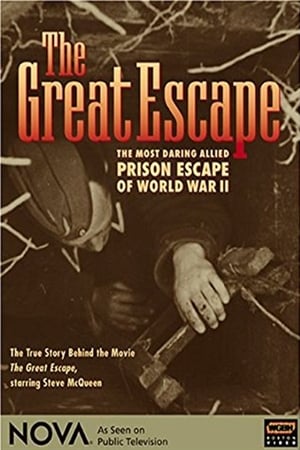
On March 24, 1944, in the heart of Nazi Germany, 76 British, Canadian, Norwegian and French pilots who were held in Stalag Luft III, a prison camp of the Luftwaffe, escaped. Unique testimony from the last survivors, recreations and today’s digital images sheds new light on the audacious escape.
An analysis of The Kindly Ones, Jonathan Littell's controversial novel, published in 2006, which dissects the ruthless mechanisms of the Shoah from the detached point of view of Maximilian Aue, a high-ranking Nazi officer.
When World War II broke out, John Ford, in his forties, commissioned in the Naval Reserve, was put in charge of the Field Photographic Unit by Bill Donavan, director of the soon-to-be-OSS. During the war, Field Photo made at least 87 documentaries, many with Ford's signature attention to heroism and loss, and many from the point of view of the fighting soldier and sailor. Talking heads discuss Ford's life and personality, the ways that the war gave him fulfillment, and the ways that his war films embodied the same values and conflicts that his Hollywood films did. Among the films profiled are "Battle of Midway," "Torpedo Squadron," "Sexual Hygiene," and "December 7."