Círculos
Semences : les gardiens de la biodiversité
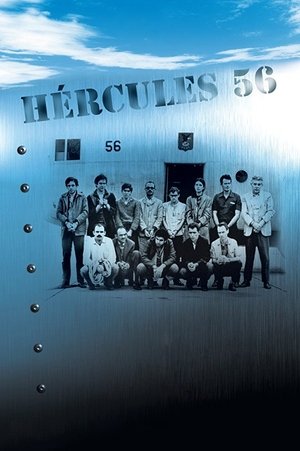
Documentary featuring contemporary interviews with 5 of the revolutionary activists who kidnapped US ambassador Charles Embrick in August 1969 in Rio de Janeiro and some of the political prisoners who were freed from prison in exchange of the ambassador's liberty and flown out of Brazil to Mexico in an army cargo airplane "Hércules 56".
To do this documentary, the director Pedro Henrique Fávero featured 42 characters - among MCs, DJs and producers - to make a detailed map of its kind in the country. Without mincing words, they speak openly here about 8 topics proposed by the film and try to understand Hip Hop in Brazil. The result is a collection of stories from a lot of fighting, where there are many eternal start-end-start, overcoming the difficulties of being understood and feeling of belonging to a group and many clichés.
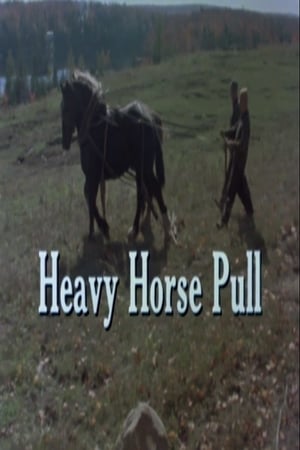
This short documentary illustrates rural French Canadian life in the early 1940s. The film follows Alexis Tremblay and his family through the busy autumn days as they bring in the harvest and help with bread baking and soap making. Winter sees the children revelling in outdoor sports while the women are busy with their weaving, and, with the coming of spring young and old alike repair to the fields once more to plough the earth in preparation for another season of varied crops. One of the first NFB films to be produced, directed, written and shot by women.
Škůdce
This documentary highlights the evolution of Brazil's Circo Voador venue from homespun artists' performance space to national cultural institution.
A documentary that exposes the shocking truths behind industrial food production and food wastage, focusing on fishing, livestock and crop farming. A must-see for anyone interested in the true cost of the food on their plate.
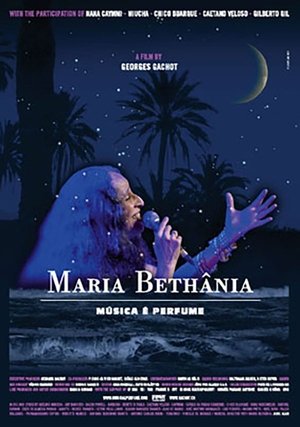
Brazilian singer Maria Bethania has a 40-year singing career. A documentary shows her concerts and famous family.
Filled with raunchy laughs, this documentary compiles outrageous scenes from sex-comedies that shaped Brazil's "pornochanchada" boom of the 1970s.
In this documentary Coutinho examines the plight of the people who live off the waste of the Brazilian cities. These people make their living by scavenging the immense urban garbage dumps searching for whatever they can find to sell as well as whatever they can find to eat.
Where are you, João Gilberto? sets out in the footsteps of German writer Marc Fischer who obsessively searched for the legendary founding father of Bossa Nova and last great musical legend of our time, Brazilian musician João Gilberto, who has not been seen in public for decades. Fischer described his journey in a book, Hobalala, but committed suicide one week before it was published. By taking up Marc Fischer's quest, following his steps one by one, thanks to all the clues he left us, we pursue João Gilberto to understand the history, the very soul and essence of Bossa Nova. But who can tell whether we will meet him or not?
"A Home On The Range" tells the little-known story of Jews who fled the pogroms and hardships of Eastern Europe and traveled to California to become chicken ranchers. Even in the sweatshops of New York they heard about Petaluma where the Jews were not the shopkeepers and the professionals, they were the farmers. Meet this fractious, idealistic, intrepid group of Eastern European Jews and their descendants as they confront obstacles of language and culture on their journey towards becoming Americans. Jack London, California vigilantes, McCarthyism, the Cold War and agribusiness all come to life in this quintessentially American story of how a group of immigrants found their new home, a home on the range.
The people, the scenery and the industrial traditions of the Stroud valley and the growth of the woollen industry.
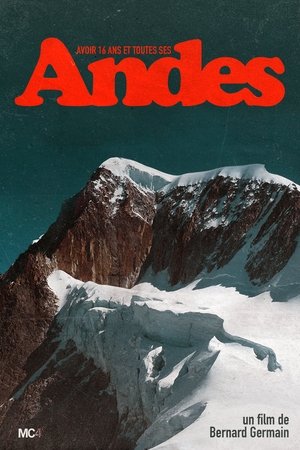
The Andes Mountains travel the western side of South America. Unlike many other mountain ranges of their altitude, the Andes do support human life on their high altitude slopes. Modern life is slowly making its way to the high altitude Andes, but the natives for the most part continue with the traditional ways of their ancestors, growing limited crops such as beans and potatoes - where the crop originated - raising sheep and pigs, and living in crude huts. The llama is the most useful of their work animals. The most conspicuous aspect of the native dress is their derby hats, the origins which are unknown. Further down the slopes, agriculture and ranching is more productive and is carried out by descendants of the Spanish settlers. There is a famous lake district in the Chilean part of the Andes, where resort hotels are located.
In barely a century, French peasants have seen their world profoundly turned upside down. While they once made up the vast majority of the country, today they are only a tiny minority and are faced with an immense challenge: to continue to feed France. From the figure of the simple tenant farmer described by Emile Guillaumin at the beginning of the 20th century to the heavy toll paid by peasants during the Great War, from the beginnings of mechanization in the inter-war period to the ambivalent figure of the peasant under the Occupation, From the unbridled race to industrialization in post-war France to the realization that it is now necessary to rethink the agricultural model and invent the agriculture of tomorrow, the film looks back at the long march of French peasants.
King Corn is a fun and crusading journey into the digestive tract of our fast food nation where one ultra-industrial, pesticide-laden, heavily-subsidized commodity dominates the food pyramid from top to bottom – corn. Fueled by curiosity and a dash of naiveté, two college buddies return to their ancestral home of Greene, Iowa to figure out how a modest kernel conquered America. With the help of some real farmers, oodles of fertilizer and government aide, and some genetically modified seeds, the friends manage to grow one acre of corn. Along the way, they unlock the hilarious absurdities and scary but hidden truths about America’s modern food system in this engrossing and eye-opening documentary.
The work mediated by digital apps and platforms is growing worldwide. But the advance of the “gig economy”, called in Brazil “uberization”, has aroused debates about the precariousness and intensification of work.
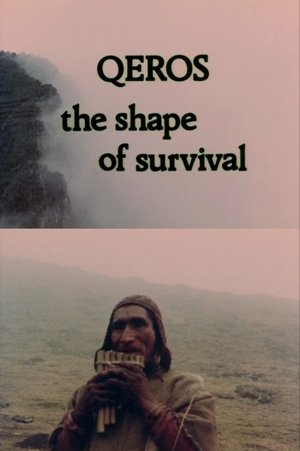
Exploration of the way of life of the Q’eros Indians of Peru, who have lived in the Andes for more than 3,000 years.
Clear-eyed and intimate, Farmsteaders follows Nick Nolan and his young family on a journey to resurrect his late grandfather’s dairy farm as agriculture moves toward large-scale farming. A study of place and persistence, Farmsteaders points an honest and tender lens at everyday life in rural America, offering an unexpected voice for a forsaken people: those who grow the food that sustains us.