Four documentary scenes with subtitles document the year 1917 as the beginning of a new era. In addition to the military situation and the supply situation in Germany, the intervention of the USA and the events in Russia are shown in particular.
On the Sorrento peninsula, orange and lemon groves stretch all the way to the coast. In the orange plantations, the high wooden frames are covered with mats to protect the trees from intense sunlight. The function of the artificial irrigation system is demonstrated. The oculation of trees is demonstrated in a young plantation. The oranges are cleaned on the spot, then sent to the laundry, cleaned, dried and made ready for dispatch. In a lemon plantation, many pickers stand on ladders on a tall tree and remove the fruit. The lemons are sorted, wrapped in tissue paper and packaged in home and large-scale factories. Before being exported, the goods are checked again for quality.
Mit Vollgas in den Tod
Filmmaker Alain Resnais documents the atrocities behind the walls of Hitler's concentration camps.
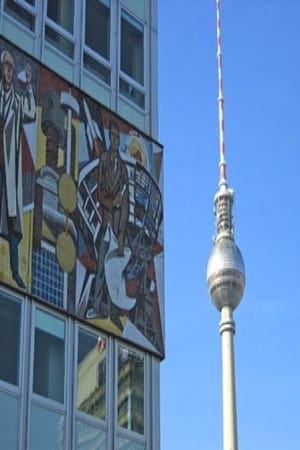
Guten Tag, RDA !
The real Great Escape didn't feature Steve McQueen racing through the Third Reich on a motorcycle like in the 1963 movie, but the big breakout was still thrilling in every way. This program sheds new light on the audacious escape of 76 Allied airmen from a Nazi POW camp during World War II.
One journalist described it as a chance "to see justice catch up with evil." On November 20, 1945, the twenty-two surviving representatives of the Nazi elite stood before an international military tribunal at the Palace of Justice in Nuremberg, Germany; they were charged with the systematic murder of millions of people. The ensuing trial pitted U.S. chief prosecutor and Supreme Court judge Robert Jackson against Hermann Göring, the former head of the Nazi air force, whom Adolf Hitler had once named to be his successor. Jackson hoped that the trial would make a statement that crimes against humanity would never again go unpunished. Proving the guilt of the defendants, however, was more difficult than Jackson anticipated. This American Experience production draws upon rare archival material and eyewitness accounts to recreate the dramatic tribunal that defines trial procedure for state criminals to this day.
Wolves divide and fascinate us. 150 years after they were driven to extinction in Central Europe, they are returning slowly but inexorably. Are they dangerous to humans? Is it possible to coexist? Using Switzerland as a point of departure, where wolves have returned in the very recent past, this documentary sheds light on the wolf situation in Austria, eastern Germany, Poland, Bulgaria, and even Minnesota, where freely roaming packs of wolves are more common sight.
Short Documentary on a political art performance in Berlin 2015 to fight against the "Bill for the Protection of Sexworkers" introduced by the German government that year.
This documentary explores the creation of the Holocaust Memorial in Berlin as designed by architect Peter Eisenman. Reaction of the German public to the completed memorial is also shown.
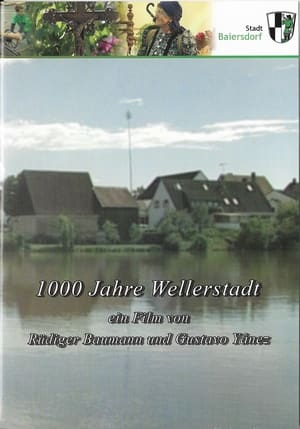
In a document from November 1st, 1007, Wellerstadt is mentioned for the first time verifiably. The royal couple Heinrich and Kunigunde make the plan to establish a diocese, with Bamberg at its centre. During the imperial synod in Frankfurt in 1007, the bishops approve the plan. Heinrich transfers his royal court Forchheim together with 14 villages, including Wellerstadt, to the diocese. As “Waldrichesbach”, Wellerstadt is not only presumably earlier mentioned in documents than Baiersdorf but is in fact older than Baiersdorf. A once presumably Thuringian settlement at the river Regnitz has by now become the district of the small Franconian town of Baiersdorf: Founded at a ford, destroyed during the Thirty Year’s War, rebuild, often flooded by the Regnitz, pushed back and forth between the diocese and the margraviate. Waldrichesbach has turned into Wellerstadt, an endearing small village in Middle Franconia.
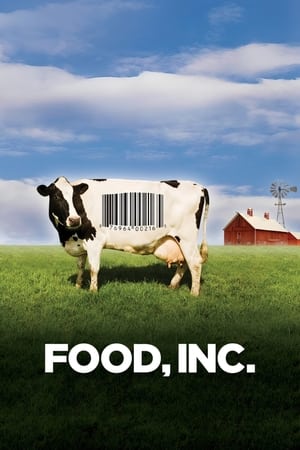
Documentary filmmaker Robert Kenner examines how mammoth corporations have taken over all aspects of the food chain in the United States, from the farms where our food is grown to the chain restaurants and supermarkets where it's sold. Narrated by author and activist Eric Schlosser, the film features interviews with average Americans about their dietary habits, commentary from food experts like Michael Pollan and unsettling footage shot inside large-scale animal processing plants.
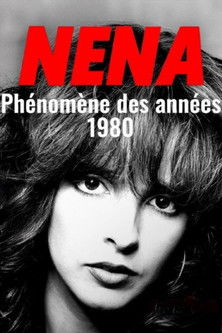
Born in 1960 in Hagen, North Rhine-Westphalia, Nena, whose real name is Gabriele Susanne Kerner, grew up under the influence of a father who encouraged her from childhood to follow her instincts. As a teenager, she tried her hand at music. It wasn't long before a band was formed, The Stripes. 99 Luftballons, their second single, launched Nenamania in Germany and around the world.
Documentary about women without papers, living in Germany and working as maids.
In the months and years following the end of the World War Two, Allied forces faced a series of bombings and attacks in occupied Germany. Nazi loyalists attempted to derail the rebuilding process by killing any Germans collaborating with the enemy. And the mysterious SS-Werewolves underground organization boasted of the coming rebirth of the Party.
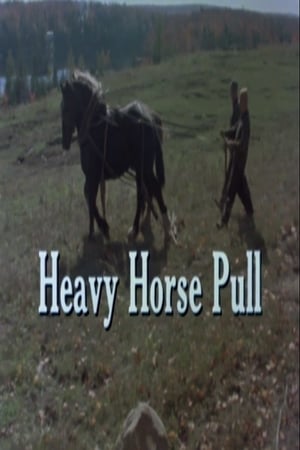
This short documentary offers a humorous look at horse-pulling contests in Ontario and the people who prepare for them. We travel from the farm to the contest, where excitement runs high and the quips do not lack in local colour. Which of these magnificent creatures will be able to pull the heaviest load and win the prize?
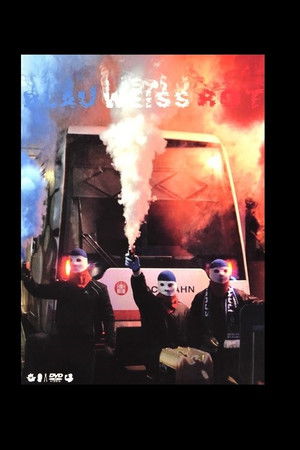
BlauWeissRot
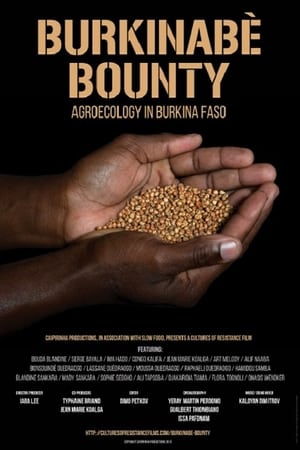
This documentary chronicles agricultural resistance and the fight for food sovereignty in Burkina Faso – a small, landlocked country in West Africa. Showcasing activist farmers, students, artists and leaders in the local Slow Food movement, the film looks at how the Burkinabé people are reclaiming their land and defending their traditions against the encroachment of corporate agribusiness. From women gaining economic independence by selling artisanal “dolo” beer, to youth marching in the streets against companies like Monsanto, to hip-hop musicians setting up their own farms and reviving the revolutionary spirit of Thomas Sankara through their music, Burkinabè Bounty shows the creative tactics people are using to take back control of their food, seeds, and future.
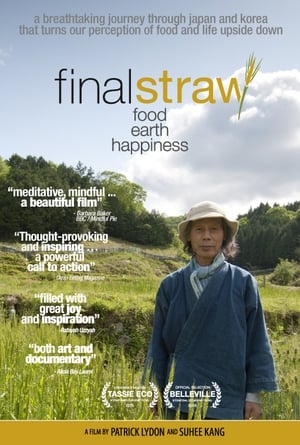
A deep and visually stunning survey of age-old ideas about food, ecological connectedness, and personal happiness. The film's warm cast guide audiences on a transformational journey through Japan, Korea, and the United States.
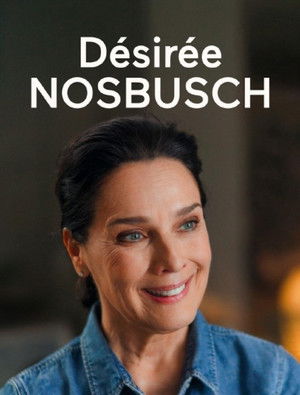
Luxembourgish presenter, director, producer, and actress Désirée Nosbusch, born in 1965, is a woman of many talents. After starting out in radio at the age of 12, she landed her first role on the big screen four years later, then presented the Eurovision Song Contest in five languages at the age of just 19. Over the years, she has hosted popular TV shows and starred in more than 30 films and TV dramas, establishing herself as a major figure in European cinema.