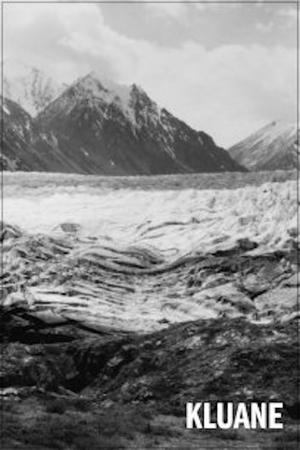
Kluane National Park is situated in the Yukon area of northern Canada and is a research paradise for glaciologists, geologists and other scientists. Mountaineers come to scale the impressive heights. Animals are free to roam, protected by stringent legislation. This film reveals many facets of this beautiful park, which has been declared a protected zone by UNESCO.
This short documentary offers a look at the life forms on the Queen Elizabeth Islands within the Arctic Circle. Even in this frigid zone of icebergs and glaciers a surprising variety of wildlife and vegetation is seen. Writings from the logbooks of early explorers provide vivid descriptions of scenes as arresting to them in their century as to today's explorer. Note: Originally produced for the television series Perspective, this film was distributed separately on 16mm for schools and libraries, qualifying it as a standalone documentary.
Three Frenchmen go out on their first polar expedition to the largest polar desert in the world. Sarek, in the north of Sweden.
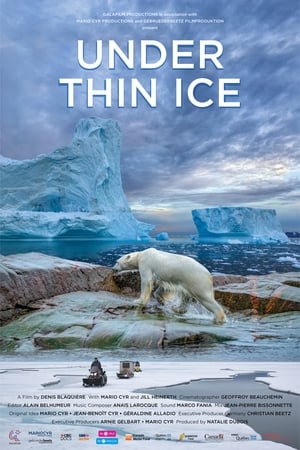
Two Canadian experts in underwater filming, Mario Cyr and Jill Heinerth, join forces for the first time to record how Arctic wildlife is adapting to the dramatic effects of climate change.
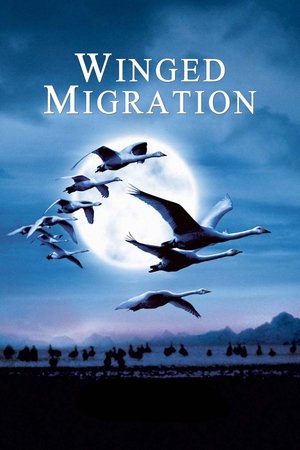
This documentary follows various migratory bird species on their long journeys from their summer homes to the equator and back, covering thousands of miles and navigating by the stars. These arduous treks are crucial for survival, seeking hospitable climates and food sources. Birds face numerous challenges, including crossing oceans and evading predators, illness, and injury. Although migrations are undertaken as a community, birds disperse into family units once they reach their destinations, and every continent is affected by these migrations, hosting migratory bird species at least part of the year.
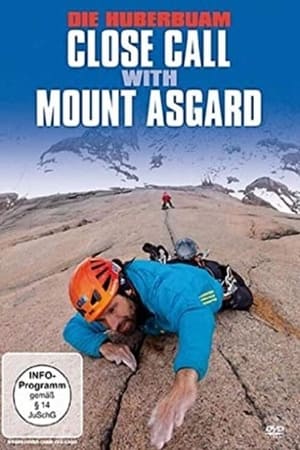
The climbing brothers Thomas and Alexander Huber (Germany) attempt to conquer free the infamous "Bavarian Direttissima" (upper tenth degree of difficulty) on the iconic Mt. Asgard on the Arctic Baffin Island (Canada). A 40 days expedition with polar bears, frostbite and climbing at the peril of their lifes.
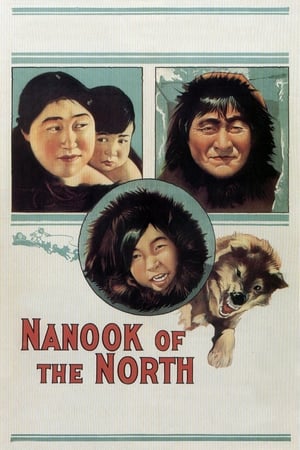
This pioneering documentary film depicts the lives of the indigenous Inuit people of Canada's northern Quebec region. Although the production contains some fictional elements, it vividly shows how its resourceful subjects survive in such a harsh climate, revealing how they construct their igloo homes and find food by hunting and fishing. The film also captures the beautiful, if unforgiving, frozen landscape of the Great White North, far removed from conventional civilization.
Ice climbing in the Arctic Region of Norway.
"Melting Lives - Victims of the New Weather" is a six-part documentary series in which the viewers meet people in the Arctic region who live close to and depend on nature for survival, and who struggle to maintain their way of life. Their tales are being heard and testimonies about how life is changing as the world gets ever warmer. The host, Samuel Idivuoma, is from northern Sweden. He visits Inuits on Greenland and in Alaska, aboriginal people in Canada and Nenets from the Siberian tundra in Russia
A short film produced during a photographic expedition of the Svalbard Archipelago. It takes the natural highlights of the expedition and includes Bråsvellbreen, Storøya, Alkefjellet, polar bears, walrus, and phenomenal seabird colonies.
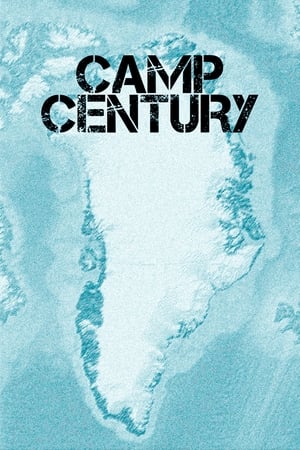
How in 1959, during the heat of the Cold War, the government of the United States decided to create a secret military base located in the far north of Greenland: Camp Century, almost a real town with roads and houses, a nuclear plant to provide power and silos to house missiles aimed at the Soviet Union.
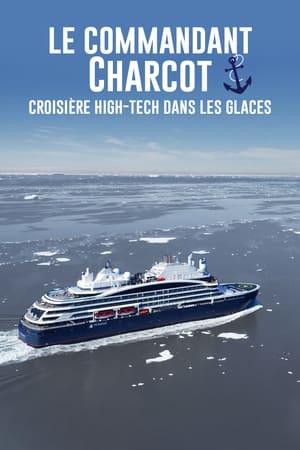
The newest addition to the PONANT fleet, Commandant Charcot is the world's first luxury ship capable of taking travelers to the heart of the polar regions. Six years of work were required to create this innovative marvel. From the initial sketches to the final interior fittings, the ship's design reflects the architects' and designers' constant focus on showcasing the beauty of the polar environment.
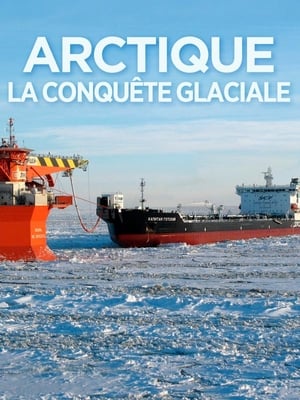
Dark fears over the North Pole. Long sheltered from large-scale industrial exploitation, the Arctic is now at risk of becoming the last El Dorado for major oil companies. This, combined with the melting of ice caused by global warming, poses enormous ecological risks: the impact of an oil spill, for example, would be incomparably more serious in this extreme climate than in any other part of the world.
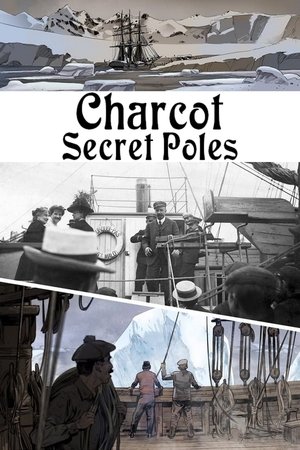
The adventures and exploits of Jean-Baptiste Charcot (1867-1936), an intrepid scientist and explorer who laid the foundations of modern oceanography.
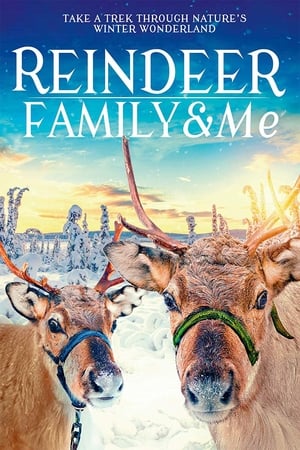
Wildlife cameraman Gordon Buchanan travels to the frozen north, deep inside the Arctic Circle, to meet the ancient Sami people and the animals they hold so close - reindeer.
Two parallel stories are gradually unfolding the everyday life of two very different persons - that of 86-year-old Sara and 7-year-old Mihka - both residing in Guovdageaidnu - Kautokeino, in the middle of the Norwegian arctic tundra, through the drastic change of the arctic seasons and the passage from the long winter’s darkness to the never-ending light of the summer season.
Every winter for decades, the Northwest Territories, in the Canadian Far North, changes its face. While the landscape is covered with snow and lakes of a thick layer of ice, blocking land transport, ice roads are converted to frozen expanses as far as the eye can see.
"Adrift" is shot on the arctic island of Spitzbergen and in Norway. It combines time-lapse photography with stop-motion animation of the landscape. Through camera-angles and framing the film gradually dislocates the viewer from a stable base where one loses the sense of scale and grounding.
Shot mainly using spy cameras, this film gets closer than ever before to the world's greatest land predator. As the film captures its intimate portrait of polar bears' lives, it reveals how their intelligence and curiosity help them cope in a world of shrinking ice.
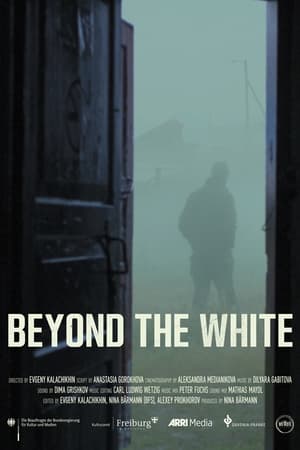
In Northern Russia, a few dozen people still live in their traditional houses surrounded by water, stone, and sand. Cut off from vital infrastructure, almost forgotten by regional governance, these people have to cope with their everyday struggles.