Movie about David Lama climbing the Patagonian mountain Cerro Torre for the first time free, a mountain that has been dubbed the most difficult to climb in the world.
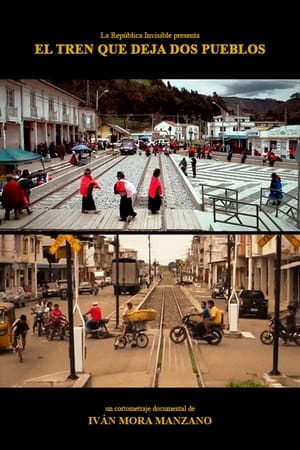
In Ecuador, in a single day, the train passes from the mountainous Andes to the tropical coast. The roads were built between 1861 and 1908 to connect the country. Until this date, the two regions live as separate countries, although the roads connect them in less than a day. The film is an observational work that talks about space and collective memory.
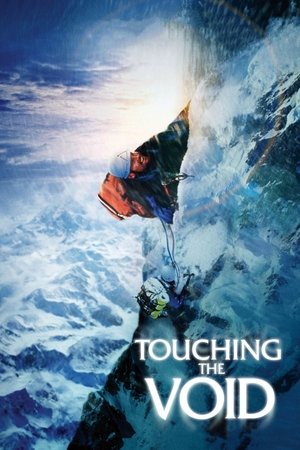
The true story of Joe Simpson and Simon Yates' disastrous and nearly-fatal mountain climb of 6,344m Siula Grande in the Cordillera Huayhuash in the Peruvian Andes in 1985.
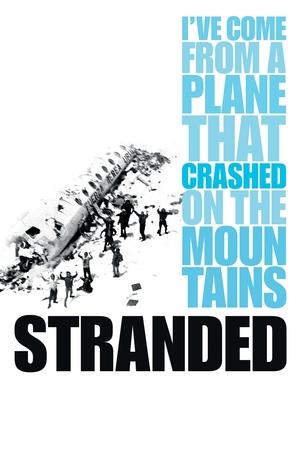
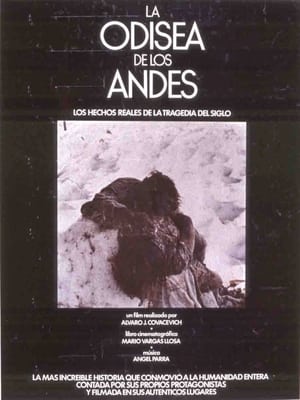
A documentary revolving around the 1972 crash of the plane carrying an Uruguayan rugby team; interviews with survivors and the families of victims.
On the border between Argentina and Chile, Katia Lafaille, widow of the mountaineer Jean-Christophe Lafaille, sets out on one of the hardest treks in the world. Thirteen days of joy and suffering, to conquer the summit of Mount Aconcagua, the 'Colossus of America', which stands at 6,962 meters... Trek movie, a roadmap of an exceptional human adventure, the film is to see for the breathtaking beauty of the landscapes and for the will of this woman who seems to have some accounts to settle with the mountain.
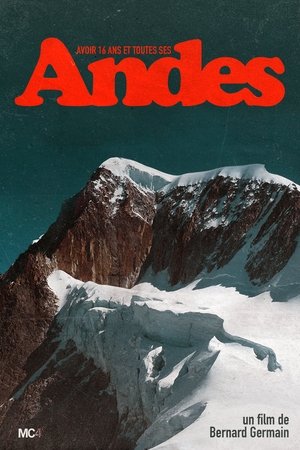
Avoir 16 ans et toutes ses Andes
Argentina: Del Norte Andino a la Tierra del Fuego
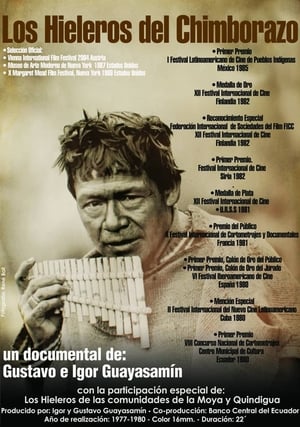
Since colonial times, the indigenous people of the Andean mountains have ascended to peaks that reach 5,200 meters above sea level. There, they crush gigantic blocks of ice that carry on their backs to sell them later in the fairs of Riobamba and Guaranda. The film shows the living conditions of the communities that live from this activity.
A documentary fiction in the form of a diptych, about solitude, nostalgia and waiting. On the high plateaux of the Andes in Venezuela, the seventy-year-old mule-driver Saturnino has only one friend, his donkey Turmero. Filomena, seventy eight years old, is waiting against for the return of her husband.
The story, told by the survivors, of a group of young men, members of a Uruguayan rugby team, who managed to survive for 72 days, at an altitude of almost 4,000 meters, in the heart of the Andes Mountains, after their plane, en route to Chile, crashed there on October 13, 1972.
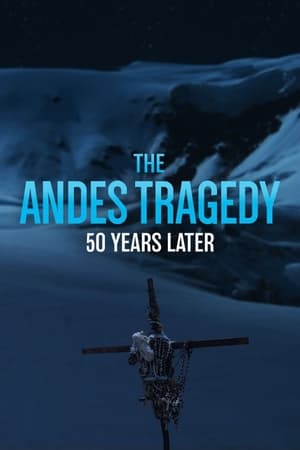
In 1972, a plane carrying an Uruguayan rugby team disappeared into the Argentinean Andes. Now, 50 years after one of the greatest ordeals of survival in recorded human history, the full story is finally comprehensively told through the words of each of those who lived it.
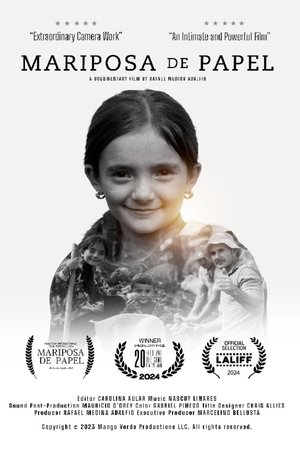
Mariposa de Papel is a powerful and intimate two-sided documentary film that portrays the daily routine of a family of Andean farmers and the hard work of transferring agricultural fairs to the centre of Venezuela.
In June 1978, Patrick Vallençant made the first ski descent of the southeast face of Artesonjaru in Peru, in the Cordillera Blanca, 6,000 meters above sea level and 60° of slope. He left Huaraz on horseback, a donkey carrying his equipment. While crossing Cajas, the last village on the trail to Lake Paron, he was greeted by Victor and Cesar, two Indians who accompanied him to the lake. The climb to the summit was tiring, requiring as much effort from his arms as from his legs. The beginning of the descent was hesitant, the slope extremely steep. He achieved his feat on June 9, his thirty-second birthday.
There was once, in 1910, a train able to cross the wild territories between Argentina and Chile, making possible a mythical journey, joining two oceans with a single ticket, from Buenos Aires to Valparaiso. The last trip of the BAP was in 1979; in the nineties, its various branches were permanently abandoned. Since then, travelers have been inhabiting the railway landscape as they dream, desire, remember or yearn: as part of their own being and national history.
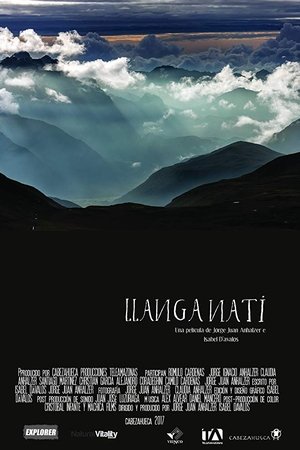
The documentary follows an expedition led by the adventurer and photographer Jorge Juan Anhalzer, in the heart of the Llanganati, in search of the enormous Inca treasure hidden in the Ecuadorian mountains.
Los Nevados is the first peasant feature film from Venezuela. The magical poetry about humans who endure an almost animal, almost instinctive, almost sad existence, which turns into a complaint.
Thirty years later, Freddy Siso returns to Los Nevados to complete this documentary, once again portraying a reality marked by abandonment, oblivion, and faith. Faith in the land, faith in God, and faith in Saint Isidore. Through patient observation and reflection, the film revisits a community suspended in time, where devotion and memory persist despite decay and neglect.
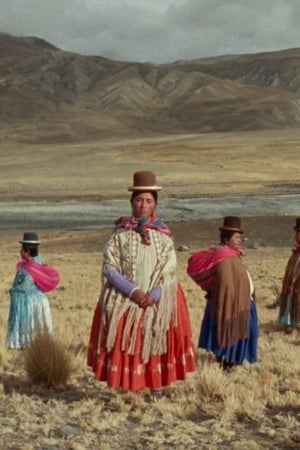
Bolivia's Climbing Cholitas - a group of indigenous women scaling the Andes Mountains, some of the highest peaks in the world. Shot in Bolivia for Vogue Latin America and Vogue Mexico's 20th anniversary cover story.
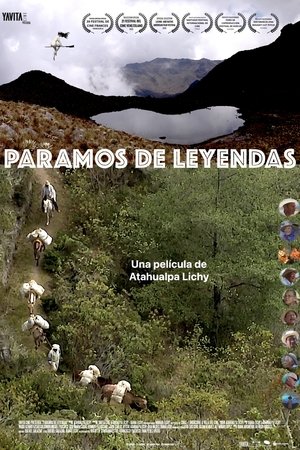
At the highest point of Venezuela, where the fog envelops the memory of time and the wind whispers ancestral tales, Páramos de Leyendas reveals, through portraits of muleteers and peasants, the courage of those who braved the heights and the relentless cold, often barefoot and wearing only a poncho. In this hostile environment, tough personalities were forged, but with an unparalleled spark of humor and wisdom.
History of the first ascent of Aconcagua by the south face in February 1954 by the French shock team led by René Ferlet and composed of Lucien Bérardini, Adrien Dagory, Edmond Denis, Pierre Lesueur, Robert Paragot and Guy Poulet. In seven days of combat, they extricate themselves from the mountain in a pitiful state; all except Robert Paragot will be victims of severe frostbite which earned them amputations, some important as for “Lulu” Bérardini who lost part of his left hand.