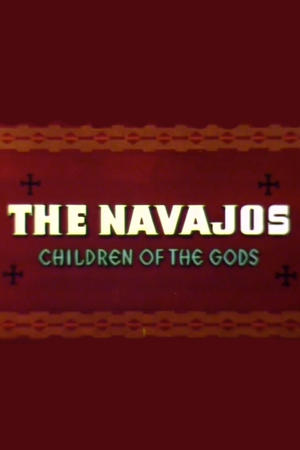
The story of the Navajo, at work and play, in the Southwestern United States, and in particular, in scenic Monument Valley. The film focuses on a typical Indian family, its daily life, struggles, and folkways, as every aspect of living is governed by Navajo gods and legends.
The Indigenous peoples of northern British Columbia still hunt and fish, using a combination of traditional ways and modern equipment and techniques where appropriate. Lumbering and trapping bring them money and goods. Their traditional arts and crafts, however, remain essentially unchanged. This archival film reflects the social and cultural values and beliefs prevalent at the time of production.
Set against the unforgettable beauty of Haida Gwaii (formerly known as the Queen Charlotte Islands), Memories of Earth takes viewers on a journey guided by traces of the past. The film records the meeting of two artistic worlds: that of the Haida, an indigenous people whose cultural life and mythology bespeak their belief in a tangible link between the real and the imaginary, and that of Frédéric Back, a master of animated film and committed humanist, whose works is an appeal to respect all things created. Through the magic of animation, the documentary casts fresh light on the legends and spirituality of the Haida.
Contrasting ancient myth and modern reality, this short documentary examines the legendary relationship between West Coast Indigenous people and salmon, once their staple food. In the mythical realm, we learn how Raven finds riches in the harvest of the salmon, only to lose everything through a thoughtless act against the Spirit of the Salmon. So too does modern man jeopardize his living from the sea by heedless action. Images of ancient spear-fishing and smoke-houses contrast with images of today's Indigenous people operating a seiner and working in a cooperative cannery.
Meet Vern Harper, Urban Elder, who walks the "Red Road" in a fast-paced, urban landscape. The camera follows Vern as he leads a sweat lodge purification ceremony, watches his 11-year-old daughter Cody at a classical ballet rehearsal, conducts a private healing ceremony, participates in a political march of 150,000 people, and counsels Indigenous prisoners at Warkworth Federal Prison.
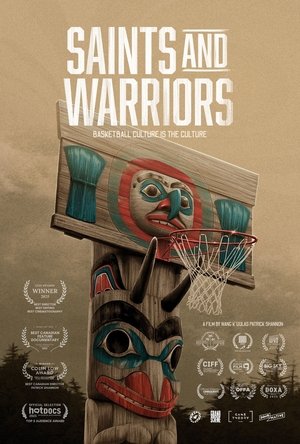
Throughout the course of the Haida basketball season, leaders of iconic rez ball team the Skidegate Saints compete for two titles - defending their All Native Basketball Championship, while also battling for title to their land and waters with the government that stole it from them with the Indian Act.
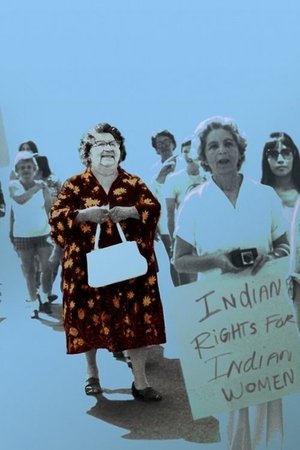
After marrying a settler, Mary Two-Axe Earley lost her legal status as a First Nations woman. Dedicating her life to activism, she campaigned to have First Nations women's rights restored and coordinated a movement that continues to this day. Kahnawake filmmaker Courtney Montour honours this inspiring leader while drawing attention to contemporary injustices that remain in this era of truth and reconciliation.
Profile of the Haida artist Bill Reid
Three intrepid women battle for Indigenous women's treaty rights.
Anishinaabe elders of the Curve Lake First Nation reflect on the history, decline, and return of the traditional food gardens that connect their culture, land, and contemporary life.
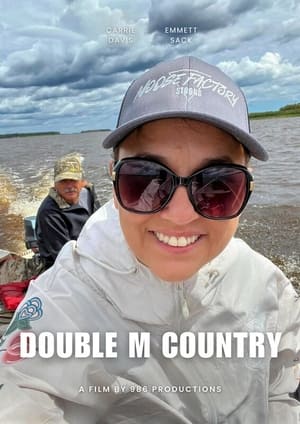
Carrie Davis was part of the child removal system near the end of the Sixties Scoop. With guidance from her uncle Emmett Sack and the community, Carrie reconnects to their land, language, and culture.
Cyclone Tracy 40 years on, exploring the myths and revealing new perspectives on one of the worst natural disasters in Australia's history.
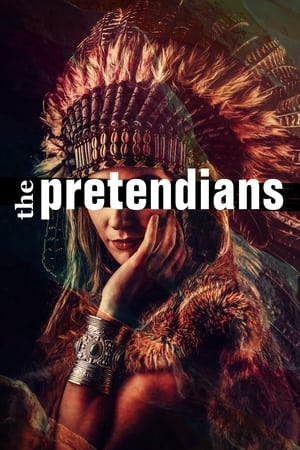
Anishinaabe author Drew Hayden Taylor investigates how — and why — Indigenous identity, culture and art are being appropriated by those who are not First Nations.
Documentary about the production of Bunk #7.
Nose and Tina are a couple in love. The film captures the domestic details of their life together and documents their hassles with work, money and the law. The unusual bit: He is employed as a brakeman, and she as a sex worker.
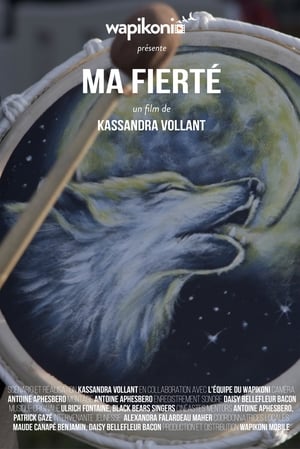
Spontaneous portrait of an endearing and cheerful teenager living in balance between traditionalism and modernity. She presents her regalia to us and we share her pride in being Innu.
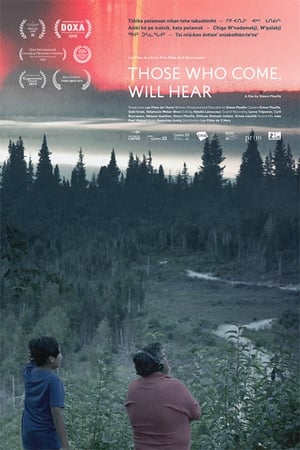
The documentary proposes a unique meeting with the speakers of several indigenous and inuit languages of Quebec – all threatened with extinction. The film starts with the discovery of these unsung tongues through listening to the daily life of those who still speak them today. Buttressed by an exploration and creation of archives, the film allows us to better understand the musicality of these languages and reveals the cultural and human importance of these venerable oral traditions by nourishing a collective reflection on the consequences of their disappearance.
Legendary Canadian documentarian Alanis Obomsawin digs into the tangled history of Treaty 9 — the infamous 1905 agreement wherein First Nations communities relinquished sovereignty over their traditional territories — to reveal the deceptions and distortions which the document has been subjected to by successive governments seeking to deprive Canada’s First Peoples of their lands.
In 1885, German Zoo owner Carl Hagenbeck hired nine Aboriginal men from Bella Coola to perform their dances and songs for German audiences. The nine dancers spent one year in Germany performing in zoos and theatres in 22 cities. During summer 2005, the Canadian filmmaker Barbara Hager came to Germany to retrace the steps of the nine Nuxalk men on their original 13 month long tour.
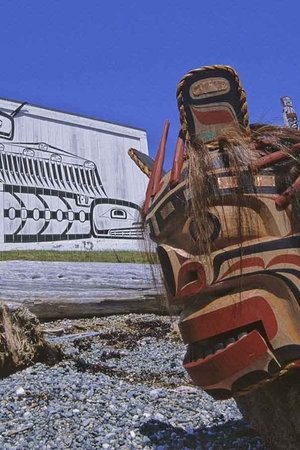
In 1921 the Kwakiut'l people of Alert Bay, British Columbia, held their last secret potlatch. In 1980 at Alert Bay, the U'mista Cultural Centre (U'mista means "something of great value that has come back") opened its doors to receive and house the cultural treasures which were seized decades earlier and only then returned to the people. The center also took up activities such as recording stories told by elders so that some part of the past would always be alive and teaching children about their heritage in order to make them feel connected to their ancestors. This film documents the cultural significance of these events for today's Kwakiut'l people. It is an eloquent testimony to the persistence and complexity of Kwakiut'l society and to the struggle for redefining cultural identity for them.