In a violent relationship, it takes a mother’s strength to save herself and her children from the man she loved. Once Were Warriors is a violent love story set against a contemporary urban backdrop.
An intimate study of two women friends who come to each other because of troubles with everyday life and with men and thus try to enjoy a life based on their ideas.
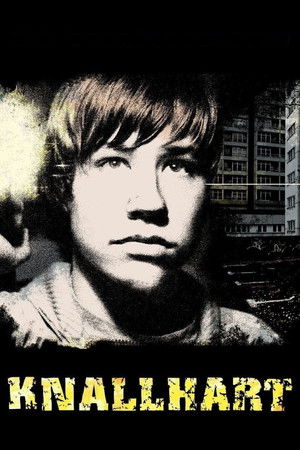
From the youth directed novel of the same name by Greogor Tressnow comes a film by Detlev Buck that is a realistic portrait of life in the section of Berlin called Neukölln. It’s about power and weakness, delinquents and victims, and the difficulties a 15-year-old faces in a poor and criminal environment.
The only cure of being jobelessness, unhappy and hopelessness is friendship, life is beautiful together.
Kuhle Wampe takes place in early-1930s Berlin. The film begins with a montage of newspaper headlines describing steadily-rising unemployment figures. This is followed by scenes of a young man looking for work in the city and the family discussing the unpaid back rent. The young man, brother of the protagonist Anni, removes his wristwatch and throws himself from a window out of despair. Shortly thereafter his family is evicted from their apartment. Now homeless, the family moves into a garden colony of sorts with the name “Kuhle Wampe.”
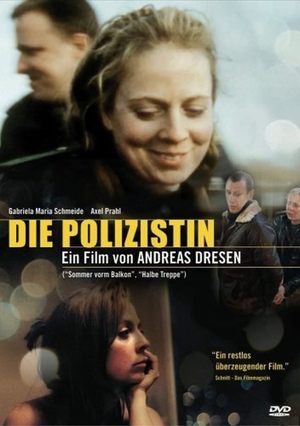
A young police woman is faced with the difficulties between her responsibilities at work and her personal responsibilities.
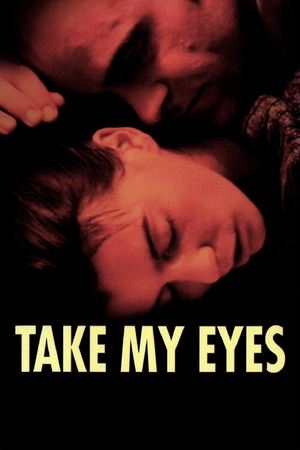
One winter night, Pilar runs away from home. With her, she takes only a few belongings and her son, Juan. Antonio soon sets out to look for her. He says Pilar is his sunshine, and what's more, "She gave him her eyes"...
Two childhood friends are recruited for a suicide bombing in Tel Aviv
Davor is an IT technician who sees the solution to his troubles in going to Canada. On the same day he receives an email that his work visa has been approved, Lana happens to see it too. While he is worrying about how to tell her he’s going to Canada, she is planning a confrontation, frustrated by his secrecy and the depression that have plagued her for months.
A boy living in underdeveloped Welsh village hopes for a better time of his homeland when seeing the two Japaneese businessmen with the apparent intentions to build a factory there.
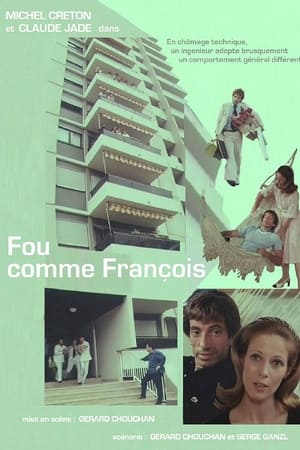
Marseille. The director of a company offers a promotion to Francois (Michel Creton) if he accepts to help him fire all the staff from his office. If he refuses, he will himself be fired. Francois opts for the latter. He registers as unemployed and discovers what he has lacked so far in his life: a certain freedom. His habits are changing as well as his attitude towards the others changes ... Luce (Claude Jade), his wife, and Marquerite (Courtois Queen), her stepmother, are surprised: why he is not himself anymore?
It's mom's birthday and her three daughters want to throw a big party. But everything turns out differently. It's not just because the divorced dad arrives a few days early and brings his much-too-young new girlfriend with him, or because the birthday girl has to stage the end of the world with her village theater group.
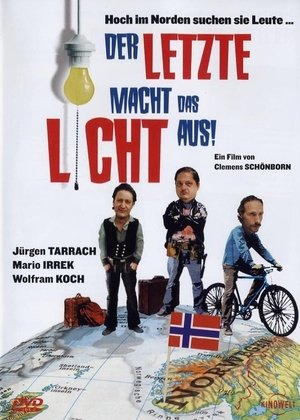
The Berlin construction workers Micha, Silvio and Norbert are out of work. The way out spells - Norway. Because German craftsmen are in demand. The three, with 17 other desperate people, are bawling Norwegian and preparing themselves for "it's always just salmon" and fearing the darkness. Too bad that their wives have other plans.
A heroin junkie works as a prostitute to support his habit and fund an abortion needed by the girlfriend of his lesbian wife. His seedy encounters with delusional and damaged clients, and dates with drag queens and hustlers are heavy on sex, drugs and decadence.
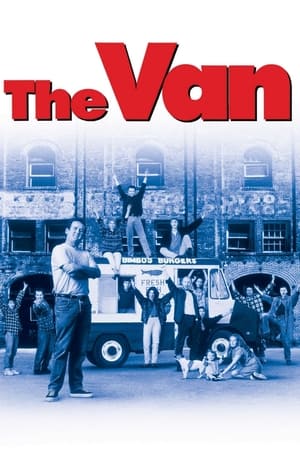
In a working-class quarter of Dublin, 'Bimbo' Reeves gets laid off from his job and, with his redundancy payout, buys a van and sells fish and chips with his buddy, Larry. Due to Ireland's surprising success at the 1990 FIFA World Cup, their business starts off well, but the relationship between the two friends soon becomes strained as Bimbo behaves more like a typical boss.
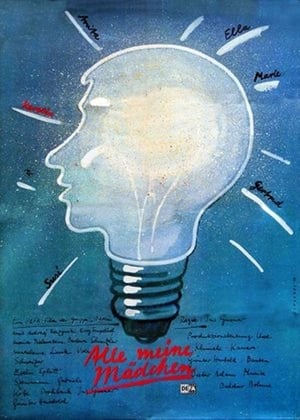
Ralf Paeschke is a film student who has to make a documentary film about a group of women working in a lamp factory. There is brazen Susie, mischievous Kerstin, lonely Anita, single Ella, withdrawn Gertrud and the imposing forewoman. When Kerstin is suspected of stealing, tension among the women mounts. Ralf demands that things be clarified, and his film plays an unexpected role in the matter.
An advertising man is slowly sliding downhill. When he is fired from his job in Detroit, he signs up for unemployment. One day they find him a job: teaching thinking skills to Army recruits. He arrives on base to find that there is no structure set up for the class.
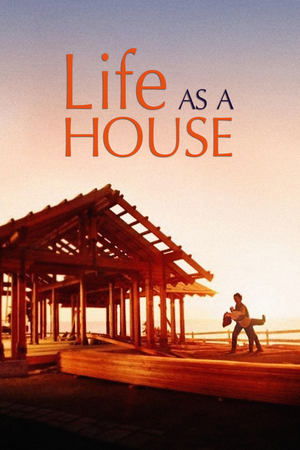
When a man is diagnosed with terminal cancer, he takes custody of his misanthropic teenage son, for whom quality time means getting high, engaging in small-time prostitution, and avoiding his father.
Young, impulsive Rosetta lives a hard and stressful life as she struggles to support herself and her alcoholic mother. Refusing all charity, she is desperate to maintain a dignified job.
John Smith, a middle-aged married man, is made redundant by his employer; at a loss and despairing, his friend Harry Jones suggests applying to the Embankment Fellowship Centre, a charity that provides hostelling, retraining and help finding work for men in his position.