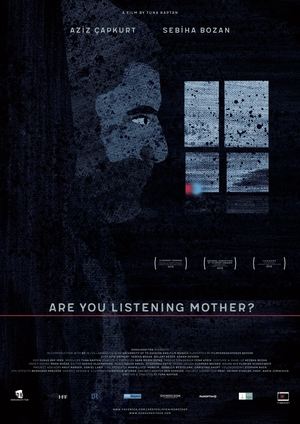
After returning from work, a man stands in front of the mirror and starts making excuses. Words that gradually reveal truths and remove masks.
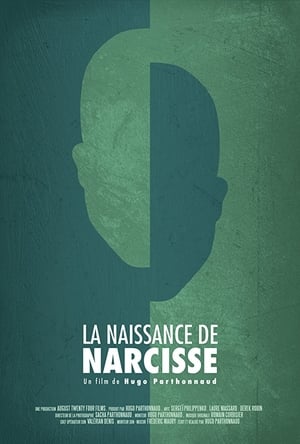
Just as Necrón resigns himself to never completing his book, a mysterious mirror arrives at his door, beckoning him. From that night on, inspiration comes to him unannounced, cloaked in mystery. Yet when the mirror has shown him every face he wears, will Necrón find the courage to confront his own demons?
A documentary-style capturing of the life of Ab, a young struggling artist trying to find her way, all while dealing with unwanted company.
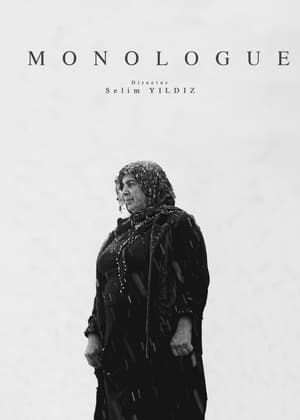
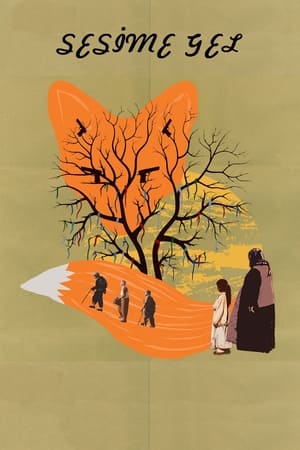
In a snowy Kurdish mountain village, in the east of Turkey, an old woman Berfé and her granddaughter Jiyan are distressed. The only man in the household, Temo, the son of one and the father of the other, was arrested by the Turkish military. The commanding officer has been told that the villagers are hiding weapons, so he arrested all the men and announced that they will be kept in prison until their families hand over the weapons. The problem is that there are no weapons in the village. Desperate, Berfé and Jiyan embark on a long journey, in search of a gun which they could exchange for their beloved Temo. Will the old woman and her innocent granddaughter find a way out of the inextricable Kurdish identity conflict?
Young girl from the suburbs gets knocked up and ends up tripping out in an East Village drug den.
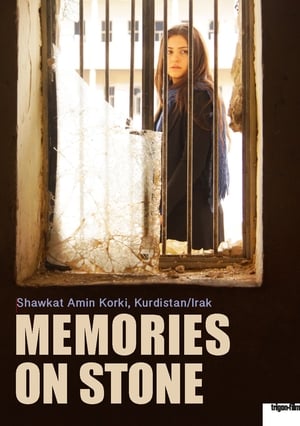
In the winter of 1988, in the depths of the Iraq/Iran war, the border town of Halabja was attacked by chemical weapons with all its people and their different stories.
This film is about what the routine of everyday life can do to the human mind and psyche. It also reflects on the importance of the choices we make and how limited these choices are in the first place. The plot evolves around a family of four. They live in the suburbs, in a strange villa that appears, through a complex game of mirrors, to be more like a piece of installation art than a real house. The main character, who hardly appears on screen, is the son, a man in his thirties. Suffering from asthma and eczema since childhood, he uses his condition to manipulate his parents and his sister. Thus the existence of the terrorized family turns into an endless ritual of attempting to satisfy his whims, and always on the alert for yet another one of his “health crises”. Las Meninas resembles the scattered pieces of a puzzle. It is up to the viewer to assemble them in order to form his very own picture – something that makes the film itself personal and unique.
"Nû Jîn", New Life, with the slogan ' Woman is life. Life is resistance and resistance is Kobanê', depicts the daily life of women guerillas, Elif Kobanê (18), Vîyan Peyman and Arjîn, joining in the Women's Protection Units (YPJ) in their battle against ISIS. The documentary relates the ISIS assault of 15 September 2014 and the five-month resistance by the YPJ and People's Defense Units (YPG) through the lens of three women fighter
In this anthology, three stories connect through one place: the Dream Inn. A former drug addict, a frustrated journalist and a man searching for his missing wife are drawn to the mysterious place and with the help of its enigmatic staff, The Janitor and The Recepcionist, they will have to face the consequences of their deepest desires.
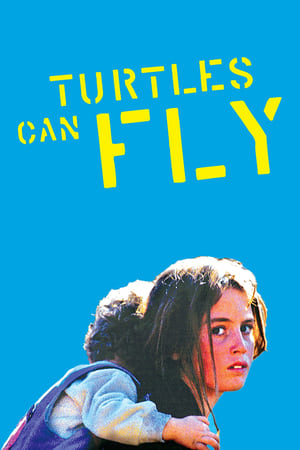
Turtles Can Fly tells the story of a group of young children near the Turkey-Iraq border. They clean up mines and wait for the Saddam regime to fall.
A man falls in love with a beautiful young woman and begins to suspect that he may have also loved her in a previous life.
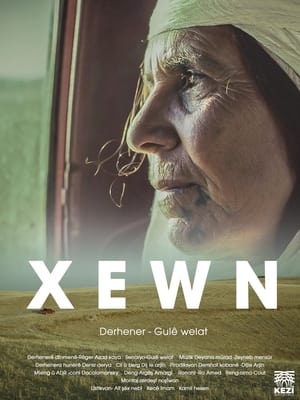
Sivan Encü, a young Kurdish man, provided for his family by "smuggling" through the Turkish-Iraqi border. When he was murdered in the 2011 Robozik (Roboski) Massacre, the responsibility of family's welfare was taken over by his younger brother Sinan, who lost his life in an unfortunate accident. This is the story of their grief-stricken mother Heyam and her resilience. Alongside Heyam's struggle, the film brings the voices of Robozik elders and notables to the forefront, who have experienced first-hand the social, political and economic dimensions of smuggling, which has been the backbone of survival for the locals for many generations.
When five Kurdish prisoners are granted one week's home leave, they find to their dismay that they face continued oppression outside of prison from their families, the culture, and the government.
Does the mirror reflect reality or is it a window into the fears of the observer? After just another day, when bullying becomes too much, what can Alice do? What defines her as a freak?
Entrapped by a fractured mental state, A heartbroken young woman is greeted by the presence of something sinister in her mirror. Encased desires and the sickly sweetness of apples are enough to unearth her.
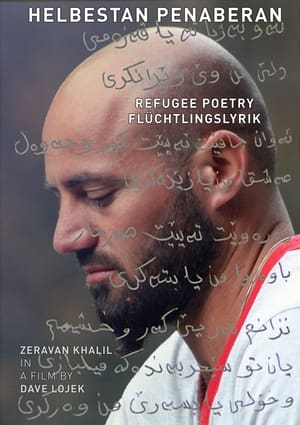
The Kurdish Iraqi poet and actor Zeravan Khalil travels with his dog through an Alpine gorge after fleeing from IS war and genocide. As he remembers the abomination, he writes a poem with the title “You drive me mad” in Kurmanji Kurdish. In his home country, Yazidic Kurds are forbidden to work in his profession. Then he eats his apple and wanders through Europe’s middle with more hope.
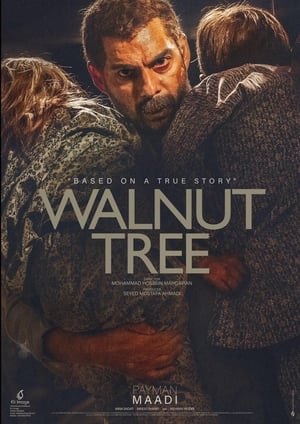
Qader, a bricklayer from Sardasht in Kurdistan Iran whose wife is pregnant with her 4th child, suddenly found himself amid a war crime perpetrated by the Saddam regime. On June 28th, 1987 Iraqi air fighters dropped mustard gas bombs on the city...
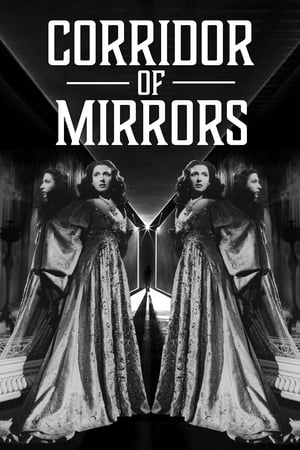
The plot revolves around two completely different and distant women — a nurse and a fashion model — who are haunted by their own spectre after going through the same experience: they can no longer see their reflections in the mirror.
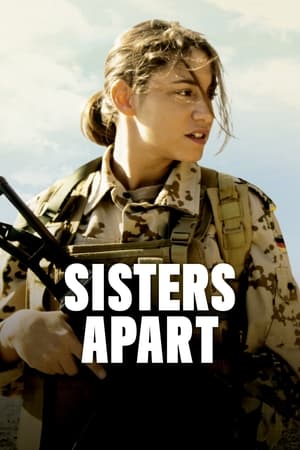
Rojda, a native of Iraqi Kurdistan and a soldier in the German army, travels to a refugee camp in Greece where she manages to meet her mother, who has bad news about her sister Dilan.
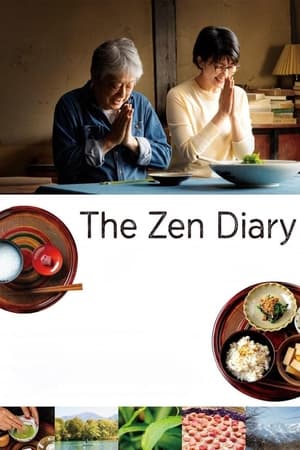
An essayist, he finds peace in his mountain life. His routine is pleasantly disturbed by occasional visits from Machiko, his editor and love interest, as he struggles to let go of his late wife's ashes.