Disciplined Italian composer Antonio Salieri becomes consumed by jealousy and resentment towards the hedonistic and remarkably talented young Salzburger composer Wolfgang Amadeus Mozart.
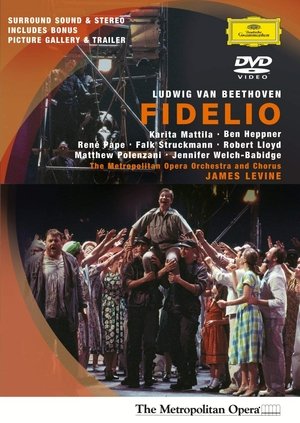
Two years prior to the opening scene, the nobleman Florestan has exposed or attempted to expose certain crimes of the nobleman Pizarro. In revenge, Pizarro has secretly imprisoned Florestan in the prison over which Pizarro is governor. The jailer of the prison, Rocco, has a daughter, Marzelline, and a servant (or assistant), Jaquino. Florestan’s wife, Leonore, came to Rocco’s door dressed as a boy seeking employment, and Rocco hired her. On orders, Rocco has been giving Florestan diminishing rations until he is nearly starved to death. Place: A Spanish state prison, a few miles from Seville; Time: Late 18th century.
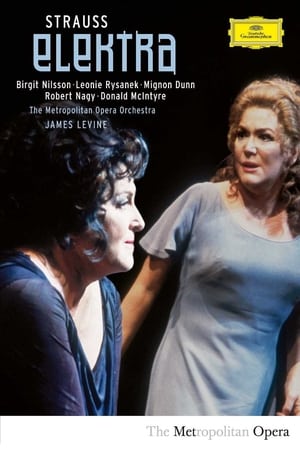
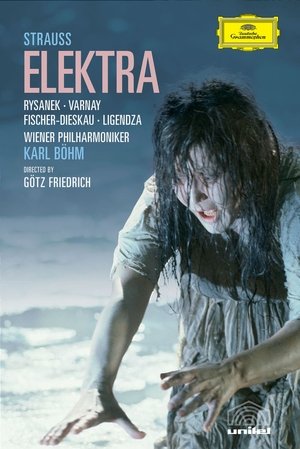
It's hard to imagine confirmed Straussians not wanting this starry Metropolitan Opera performance of Elektra. Strauss and his librettist, Hugo von Hofmannstahl, transformed Sophocles' take on Homer's tale into a harrowing opera noir. Elektra lives for one reason, to kill her mother, Klytämnestra, and her stepfather, Aegisth, the murderers of her father, Agamemnon. In contrast to Elektra's vengeful obsession, her sister Chrysothemis desires to get on with life. When their long-missing brother, Orestes, returns to do the deed, Elektra celebrates with a dance of death and, her sole purpose in life fulfilled, dies. Strauss joined the hermetic plot to music of the utmost opulence, violent and yearning by turns, evoking the cardinal principles of Greek tragedy - pity and terror.
Car Men is a collaboration between the renowned choreographer Jíri Kylían and filmmaker Boris Paval Conen. Based on the opera 'CARMEN' by Georges Bizet they shot a hilarious and poetic short film in the destroyed landscape of a Czech brown coal mine. The actors in this film are older dancers from Kylían's troupe (around 50 years old) and the main prop is a 'TATRA 87', a famous car from 1937.
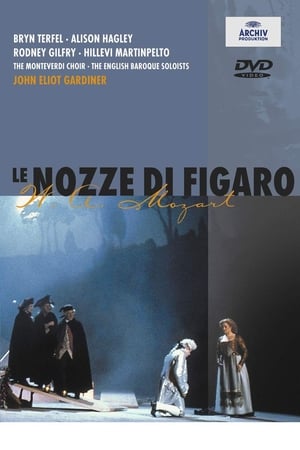
This is a good video of "Figaro", but there are a couple of better ones available. The Bohm and the Pappano are better still due to the female members of the casts. The reason for buying this one is the "Figaro", Bryn Terfel. No one can top him today in that role. John Eliot Gardiner also stands out. Many of us have voiced their opinion that If the Metropolitan Opera would release it's 1998 version, that would be the one to get.
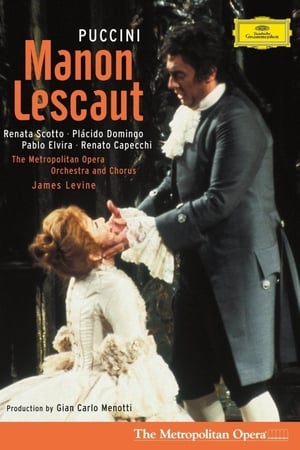
All the throbbing eroticism—and ultimate heartbreak—of Puccini’s youthful score is unleashed by James Levine and his top-flight cast. Plácido Domingo is Des Grieux, the handsome, headstrong young aristocrat who falls head over heels for the enticing, impetuous Manon Lescaut (Renata Scotto). Manon returns his love, but her obsession with luxury ruins them both. Gian Carlo Menotti’s opulent production, with sets and costumes by Desmond Heeley, superbly captures the colorful world of 18th century France.
Based on a revolutionary play supposedly written by the Eternal President of the Democratic People's Republic, Kim Il-sung, and rumored to have been co-directed by Kim Jong-il. This revolutionary work is also popular among the Chinese, especially those who lived through the Cultural Revolution, and have fond memories of revolutionary antics.
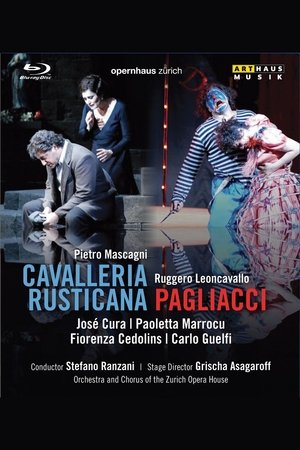
Pietro Mascagni's opera recorded in 2009. Conductor Stefano Ranzani leads the orchestra and chorus of the Zurich Opera House, with performances by Argentinian tenor Jose Cura and soprano Pauletta Marrocu.
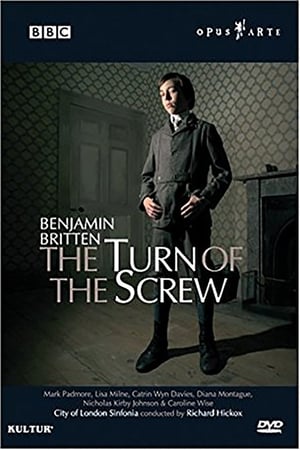
The operatic version of the famous story about a governess who fears her two charges are possessed.
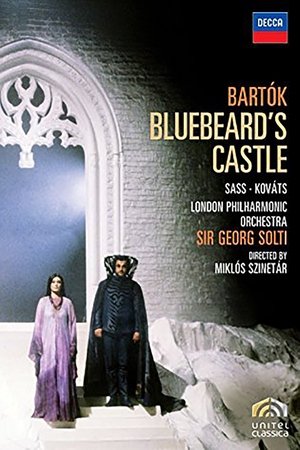
The great Georg Solti conducts a spectacular studio production of this masterpiece of 20th century opera. Two internationally celebrated Hungarian opera stars perform Bartók's darkly psychological parable with searing dramatic intensity.
Strauss's opera adapted to the screen by Gotz Friedrich.
A version of Benjamin Britten's opera based on the Melville story. Will the virtuous young sailor Billy Budd be hanged for murder?
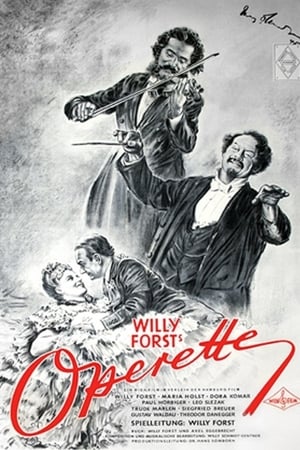
A musician is offered a job in Vienna as stage director, but his disagreements with the aristocratic opera manager end in abrupt firing in spite of a mutual attraction. He's quickly engaged by another theatre and becomes famous for his lavish stage productions and fine acting, which begins their golden age with Suppé and Strauss.
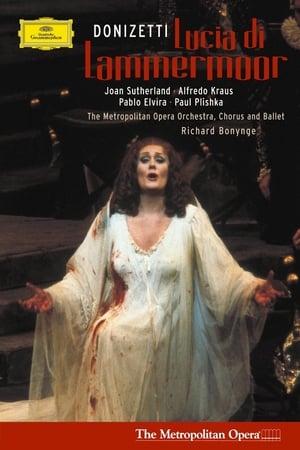
This telecast offers a rare opportunity to see the legendary Joan Sutherland in the role that first catapulted her to international stardom. She drove audiences wild by the way her opulent voice caressed the music’s long phrases and sprinted effortlessly through the fiendish runs, trills, embellishments and stratospheric high notes. One of the glories of the operatic world, her portrayal of Donizetti’s hapless heroine is a multifaceted and moving characterization. The incomparable tenor Alfredo Kraus is Edgardo, the man Lucia loves but cannot have. (Performance taped November 13, 1982. Broadcasted September 28, 1983.)
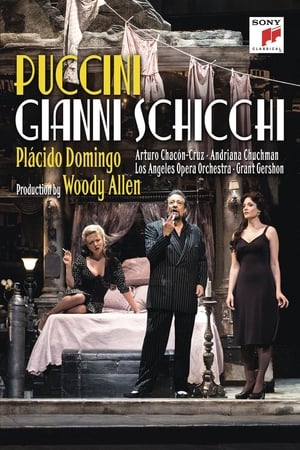
Woody Allen's production of the Puccini comic opera at LA Opera in 2015
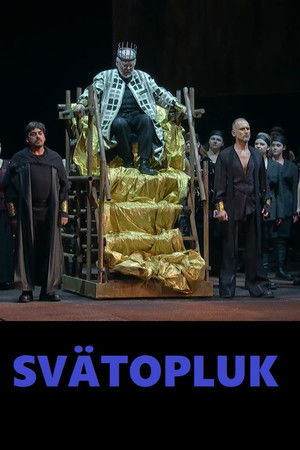
Eugen Suchoň's opera Svätopluk returns to the stage of the Slovak National Theatre Opera in 2023. Since 1960, when it had its world premiere, this is the fifth production of this musical drama at the Slovak National Theatre. It returns as an eloquent witness of Slovak operatic history, as a bearer of a message, as an impulse for reflection and reassessment of historical attitudes in a broader context.
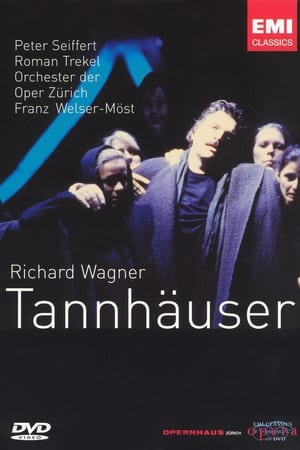
Witness the Zurich Opera's stunning production of Richard Wagner's masterpiece "Tannhauser," conducted by Franz Welser-Most and featuring Peter Sieffert (Tannhauser), Solveig Kringelborn (Elisabeth) and Roman Trekel (von Eschenbach). Initially produced in Dresden in 1845, "Tannhauser" instilled a sense of wonder in a few of Strauss's ardent friends and admirers, among them Robert Schumann and Franz Liszt. Opera buffs will love it.
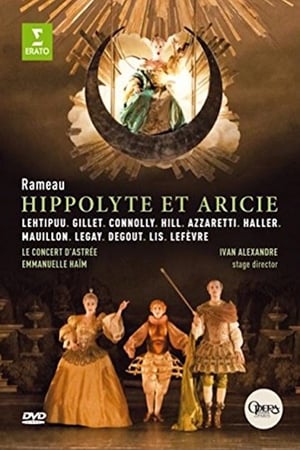
Emmanuelle Haïm has established herself as one of the world’s leading performers, conductors and interpreters of Baroque repertoire, not only with Le Concert d’Astrée, the ensemble she founded in 2000, but with several of the world’s greatest orchestras. Known for her fresh and expressive approach to Baroque music, she has garnered critical acclaim and several international awards with her own ensemble, including Victoires de la Musique Classique, ECHOs, Gramophone Awards, and Grammy nominations.
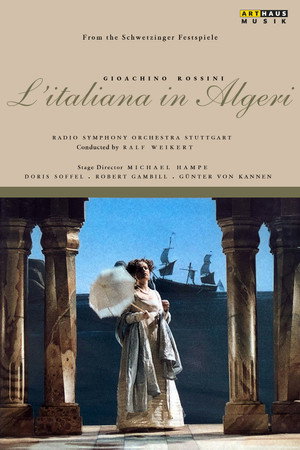
Live performance from the Schwetzinger Festspiele, 1987. At the age of 21, Italian composer Giacchino Rossini penned the masterful comic opera “L’Italiana in Algeri” (“The Italian Girl in Algiers”) in less than a month. The composer’s youthful exuberance comes across in this infectious 1987 performance. Though she’s known mainly for her Wagner roles, acclaimed German mezzo-soprano Doris Soffel shines in the title role of Isabella. Ralf Weikert conducts, and Mauro Pagano oversees sets and costumes.
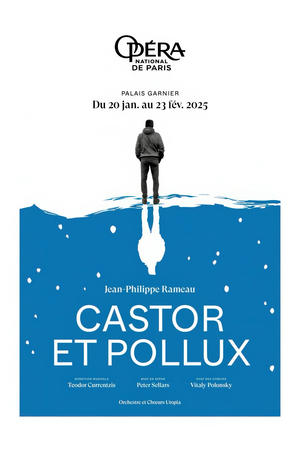
A return to its roots for Castor et Pollux, Jean-Philippe Rameau’s lyric tragedy first performed in 1737 at the Académie royale and inspired by the mythological episode of the Gemini. Rarely performed in its original version – the score was reworked by Rameau himself in 1754 –, this daring work plays on contrasts and expressiveness, as in the famous “Tristes apprêts”. The aria is sung by Télaïre mourning the death of her fiancé Castor, killed in battle, before his twin brother Pollux descends into the Underworld to ask his father, Jupiter, to bring him back to life. While this opera celebrates brotherly love, its prologue poses an essential question for director Peter Sellars: how do you stop a war and its attendant hatred and resentment?