The battle for scrap metal
Plastic Odyssey, mission pacifique
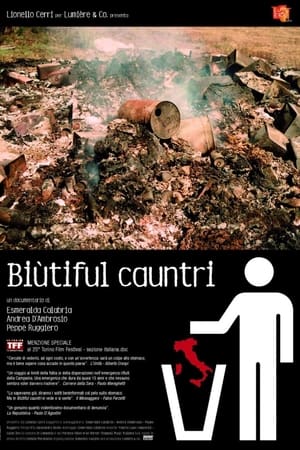
Biùtiful Cauntri
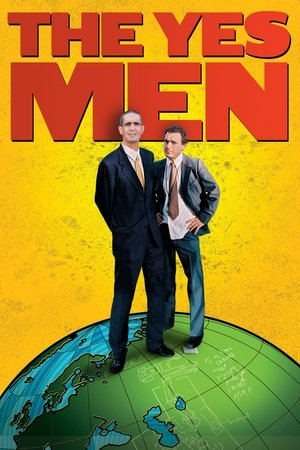
A comic, biting and revelatory documentary following a small group of prankster activists as they gain worldwide notoriety for impersonating the World Trade Organization (WTO) on television and at business conferences around the world.
Go behind the scenes with the crew of Sea Lions of the Galapagos to showcase not just the production of a film, but the world that inspired it.
50 Hours Underwater
“Let’s Do It!” is a story about how a national cleanup campaign in a small European country grew into an ambitious global environmental movement. The idea spread far and wide, bringing about new wave of civic activism in many countries. However, even good initiatives can hit rough spots. The important thing is not to lose hope. This documentary captures the passion to change the world over the course of 10 years, culminating in World Clean-Up Day in 2018. The movie also showcases how grass-root initiatives can grow and subside and how some ambitions can be defeated only to give rise to even more ambitious ones.
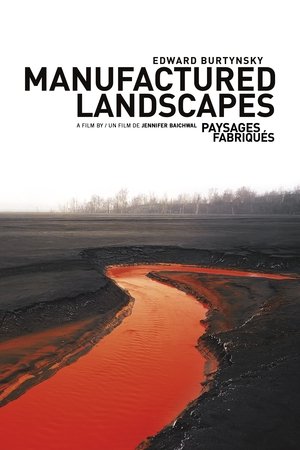
MANUFACTURED LANDSCAPES is the striking new documentary on the world and work of renowned artist Edward Burtynsky. Internationally acclaimed for his large-scale photographs of “manufactured landscapes”—quarries, recycling yards, factories, mines and dams—Burtynsky creates stunningly beautiful art from civilization’s materials and debris.
As the use of plastic has gained ground in our lives over the years, there has been an inexplicable increase in a number of diseases and disorders amongst the population. In this film as part of the Why Plastic? series, we meet leading researchers looking into the reasons for these disorders. We also follow case studies of people suffering from various health conditions thought to be caused by exposure to certain every day materials including plastic. Are these people the victims of unfortunate coincidences - or is there an explanation?
Harald Reichenbach sets off around the globe in a sailing boat collecting garbage from the sea with local people. Using a press, he compresses what they find and pours it into resin to form ‚G-Cubes’. He then takes the garbage back as art to the people who created it – consumers in industrialized countries. Nothing on the journey goes exactly as planned, however, and Reichenbach finds himself teetering between art and activism.
This documentary takes a look at Hayedeh Shirzadi and her husband's attempt to put an end to the dumping and burial of urban garbage. Due to their hard work and ingenuity, 100% of the city of Kermanshah's garbage is now recycled and the bio waste is made into organic fertilizers. Shirzadi studied recycling in Germany. She returned to Iran in order to clean up the environment, to stop the destruction of arable land, and to curb air and water pollution.
In an era of throw-away ease, convenience has cost us our well-being. Plastics have been found inside our bodies— in our colons, our brains, and even in mothers’ developing wombs. Scientists around the country are sounding the alarm, but without public buy-in, there is little that can be done. How much evidence do we need before we decide to take action?
Driven by the problem of marine plastic pollution, two designers collect nets from the bottom of the sea and, with 3D-printing, transform them into symbols of marine beauty.
As the world continues to come face to face with the consequences of decades of environmental degradation, Danny Kim’s documentary Zero Waste explores the ways that five individuals in South Korea have taken it upon themselves to create solutions to the country’s plastic waste problems, which has been exasperated by the global pandemic, and whether their efforts can be enough to make up for decades of neglect. Both sobering and uplifting, Zero Waste paints a portrait of both the magnitude of the problem, and the perseverance of those people willing to address them.
Exploring the impact of human behavior on our environment from the perspective of one of South Florida's most beloved and fragile underwater creatures: the sea turtle. A critical look at the effects of global warming, water pollution, and our "throw-away" plastic lifestyle on this keystone species...and inevitably ourselves.
A mini docuseries following 12 Maldivian households as they embark on a year-long mission to reduce their use of single-use plastics.
Miliony na dlažbách
99% of the plastic that should be floating in the oceans is missing. Even accounting for the plastic that washes up on beaches or is trapped in arctic ice, millions of tonnes has simply disappeared. As most plastic never deteriorates, it simply breaks down into smaller and smaller particles that are invisible to the human eye, what happens to this missing ocean plastic is a mystery. In this investigation, scientists embark in search of the micro-plastics. Small, mostly invisible, toxic, they are home to the new ecosystem: the plastisphere. But where are they? Ingested by organisms? Buried under the ocean floor? Degraded by bacteria? And what is the impact of them entering the food chain?
What happens to the food we digest after it leaves our body? Is it waste that is thrown away or a resource that can be reused? In search of answers, director Rubén Abruña embarks on an investigative and entertaining search through 16 cities on four continents. He follows the trail of feces from the long sewers of Paris to a huge sewage treatment plant in Chicago.
Street Life documents the lives of Chinese migrants in Shanghai, one of the world’s largest and most vibrant cities, now symbolic of China’s economic might. The film centers on Nanjing Road, one of China’s oldest commercial streets and today a popular destination for tourists and moneyed Chinese. The street has also become a Mecca for uprooted and homeless Chinese, who make ends by collecting garbage and recyclables. These characters and their stories are the focus of the film. The central character in Street Life is a migrant known as “Black Skin.” Black Skin faces numerous pressures in the course of the film, including police violence. In the end, these pressures are too much for him to bear and he goes mad. Black Skin’s story intersects with those of fellow bottle collectors, enterprising thieves and even a young boy who has been abandoned.