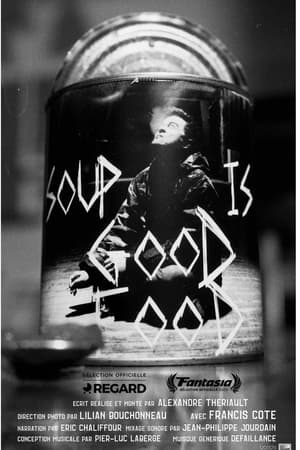
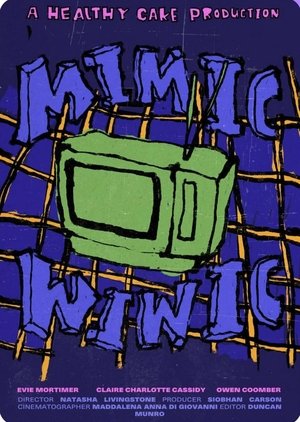
Francis has been living in his apartment for several years. However, his world quickly falls apart has he learns that he has five minutes to leave his apartment and pack his belongings.
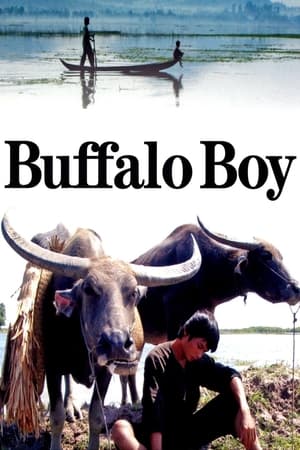
Kim is 15; his father and step-mother have two buffalo, their lifeline as subsistence rice farmers. During the rainy season, there's no grass and the buffalo are starving. Kim volunteers to take the beasts inland to find food. On this coming-of-age journey, Kim sees men mistreat women, men fight with men, and French taxes rob the poor. He works for Lap, a buffalo herder whose past is entangled with Kim's parents, and he makes friends who will lead him to his place in the world.
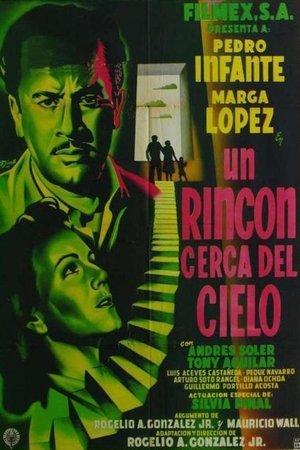
An honest man emigrates to the capital in search of a better life, but ends up mired in extreme poverty along with his family; forced to overcome tragedy and despair to find, even in misery, a glimmer of hope.
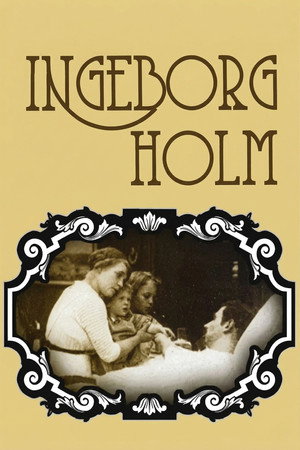
After Ingeborg Holm's husband becomes sick and dies, the family's small grocery store fails, Ingeborg becomes bankrupt, and she is forced to move to the workhouse. Her three children go to foster homes. Ingeborg simply must see them again.
The future is bleak for a troubled boy from a broken home in the slums. He runs away when his step father breaks his violin, ending up sleeping in the basement of a music school for poor children.
From the director of Marius et Jeannette, this story of two working-class families is a fable with an optimist streak. A young black man, Francois, is wrongly accused of rape by a racist policeman. The story is told in voiceover by his childhood friend, neighbor, and the mother of his future child, Clementine, who is white. The city is Marseilles as in the previous film, symbolic with its churches, prisons and ruins. Except in this film, director Robert Guediguian also ventures outside, taking the story to Sarajevo; two different cities, one devastated by war, the other by a bad economy and unemployment. A la Place du coeur won a Special Jury Prize at the 1998 San Sebastian Film Festival and was also shown at the 1998 Toronto Film Festival and the 1998 Montreal Film Festival.
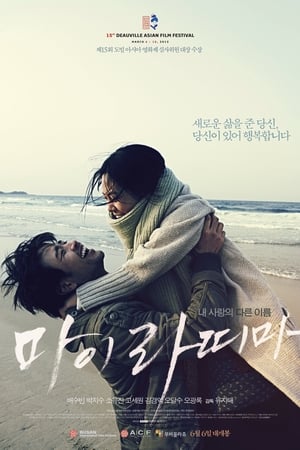
Actor Yoo Ji-Tae’s directorial debut feature film is one part melodrama, one part comingof-age story about Soo-young, a miserable thirtysomething man and Mai-Ratima, a 22-year-old Thai girl who accepts a mail order marriage in order to realize her Korean Dream. Into their relationship comes Young-jin, a hostess, slowly turning it into a love triangle.
Professor Griggs, teaching at the college, doesn't get paid a living wage; his next door neighbor, successful shoemaker Olsen, has money and plentiful food, while the Griggses have hardly any. When the professor's rich student Phil West falls for beautiful Griggs daughter Amelia and also befriends the poor Reverend Gates (a young man who is also in love with Amelia), he observes the difference in his life and theirs and tries to help make a difference.
In a small supermarket in a blue collar town, a black man smiles at a 10 year old white boy across the checkout aisle. This innocuous moment sends two gangs into a ruthless war that ends with a shocking backlash.
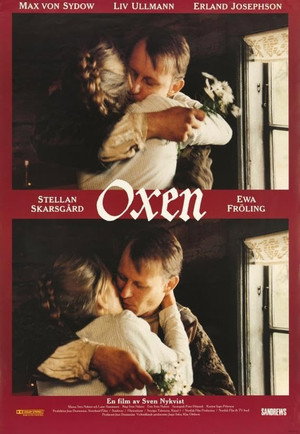
In desperation brought on by near-starvation, Helge Roos kills his master's ox to feed his wife and baby daughter, setting off a devastating and unexpected chain of events.
The story of Feng Shu Guang, that ends up in a small village named Shibawan. Initially a man, wants to help fight with poverty in this area. It quickly turns out, however, that this is only the tip of the iceberg of problems that plague the inhabitants of this mountain countryside.
Suffocating under poverty, Ferris finds a door to another world that may provide her the perfect escape - If only her struggles don't follow her.
As a family of siblings and their spouses gathers at their father's deathbed, old jealousies and new angers and liaisons lead to an inevitable climax.
Filmed on the rooftops of lower Manhattan, this performance film features the original Last Poets performing 28 numbers adapted from their legendary Concept-East Poetry appearance at New York's Paperback Theater in 1969. Described as “a conspiracy of ritual, street theater, soul music and cinema."
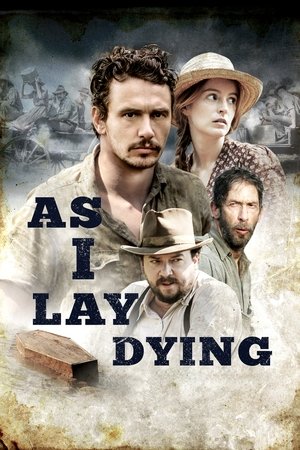
Strife and disaster befall a poor Mississippi family during a two-day trip by horse and wagon to bury their deceased matriarch.
An Air Force washout and his buddy room with a pretty young lady. Desperate for jobs during the Depression, they finally land employment with the mob.
A teenager has to undo the mess his older brother made and protect his family even if he has to stand against dangerous thugs.
A single mother struggles to pay the rent and put food on the table for her 10 year old son.
A loose fictitious of Charlie Parker's last years and a portrait of the jazz scene in 1960's New York. A black jazz musician bent on self destruction forms an odd friendship with a white college professor full of feeling sorry for himself.
In the 1920s, the rights of American workers to join a labor union was still considered an open question, and African-Americans were routinely denied their civil and economic rights. 10,000 Black Men Named George, the title, refers to the fact Pullman porters were often called "George" by white passengers, which was considered a racial slur.