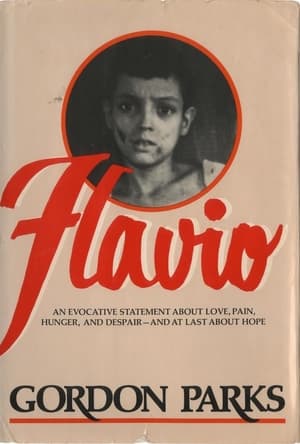
Documentary about a boy living with his family in extreme poverty in Rio de Janeiro.
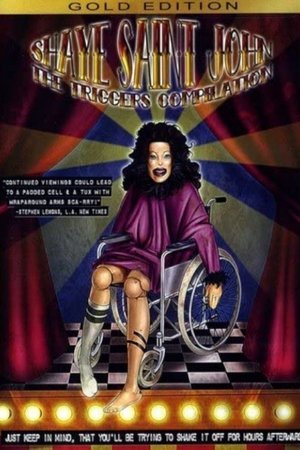
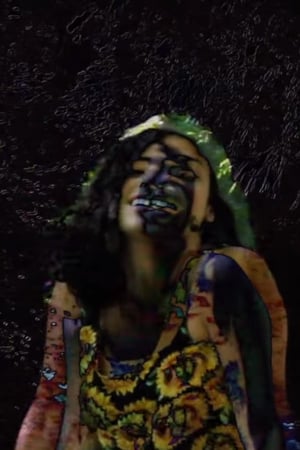
Welcome to the funbubble! Over 2 hours of bizarre entertainment. Meet Shaye Saint John, former supermodel who now has no arms or legs and her special friend Kiki (a burnt doll). This series of shorts documents the daily collision of Shaye's glamorous fantasies with the realities of the physical limitations of her everyday life. These films with their juxtaposition of child-like imagery can be genuinely disturbing without a hint of blood, violence, nudity, cursing, or off-color subject matter of any sort. Watching Shaye do her schtick is akin to watching a segment of one of John Waters' early flicks. There is no question about the fine line between maddness and genius here -- it's madness, plain and simple, dizzying in its detachment to reality. Depending on your outlook, Shaye Saint John is either a true testimony to the power of art to rise above adversity or these films are hidden footage from a ward for the criminally insane!
Bajo el signo libertario is a propaganda documentary, with the script and direction of Les (known for his articles in Solidaridad Obrera and the magazine Espectáculo) whose central theme is the reconstruction of the development of life in a libertarian community in the Aragonese town of Pina de Ebro.
Veneno
Troleriya Virus is a Bangladeshi Documentary movie.They Show this movie Corona virus effect
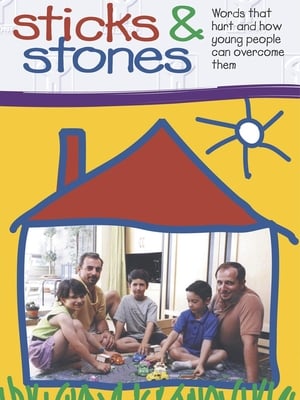
This short documentary features children aged 5 to 12 talking about their experiences with bullying and discrimination because they or their families do not fit into traditional gender and family roles. This film explores the contemporary diversity of families from kids' points of view, while featuring short animated sequences about the history of derogatory slang.
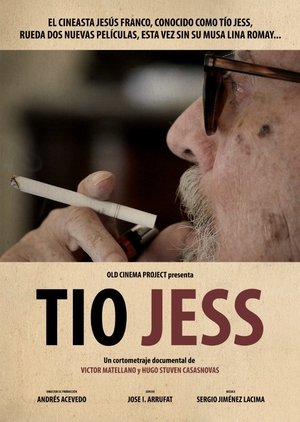
Tío Jess
Good Grief is a short stop motion animated documentary that explores the lessons we learn from dealing with grief and loss. Five real people share their true stories of losing something precious and what it has taught them about living.
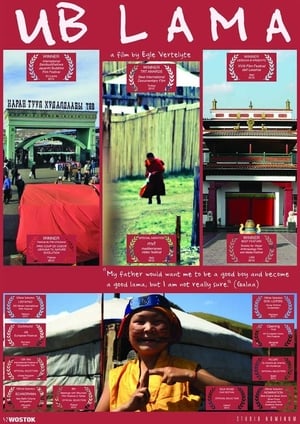
A twelve year old boy, living in a "yurt" but in love with hip hop and computer games is caught between modernity and tradition, aspirations and poverty and decides to become a Buddhist monk.
Dialogue-free short detailing the daily tasks of a man and his wife.
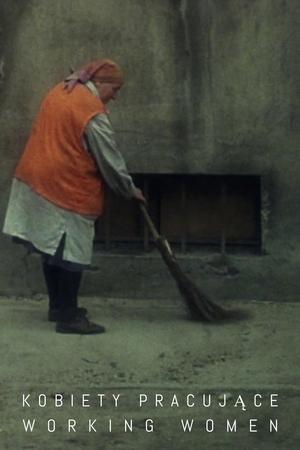
Stylized with dramatic interiors and a distorted frame rate, this early documentary miniature from Szulkin depicts six sequences of solitary, repetitious labor.
The world appears black on black until it separates from itself, looks at itself, includes itself, and sees colour.
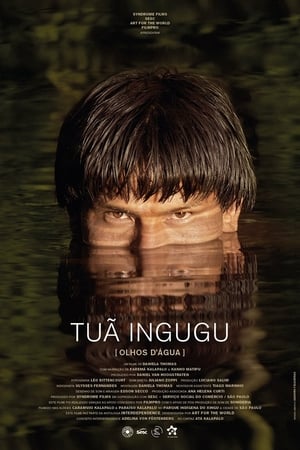
In the Kalapalo cosmogony (an ethnic group that lives in the Xingú Indigenous Park), water is as old as humans and is the source of life. That is where all their sustenance comes from, their food, their drink, their joy. The idea of using water as a dumpster, of poisoning water is a dystopia. In this documentary Chief Faremá —from Caramujo village on the banks of the Kuluene River— tells us about the birth of water and warns us about the consequences of disrespecting it.
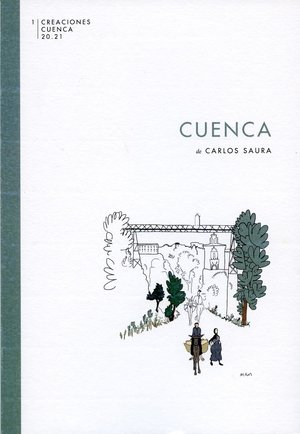
A medium-length documentary commissioned by the Cuenca City Council. The documentary shows an honest, sincere, although sometimes mere tourist portrait, of the lands of Cuenca and its people, without artifice or imposture, with feeling and authenticity and at the same time with marked coldness.
This short documentary shows Canada's top swimmers in training for the 1964 Olympic Games. Under the critical eye of coach Ed Healy, they practice long hours in the gym and in the pool to build strength and stamina.
As we run, the layers of responsibility and identity we have gathered in our lives, the father, mother, lawyer, teacher, Manchester United-supporter labels, all fall away, leaving us with the raw human being underneath. With nothing but our own two legs moving us, we begin to get a vague, tingling sense of who, or what, we really are.
Planen - Bauen - Siegen
Tommy’s Train is a story about imagination, drive, and the power of a dream. Once existing as a tourist attraction in the city of Anacortes, Washington, Tommy Thompson’s Railway ran every summer from 1987 until 1999. The genuine steam locomotive and coaches were all hand built by Tommy in his garage workshop, and he maintained and operated the railway with his family.
The short film follows Endika, a director who, in the midst of a clash with his reality, transforms a documentary about paternal absence into a personal quest for reconciliation with his own father.
An experimental odyssey through altered realities and reconstructed archives, where wandering voices of the past, present, and future unravel the elusive nature of time and memory.