The 1950s were a time marked by an idealistic feeling. The atomic age, with its promise to save humanity, revolutionized the world, technologically, socially and politically. All these factors gave birth to one of the most prolific film genres in the history of cinema: science fiction, which delighted the audience. Only a few years later, these same spectators saw on their television screens how the Russians launched the Sputnik into space.
The city of Madrid as it appears in the Spanish films of the 1950s. A small tribute to all those who filmed and portrayed Madrid despite the dictatorship, censorship and the critical situation of industry and society.
Tehran, Iran, August 19, 1953. A group of Iranian conspirators who, with the approval of the deposed tyrant Mohammad Reza Pahlavi, have conspired with agents of the British MI6 and the US CIA, manage to put an end to the democratic government led by Mohammad Mosaddegh, a dramatic event that will begin the tragic era of coups d'état that, orchestrated by the CIA, will take place, over the following decades, in dozens of countries around the world.
Martin Scorsese is among those paying tribute to Gene Tierney, the Academy Award-nominated American actress who was a leading lady in Hollywood throughout the 1940s and '50s.
This documentary film from the 1950s explains how the citizens of a small midwestern town restore community spirit through a 4-H club.
A roller-coaster ride through the history of American exploitation films, ranging from Roger Corman's sci-fi and horror monster movies, 1960s beach movies, H.G. Lewis' gore-fests, William Castle's schlocky theatrical gimmicks, to 1970s blaxploitation, pre-"Deep Throat" sex tease films, Russ Meyer's bosom-heavy masterpieces, etc, etc. Over 25 interviews of the greatest purveyors of weird films of all kind from 1940 to 1975. Illustrated with dozens of films clips, trailers, extra footage, etc. This documentary as a shorter companion piece focusing on exploitation king David F. Friedman.
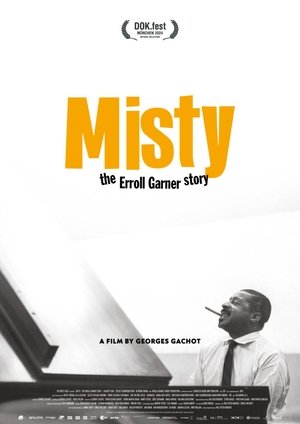
The brilliant self-taught pianist Erroll Garner left his mark on jazz forever. His song Misty, which he allegedly composed between two concerts on an aeroplane, immediately became one of the great jazz standards and is still one of the most covered ballads in the world today. Who was the man behind the ever-friendly smile from the ghettos of Pittsburgh, whose talent brought him to the biggest international stages?
Napalm is the story of the breathtaking and brief encounter, in 1958, between a French member of the first Western European delegation officially invited to North Korea after the devastating Korean war and a nurse working for the Korean Red Cross hospital, in Pyongyang, capital of the Democratic People’s Republic of Korea.
Visionary, radical, spiritual seeker, renowned poet, founding member of a major literary movement, champion of human rights, Buddhist, political activist and teacher. Extensive archival footage, interviews, and home movies cover Allen Ginsberg's life, activism, and influence on American culture through the Beat era, the 1960s, and beyond.
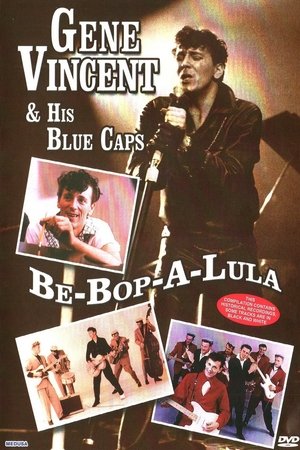
Gene Vincent and His Blue Caps: Be Bop a Lula
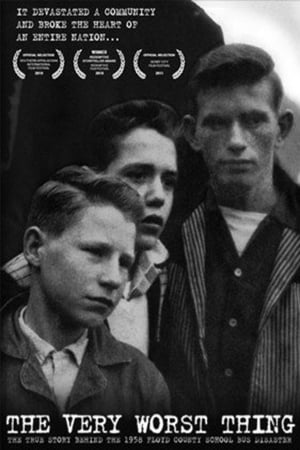
On February 28, 1958, the community of Floyd County, Kentucky experienced one of the greatest tragedies imaginable when a school bus carrying 48 students careened over an embankment and plunged into the Big Sandy River. Miraculously, 22 children survived by swimming to shore; the rest of the students, and their driver, weren't so fortunate. Over 50 years later, filmmaker Michael Crisp reflects on the accident that broke America's heart by speaking with crash survivor Martha Burchett Marsh and numerous other locals whose lives were forever affected by this heartbreaking catastrophe.
Based on A Few Days Full of Trouble by Reverend Wheeler Parker, Jr. and Christopher Benson, the feature doc will explore two parallel tracks of the Till story. One set in motion by the last four years of an FBI investigation with details never before revealed, including significant new revelations of the case and its discoveries. The traumatic memory of Parker Jr., last surviving witness to the crime and Till’s cousin, drives that investigation. The second track is a deep immersion into the latest, proprietary findings, as high schoolers prepare for a reenactment of the murder trial of two of Till’s killers, Roy Bryant and J.W. Milam.
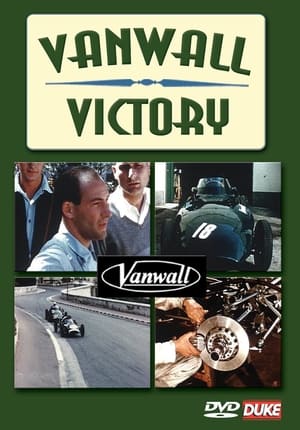
Historical film covering the British Vanwall Grand Prix team behind the scenes and at the 1957 Monaco Grand Prix and British Grand Prix at Aintree.
Germán Cipriano Gómez Valdés Castillo, a young radio announcer from Cuidad Juárez, succeeds in drawing attention to the pachuco movement through his character Tin Tan, laying the groundwork for a new form of binational and mass linguistic expression: Spanglish. He soon became a leading figure in theater and film on the American Continent. Singled out by critics as a destroyer of the language, he quickly won the approval of the public. His ability to improvise revolutionized the film industry. His talent as an actor, singer, dancer and comedian contributed to the Golden Age of Mexican Cinema. From El Hijo Desobediente to Capitán Mantarraya, from Cuidad Juárez to Havana, from mambo to rock, the legacy of Tin Tan makes him one of the great icons of Mexico today. This film tells his story as it has never been told before.
A "best of" compilation of live clips of various ASSJACK shows taped live at Alley Katz in Richmond, VA from 2003 - 2006 and clips of 1 show from May 2005 at Bluecats in Knoxville, TN. Special cameos by Dancing Outlaw Jesco White, Randy Blythe from Lamb of God and Chris Arp from Psyopus.
Demonstration of shoplifting methods. With the Cooperation and Assistance of Berkeley, California Police Department and Berkeley Police Reserve; Addison H. Fording, Chief of Police; J.F. Hink & Son Department Store, L.W. Hink, President. Technical Assistance: Wm. P. Beall, Lieutenant; E.A. Skells, Sergeant, Berkeley Police DepartmentGeorge Jelten, Director of Visual Merchandising, J.F. Hink and Son. Director of Photography: John L. Siegle. Sound: Walter D. Porep. Narration: John E. Pedersen.
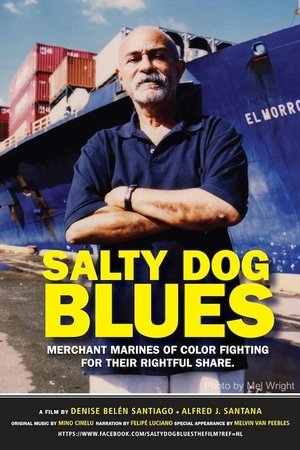
The film looks at men and women of color in the U.S. Merchant Marine from 1938-1975. Through chronicling the lives of these men and women who, with a median age of 82, are beset with a host of life-threatening illnesses, the movie tells how they navigated issues of racism, disparities in the workplace, gender and familial relations.
Stop-motion animation on the arranging of marriages in 1950/60s set in the Eastern-Polish borderland. The script is based on a part of Mikołaj Smyk's diary, the director's grandfather. The biographical objects used in the animation, such as an authentic headscarf, Polish and Russian books, the copy of Mikołaj Smyk's diary and photographs help situate the story in its original environment.
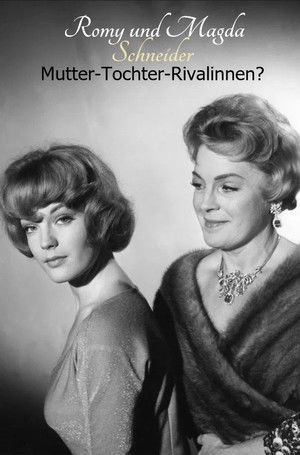
New light is shed on the complex relationship between Romy Schneider and her mother Magda, a German film star of the 1930s admired by Hitler - who welcomed her and her daughter to his chalet in Berchtesgaden.
Mento was the first national music of Jamaica and it begat Ska, Rocksteady, Reggae and the Dancehall music of today. No film has been made wholly about the subject and it is a little known genre around the world.