The story of hip hip behind the iron curtain.
Life in the GDR was not only documented on behalf of the state, but also by photographic artists and journalists. The documentary goes on a journey through time with some of them and shows little-known aspects of the GDR from its foundation to the fall of the Wall. Photographers in the GDR had a surprising amount of freedom; there was no explicit censorship of images. This allowed them to make visible what the state wanted to hide. This documentary presents two photographers who observed life in the GDR and whose work has been rediscovered in recent years.
Pianist Richard Glazier offers a unique view of Broadway and Hollywood music using fascinating interviews, piano performances and commentary in this broadcast special.
On the edge of the 30th anniversary of punk rock, Punk's Not Dead takes you into the sweaty underground clubs, backyard parties, recording studios, shopping malls and stadiums where punk rock music and culture continue to thrive.
An intimate look at the Woodstock Music & Art Festival held in Bethel, NY in 1969, from preparation through cleanup, with historic access to insiders, blistering concert footage, and portraits of the concertgoers; negative and positive aspects are shown, from drug use by performers to naked fans sliding in the mud, from the collapse of the fences by the unexpected hordes to the surreal arrival of National Guard helicopters with food and medical assistance for the impromptu city of 500,000.
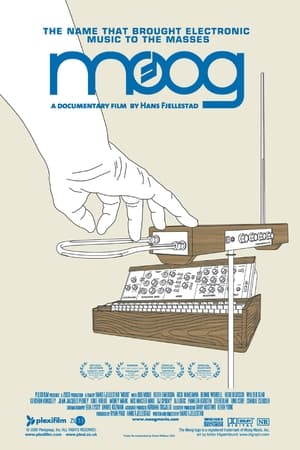
Best known as the inventor of the Moog synthesizer, Robert Moog was an American pioneer of electronic music, and shaped musical culture with some of the most inspiring electronic instruments ever created. This "compelling documentary portrait of a provocative, thoughtful and deeply sympathetic figure" (New York Times) peeks into the inventor's mind and the worldwide phenomenon he fomented.
"What would the world be like without Beethoven?" That’s the provocative question posed by this music documentary from Deutsche Welle. To answer it, the film explores how Ludwig van Beethoven's innovations continue to have an impact far beyond the boundaries of classical music, 250 years after his birth.
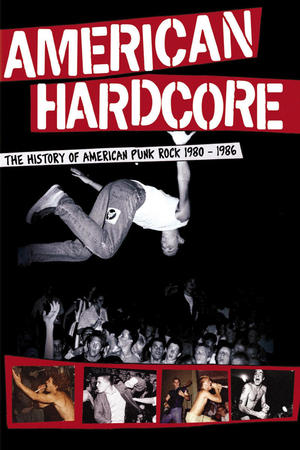
Inspired by Steven Blush's book "American Hardcore: A tribal history" Paul Rachman's feature documentary debut is a chronicle of the underground hardcore punk years from 1979 to 1986. Interviews and rare live footage from artists such as Black Flag, Bad Brains, Minor Threat, SS Decontrol and the Dead Kennedys.
Quincy Jones, Music Man
Rügen is the largest island of Germany. Located off the Baltic Sea coast of Western Pomerania, two thirds of its area is protected. The green beech forests of the Jasmund National Park are considered an original virgin forest that is unique in Europe and are part of the UNESCO World Heritage. The white chalk cliffs, which can be seen from afar, are the island's distinctive symbol and were immortalized in the paintings of Caspar David Friedrich more than 200 years ago. On the small island of Vilm, which belongs to Rügen, there is another core area of nature conservation with a 500-year-old, untouched beech forest. Within sight of this refuge, organic farmers are trying to bring more diversity back to the fields. Small-scale agriculture with a great diversity of species has emerged between hedges, tree islands and biotopes. The documentary shows Rügen's natural treasures and introduces different people who have found their home here and are fighting to preserve nature.
Die sieben Geheimnisse der NVA
The local hard rock and heavy metal scene in the San Francisco Bay area catapulted many groups to stardom, including Metallica, Exodus, and Testament
This documentary chronicles the rise, fall, and rise again of the soft rock epitomized by artists such as Christopher Cross, Michael McDonald, Kenny Loggins, Steely Dan, and Toto in the late 1970s and early 1980s. Retroactively dubbed "Yacht Rock," the easy-listening genre came to be gently mocked and even dismissed by rock lovers and critics. However, it has since reclaimed its place in music history and is celebrated in this groove-infused film.
In 1971 September met four young men in a garden in Gentofte. They wanted to make a band. And they soon found out that they could joke his way to one hit after another. A handful of years later had their playful approach made them Denmark's largest orchestra. But if success came easily to them, it was also their biggest problem. For besides they were hit by alcoholism and stage directing, they faced one overriding dilemma: Should they stick to the happy drengerøvs tone (young men who appear to be young, immature or inexperienced or who behave childishly), they had so much luck, or trying to become adults?
During a decade rife with paranoia, in the middle of the McCarthy era, Music Inn was a bold experiment. Halfway between the Second World War and The Civil Rights Movement, Phil and Stephanie Barber created an oasis in the Berkshire Hills in Western Massachusetts where aspiring musicians came to learn from the very best. Students and faculty, young and old, rich and poor, white, black, and brown convened together and learned from each other. Defying the surrounding environment, Music Inn harbored a racial and cultural harmony where music was all that mattered.
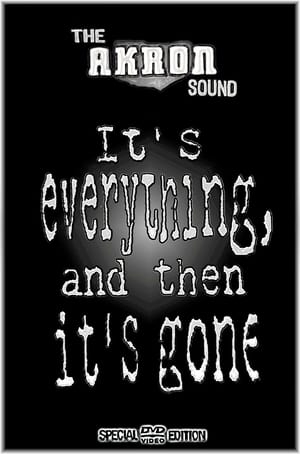
In the early 1970s, rubber was still king in Akron, Ohio. But just a few short years later, Akron's most important product was, ever so briefly, music. In the mid-1970s, a group of local bands took over an old rubber workers' hang-out in downtown Akron called The Crypt and created a mix of punk and art rock that came to be known as "the Akron Sound." And for a while, it was almost "the next big thing." Almost. It's Everything, and Then It's Gone, a Western Reserve PBS production written and directed by Phil Hoffman., takes viewers back to a time when the music really did mean everything. And for the men and women in these local bands, it was a way out of the factory.
Hendrik Waringa, singer and founder of the country band Early Bird, is followed together with his musical grandson Maurits van Nijen in the run-up to the reunion concert to be performed in celebration of the band's 60th anniversary.
The rock-wild youth of the 1960s during the apparitions of their idols.
Music has been integral in WWE history, especially anthems for all the greatest WWE Superstars. Since Sgt. Slaughter first made his entrance to the Marine Corp hymn in the early 80's music themes have become synonymous with the Superstars themselves. Just hearing the first few notes brings the crowd to their feet. They are the songs that let the WWE Universe know that business is about to pick up. Now, get behind the music and learn the inside story behind the timeless anthems of WWE and the superstars.
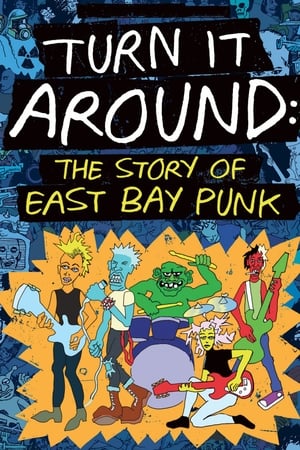
Turn It Around: The Story of East Bay Punk spans over 30 years of the California Bay Area’s punk music history with a central focus on the emergence of the inspiring 924 Gilman Street collective. This diverse group of artists, writers, organizers and musicians created a do-it-yourself petri dish that changed the punk scene... and the world at large.