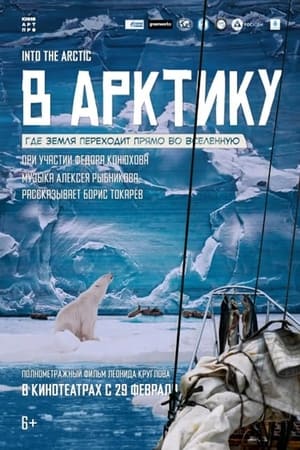
The documentary film “To the Arctic,” filmed by director and ethnographer Leonid Kruglov, is dedicated to the discoveries and research of the largest icy desert in the world. For the first time, the film captures all the most remote and inaccessible Arctic archipelagos of the Russian high-latitude Arctic, which are scattered over an area of more than 10,000 km. Among them are Franz Josef Land, Novaya Zemlya, Severnaya Zemlya, Ushakov Island and the New Siberian Islands archipelago, Wrangel Island and the De Long archipelago, as well as many other hidden corners of the North.
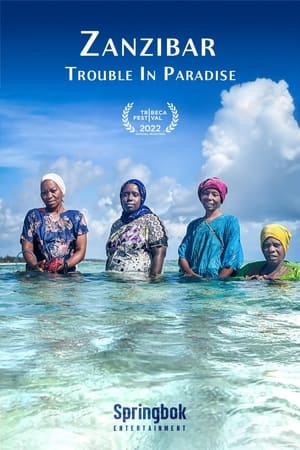
Zanzibar: Trouble in Paradise depicts a group of women who gained financial independence and stability in an otherwise male dominated culture through seaweed farming, until climate change killed the seaweed. The film follows the women, whose ingenuity led them to a new crop, more resistant to climate change: sea sponges. However, new challenges occurred; combating bacteria and climate change threatening their new product as well. In bringing the story of these women to light, the film demonstrates their resiliency and individual struggles facing the effects of climate change. While many documentaries focus on the science, Zanzibar shines a light on the disaster's impact upon those least likely to be heard.
IJswee is a documentary film about an ice club, a village and the warm winters. In the film we follow Oringers, the inhabitants of Odoorn, through the winter. The Oringers all experience IJswee in their own way. You will also see the Icecounter (Rafael van der Ziel), who builds ice sculptures and drinks frozen milk. You see the Drenthe countryside changing with the weather. You see animations, archive material and you hear the mysterious sounds of IJswee in the music of Wietse de Haan. And there are two trumpet players, who welcome winter with their music and say goodbye to it.
Deriva Litoral - o impacto da erosão costeira em Portugal
From both ends of the Arctic, Nikita in Siberia and Martha in Alaska send a distress signal as the ground sinks beneath their feet and fossil fuel companies greedily expand into the far north.
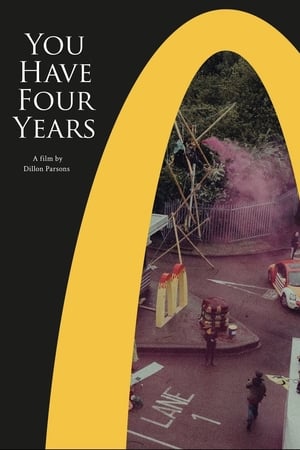
On the 22nd of May 2021, around 100 Animal Rebels shut-down all four McDonald's distribution centers across the UK. Shutting down their factories for a total of 96 hours and disrupting over 1300 of McDonald's restaurants across the country.
2 Degrees is about nothing less than the fight for the health of the planet we call home. The abstract idea of climate change is explored through the weaving of real and emotional journeys an audience can relate to. Our characters battle to mitigate the potential disasters of climate change and fight for climate justice, for it will be the developing world that bears the brunt of our profligacy and short sightedness. While An Inconvenient Truth alerted us to the problems facing the earth, 2 Degrees is the gripping and vital fight for a solution.
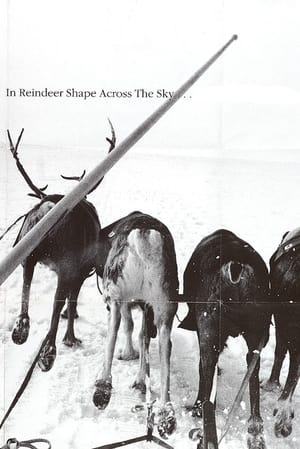
This Finnish documentary film directed, written, produced and shot by Markku Lehmuskallio is the first part of a documentary trilogy about the Nenets people. It's a folkloric documentary describing the traditional nomadic life of the Nenets on the Yamal Peninsula. It includes Nenets songs sung by Anastasia Lapsui and her mother Maria Lapsui. The film was the first film collaboration of Markku Lehmuskallio and Anastasia Lapsui.
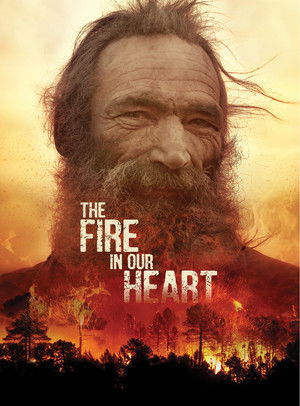
On British Columbia’s remote Southside, wildfire is not an abstract threat—it is a lived reality. As flames close in on a frontier community, the Cheslatta Carrier Nation and their neighbours face an impossible choice: evacuate, or stay to protect the land that defines them. With limited access and little outside support, the community responds collectively, drawing on Indigenous leadership, cooperation, and generations of knowledge to confront the fire in near isolation. In the aftermath, the burn reveals a long-erased Cheslatta village site, resurfacing a suppressed history just as their response gains wider attention as a model for resilience. But when the flames recede, new constraints emerge—raising questions about the limits of community-led action, and the fragile balance between survival, autonomy, and authority.
Longyearbyen, Svalbard, is the northernmost settlement in the world. About 3000 polar bears and 400 snow scooters outnumber its 2700 inhabitants. It is a place where you can actually see climate change and social diversity.
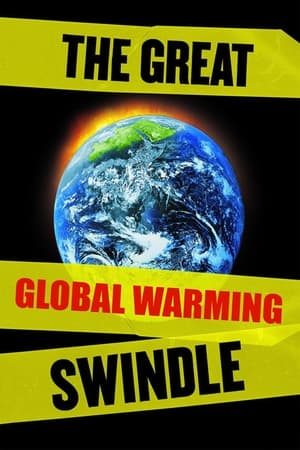
This film tries to blow the whistle on what it calls the biggest swindle in modern history: 'Man Made Global Warming'. Watch this film and make up your own mind.
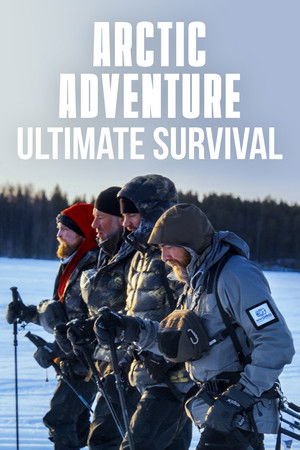
In the Arctic Circle, Jason Fox and an elite team of military veterans open up to each other about men’s mental health while taking on one of the world’s toughest ultramarathons.
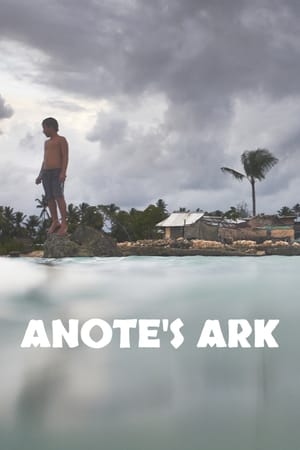
How does a nation survive being swallowed by the sea? Kiribati, on a low-lying Pacific atoll, will disappear within decades due to rising sea levels, population growth, and climate change. This exploration of how to migrate an entire nation with dignity interweaves personal stories of survival and resilience.
Captain Kleinschmidt leads an expedition sponsored by the Carnegie Museum to the arctic regions of Alaska and Siberia to study the natives and the animal life.
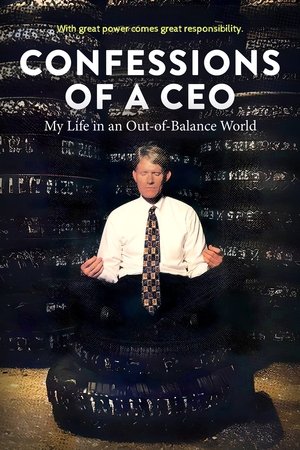
A bare-knuckled critique of corporate America told through the powerful true story of a toxic CEO who evolves from a profits-over-people, philandering executive to an unorthodox leader, populist messenger, and mentor to American influencers. It’s a story of growth, redemption and the impact of self-awareness on leadership and life.
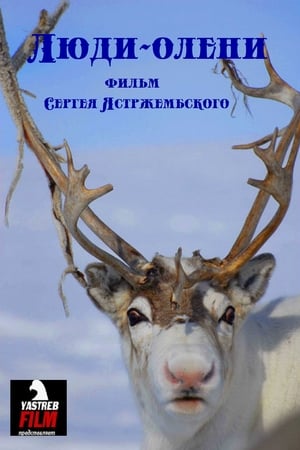
The Chukchi reindeer breeders are peculiar people. They are nomads. Reindeers are their welfare, the purport of life. The mother-reindeer is the main divine being; it protects the Chukchi from misfortune and troubles. Nature is not friendly towards people here. Only Chukchi can survive in Tundra. A rush period for the Chukchi reindeer breeders comes in winter, when the temperature rises up to 50 degrees Celsius at night and in the sunlight of the day it doesn't exceed 40 degrees Celsius in tundra: they should separate young deers from the rest of the herd, the weak from the strong. And this, considering that the herds of the Chukchi reindeer breeders number some thousand heads...
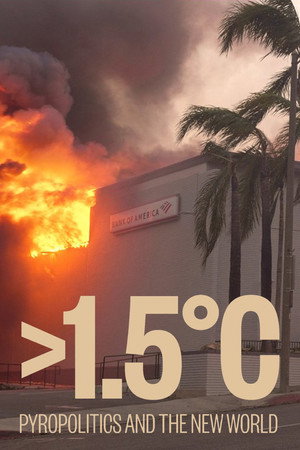
The devastating forest fires in Los Angeles are described in three acts.
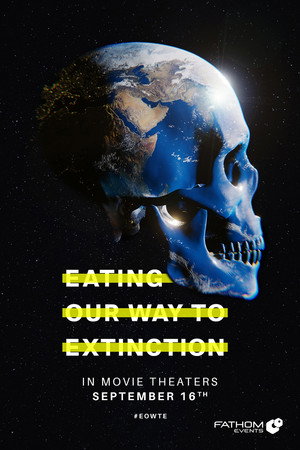
With searing insight that shines light in dark corners, EATING OUR WAY TO EXTINCTION is a compelling feature documentary that opens the lid on the elephant in the room no one wants to talk about. Confronting and entertaining, this documentary allows audiences to question their everyday choices, industry leaders and governments. Featuring a wealth of world-renowned contributors including Sir Richard Branson and Tony Robbins, it has a message of hope that will empower audiences.
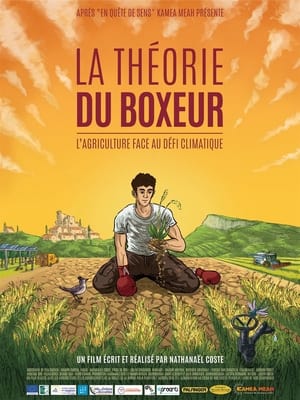
La Théorie du Boxeur
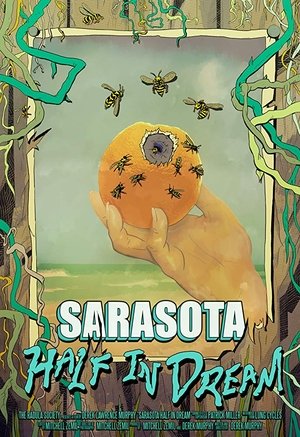
An experimental documentary about dead turtles, crab swarms, decaying tennis courts, and microscopic histories. The filmmakers shot their explorations into the abandoned golf courses, factories, and resorts of Sarasota, Florida and spoke to local youths who are using them for new and strange purposes. What would the Surrealists and Situationists think of a suburban, subtropical tourist town? What goes on in a storage unit in the dead of night? What is the afterlife of a decommissioned train car? What ghosts haunt a ruined hotel? What is the life cycle of a city? When will waters wash it all away?