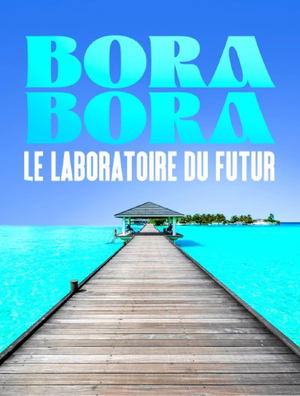
Bora Bora is the most popular destination in French Polynesia, certainly because of its lagoon, considered the most beautiful lagoon in the world. In this context, the islet could have sunk under concrete and pollution, and the reef could have been irreparably impacted. However, thanks to the will of a handful of inhabitants including the mayor of the island, Bora Bora is today a model of sustainable development, with water treatment technologies that are 15 years ahead of France, programs to rebuild corals and protect wildlife, educational actions and the rehabilitation of Polynesian traditions such as “rahui” and the establishment of a monitoring network using new technologies. All of this makes the island a veritable open-air laboratory that shows the way for all tropical coastal environments around the world.
A clash of true oceanic titans sees fights in the remote battlefields of Ascension Island. Tuna are often faster, fitter and bigger than the sharks.
Hlavátky
The Indonesian archipelago in the Indo-Pacific Ocean comprises thousands of islands, atolls and the largest concentration of coral reefs in the world. This rich and varied environment is a product of a unique set of natural circumstances. The equatorial sun powers ocean currents among the tiny dots of land. Where the archipelago meets the western tip of New Guinea an intersection of ocean currects creates perhaps the world's richest reefs - in the region of the Rajah Ampat Islands. A coral reef houses a myriad of colors, shapes and patterns: from the bulb tentacle anemone which protects, and in turn is protected by, the brightly coloured clownfish; to the multi-branched gorgonian, home of the tiny pygmy seahorses.
In the heart of the Jura mountains, a call resounds through the forest. The silhouette of a Eurasian lynx creeps through the trees. A male is looking for its mate. Suddenly a call answers back. It is the beginning of the story of a lynx’s family we will follow over the seasons. While it is rare to come across this private feline, it is exceptional to discover its daily life in the wild.
Feature-length documentary following award-winning wildlife cameraman Vianet Djenguet as he documents a gruelling but vital mission to ‘habituate’ a notoriously protective 450lb silverback, in a last-ditch effort to save the critically endangered eastern lowland gorillas from extinction.
The Pantanal's Rebel Lake
The three-spined stickleback is shown. Nest building, zigzag dance, fanning at the nest, sometimes following a female, also short mouth fights, the female swimming into the nest, spawning, the male poking at the rear end of the partner, inseminating the eggs in the nest after the female swims away.
Documented in television documentaries for over 40 years by the BBC and other broadcasters around the world, the Marsh Pride is the most filmed pride of lions on Earth. In this film, the Marsh Pride battle for survival in Kenya's famous Maasai Mara Reserve, which has become a magnet for tourists, many of them keen to see the pride for themselves. A tale of shifting loyalties, bloody takeovers and sheer resilience, the lions’ story is told by those who filmed them, tried to protect them and lived alongside them, as well as some who ultimately wanted them dead.
Before the assault, feel the weight of the body.
In the furthest reach of northeast China, is a mountain wilderness that few have yet explored: Hunchun National Nature Reserve. At its core, lives one of Earth’s rarest predators: The Amur tiger
Souvenirs d'un singe doré
Dr Pic Noir, urgence des bois
Écureuil : Les Tribulations d'une forestière
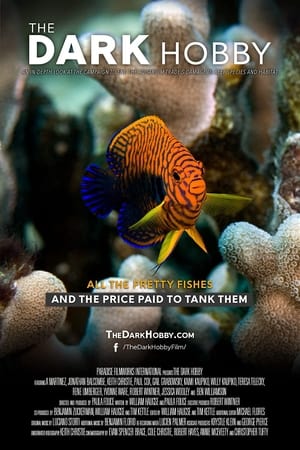
The Hawai'ian Islands are ground zero for the aquarium trade who capture and traffic reef fish for hobbyists’ tanks, decimating the reef, ocean and earth’s oxygen. Native Hawai'ians, conservationists, scientists, aquarium fish collectors and breeders are locked in a controversy over the stunning “treasure of Hawai'i” – the ornamental fish.
Le Monde secret des libellules
Down Under, just a few nights after the November full moon - when water temperature and tides are just right - one of nature's most extraordinary events explodes into life. Thousands of coral join in an elaborate mating ritual, a synchronized dance of naturally occurring phenomena that help increase the coral's odds of survival. Journey through more than 1,200 miles of Australia's treasured Great Barrier Reef to discover the secrets of the unique marine life that inhabit this dazzling spectacle, considered to be the world's biggest single structure made by living organisms and declared a World Heritage Site by UNESCO.
Life is an adventure - especially for a newborn animal who has so much to learn. "Growing Up Wild" takes audiences to the wildest corners of the planet to tell the tales of five courageous animals as they tackle the very first challenges of their young lives. With a little guidance from sage family members, each must figure out how and where to find food, while learning to recognize the very real threat of danger. From their first steps of exploring their world to their final steps into independence, "Growing Up Wild" reveals the triumphs and setbacks of five young lives in which instinct, parental lessons, and trial & error ultimately define their destinies. Featuring the stunning imagery and iconic storytelling that makes Disneynature's big-screen adventures an inspiring movie-going experience, "Growing Up Wild", brings home a special look at how similar and different these young lives can be. - Written by (C) 2016 Disney Enterprises
In the cobalt mining areas of Katanga in the Democratic Republic of the Congo (DRC), babies are being born with horrific birth defects. Scientists and doctors are finding increasing evidence of environmental pollution from industrial mining which, they believe, may be the cause of a range of malformations from cleft palate to some so serious the baby is stillborn. More than 60% of the world’s reserves of cobalt are in the DRC and this mineral is essential for the production of electric car batteries, which may be the key to reducing carbon emissions and to slowing climate change. In The Cost of Cobalt we meet the doctors treating the children affected and the scientists who are measuring the pollution. Cobalt may be part of the global solution to climate change, but is it right that Congo’s next generation pay the price with their health? Many are hoping that the more the world understands their plight, the more pressure will be put on the industry here to clean up its act.
Wildnis 2.0 - Die Tierwelt auf Umwegen