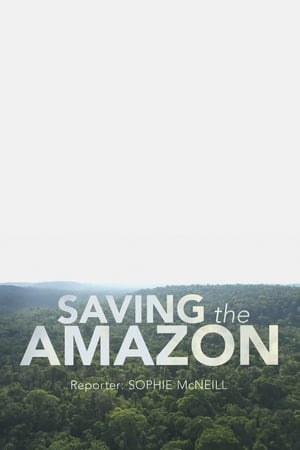
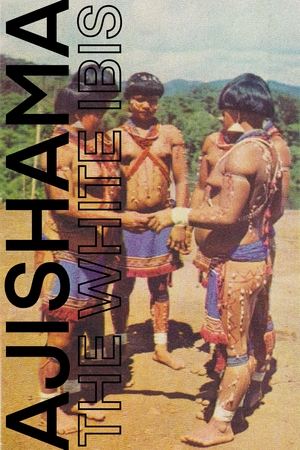
The climate is changing, and the Indigenous peoples of the Xingu Indigenous Park, in Mato Grosso, Brazil, are reading the signs everywhere. Trees no longer bloom when they should, fires spread through the forest, the cicadas that once announced the rains have fallen silent, and crops spoil before they ripen. The swallows that used to herald the rainy season no longer appear in the sky. Surrounded by decades of deforestation for soy, corn and cattle, the Xingu peoples look at these devastating changes and wonder what kind of future awaits their grandchildren.
The Amazon plays a vital part in regulating the planet's temperature. Yet, last year, forest destruction in the Brazilian Amazon soared by 85 per cent. Illegal logging and slash-and-burn agriculture are decimating the land. With huge profits to be made, the Amazon is a dangerous place to ask questions. Despite the threat, the Amazonian tribes want the world to hear their message.
Documentary about Indigenous peoples' profound connection to nature and their struggle against deforestation, a grave threat to their way of life and the ecosystem they call home.
Scenes of daily life in the Indian communities of Ecuador.
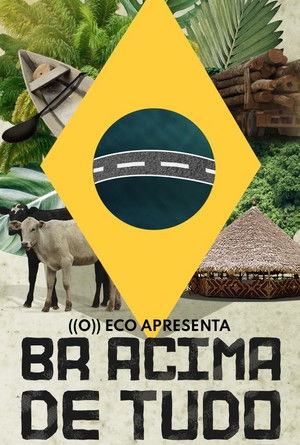
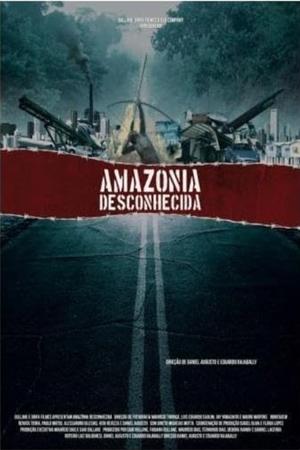
In the north of the state of Pará is the largest block of protected forests in the world; an area of Amazon rainforest the size of the UK and home to a multitude of stories. Indigenous people, ranchers, squatters, quilombolas, businessmen and politicians reflect in their own way the impacts of the possible expansion of the BR-163 into the forest, as far as the border with Suriname. The highway project was created at the time of the military dictatorship, and until today as a shadow over the region. But this is not a movie about a road. It is a film about the abysses that separate those who share the same land.
Ikátena
Les secrets des fresques d'Amazonie
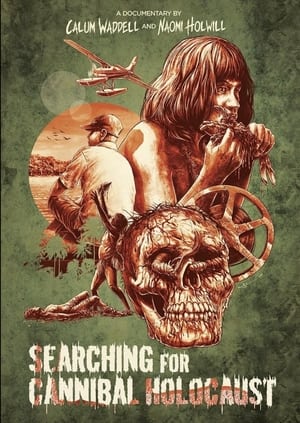
Italian horror fan and academic Calum Waddell speaks with some of the original makers of the controversial horror classic "Cannibal Holocaust" before venturing into the Amazon jungle and surrounding city port, Leticia, to uncover some of the local stories behind the making of the motion picture. What is uncovered, however, leads to a wider and unexpected "true crime" story.
Lovci lebek
Documentary about the conflicts currently involving the Amazon. The film captures the everyday activity of several social groups fighting for their space, such as indians, landowners, landless workers, prospectors, among others. Scientists, specialists and public figures are interviewed, aiming to map out the current state of things and the consequences of the human occupation of the Brazilian Amazon.
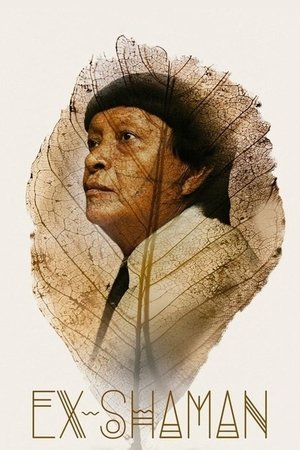
Ever since their first contact with the Western world in 1969 the Paiter Suruí, an indigenous people living in the Amazon basin, have been exposed to sweeping social changes. Smartphones, gas, electricity, medicines, weapons and social media have now replaced their traditional way of life. Illness is a risk for a community increasingly unable to isolate itself from the modernization brought by white people or the power of the church. Ethnocide threatens to destroy their soul. With dogged persistence, Perpera, a former shaman, is searching for a way to restore the old vitality to his village.
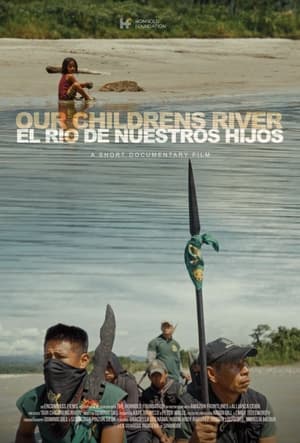
Across the Amazon, Indigenous guards are unarmed patrols that peacefully defend ancestral territories against threats like oil, mining and poaching. They use diverse technologies to monitor their lands, and when necessary, force out illegal operations and actors. Most of this daily work, which involves lengthy hikes and patient observation, goes unseen. This film depicts the process of the Indigenous Guard: its patrols, its watchful vigilance over the landscape, and its support of the community. Their work as guards helps ensure that destruction in the Amazon doesn’t advance, and that their community has the vital space it needs to live life on their own terms.
Grompes, Curumí y la niña de la papaya
A conquista da floresta
Do Corpo à Caxirola
Le Grand Entretien avec Philippe Descola
Shot in Venezuela over a 30-year period, this documentary depicts the life and work of José Maria Korta, the controversial Jesuit Missionary with the Ye'kwana people of the Amazon.
The epic story of the first contact, encounter, approach, betrayal and, eventually, life-transcending friendship, between Karamakate, an Amazonian shaman, last survivor of his people, and two scientists that, over the course of 40 years, travel through the Amazon in search of a sacred plant that can heal them. Inspired by the journals of the first explorers of the Colombian Amazon, Theodor Koch-Grunberg and Richard Evans Schultes.
A tribe of vicious female warriors terrorizes the countryside, and especially the males, until one day the men and some local villagers decide to fight back.
Narrated by anthropologist Terry Turner, this illuminating documentary looks at the dramatic changes effecting central Brazil's Kayapo Indians as they adjust to the growing influence of modernity on their tribal culture. The confluence of the ancient and the contemporary in Kayapo daily life -- from hunting tortoises to protesting the building of a government dam to using modern electronics -- is a fascinating study in contrasts.