Shot in part at 10,000 feet at Gross Reservoir in Colorado over a span of 12 years, this short film, featuring the indomitable Rennie Harris, shares a dreamscape glimpse into the vernacular dance form, hambone, or “Patin’ Juba.” This work positions the powerful resilience of the Black male body in the face of white surveillance and the survival and evolution of the dance/music form of hambone within and beyond the histories of enslavement.
From his Memphis studio, Ernest Withers’ nearly 2 million images were a treasured record of Black history but his legacy was complicated by decades of secret FBI service revealed only after his death. Was he a friend of the civil rights community, or enemy—or both?
The role of African American soldiers during the World War II Allied invasion of Normandy.
The history of warfare as it relates to global Black society, broken down into 7 chapters that examines the ways the system of racism wages warfare from a historical, psychological, sexual, biological, health, educational, and military perspective.
Civil Rights Movement activist, TSSAA Hall of Fame Basketball Coach, swim coach, teacher, musical director, father, grandfather, and friend to many, Coach Sylvester Ford Sr. was known by many as “Big Time.” The nickname was given to him as a kid for his height, but “Big Time” showed time and time again why his nickname was about way more than his looks– it’s also because of how he showed up big for his community. Hometown Feature Audience Award winner at Indie Memphis 2024, Big Time chronicles the life of legendary Memphis basketball coach, Sylvester Ford Sr., while inspiring us all to live “big time” lives along the way.
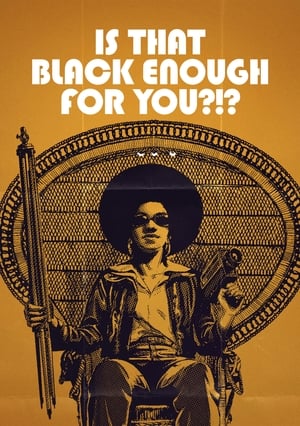
A look at the Black revolution in 1970s cinema, from genre films to social realism, from the making of new superstars to the craft of rising auteurs.
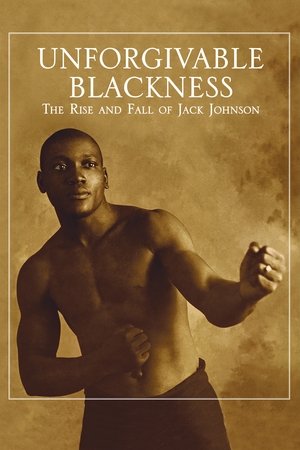
The story of Jack Johnson, the first African American Heavyweight boxing champion.
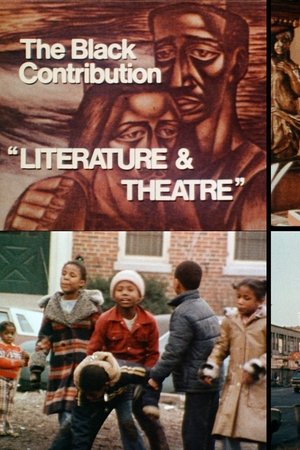
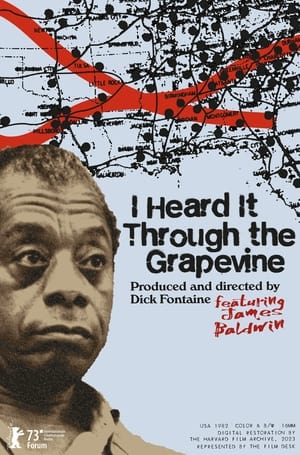
The Black Contribution – Literature and Theater 1978 is a rare documentary highlighting the voices and cultural impact of African American writers and performers during the civil rights era. Introduced by NAACP leader Benjamin Hooks and narrated by Roscoe Lee Brown, the film weaves together dramatic readings, theatrical excerpts, and candid urban street footage. Margaret Walker’s poem For My People is performed alongside scenes of daily Black life in New York City — children playing, families on stoops, open fire hydrants, and the realities of poverty in 1970s neighborhoods. James Baldwin appears in interview footage, while signs for his play The Amen Corner and stage excerpts from Lorraine Hansberry’s A Raisin in the Sun underscore the powerful presence of Black voices in American theater. With rare shots of Harlem life, literature, and performance, this film documents the enduring contributions of African American artists to U.S. culture and history.
Until 1942 around 100 German propaganda films were made, that were set in Africa. They were produced in Germany, with Black Germans and Africans living in Germany. Who were these Black extras and how did they come to Germany? Why did they work in film-making? Which roles did they play and what messages did they send? What were their daily experiences as Black people during the Weimar Republic and the Nazi Regime?
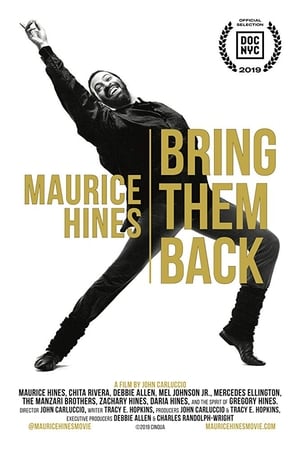
Maurice Hines -- actor, director, singer, and choreographer -- navigates the complications of show business while grieving the loss of his more famous, often estranged younger brother, tap dance legend Gregory Hines.
Using newly uncovered historical documents, this documentary short pieces together the most complete and accurate account of the life of Viro Small ever told. Nicknamed "Black Sam of Vermont" for his ties to the Green Mountain State, Small was a pro wrestling pioneer who reached the height of his notoriety in 1880's New York City.
A small urban city with a gargantuan wealth of history, contributions, and changes. From the steel industry, music, politics, education, and sports; Gary, Indiana has made its mark on the region, state, and country. With all of the richness found in this jewel in northwest Indiana, why has it declined economically and will it become "City of the Century" as it was previously?
An animated satire on the question of self-image for African American women living in a society where beautiful hair is viewed as hair that blows in the wind and lets you be free. Lively tunes and witty narration accompany a quick-paced inventory of relaxers, gels, and curlers. This short film has become essential for discussions of racism, African American cinema, and empowerment.
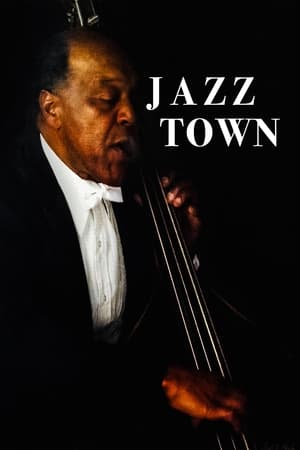
The Harlem Blues & Jazz Band during its sunset years: 87-year-old Al Casey, who had worked closely with Fats Waller throughout the 1930s; guitarist Lawrence Lucie, 95 years young, from the bands of Louis Armstrong, Benny Carter and Duke Ellington; saxophonist Bubba Brooks, 79, who was with Bill Doggett; Edwin Swanston, 80, pianist with Louis Armstrong's Orchestra; 91-year-old drummer Johnny Blowers, ex-Bunny Berigan, Billie Holiday and Frank Sinatra; Ivan Rolle, 85, bassist with Jonah Jones; and 88-year-old Laurel Watson, one-time vocalist with Duke Ellington and Count Basie. Baron's cameras record the musicians through their tours and concerts, capturing their joy in performing together. A celebration of the jazz spirit.
Musician, banjo-maker, and founder of the Black Banjo Reclamation Project Hannah Mayree organizes workshops and performances celebrating the banjo's Black history.
In 2010, The Carolina Chocolate Drops stunned the music world, taking home the Traditional Folk Album Grammy for their debut album, Genuine Negro Jig. Founded in 2005 in Raleigh, North Carolina, the old-time string band members included Rhiannon Giddens, Dom Flemons and Justin Robinson, who were all inspired by the work of black fiddler Joe Thompson. As the documentary charts the band’s sudden rise, it also looks at the influence of their mentor, Thompson, and the African origins of the banjo.
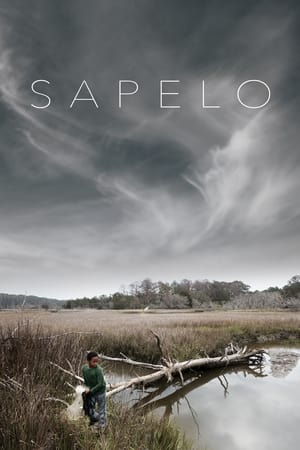
Sapelo is a feature-length documentary film that journeys within a unique American island to tell the story of two young brothers, their adoptive mother, and the last remaining enclave of the Saltwater Geechee people.
For 'Et les chiens se taisaient' Maldoror adapted a piece of theatre by the poet and politician Aimé Césaire (1913–2008), about a rebel who becomes profoundly aware of his otherness when condemned to death. His existential dialogue with his mother reverberates around the African sculptures on display at the Musée de l'Homme, a Parisian museum full of colonial plunder whose director was the Surrealist anthropologist Michel Leiris.
A rare close-up of the Abakuá —an Afro-Cuban religious brotherhood that has been hidden from outsiders until recently. A symbol of resistance for over 200 years, the Abakuá society has managed to survive slavery, the Spanish domination and the Revolution, spite of all the bias and misunderstandings about their traditions and rituals.
Take a trip back to Utah in the ’70s, when a new emerging culture clashed with tradition and institution. More than just disco and drugs, the 1970s were a time of great upheaval, socially, politically, and economically. Hear it from the mouths of the people who lived it, and see how the 1970s helped define Utah as a place for growth and a groovy new outlook on life.