Filmmaker Anand Patwardhan looks to history and psychology as he delves into the possible reasons behind the demolition of the Babri Mosque.
This portrayal of the rhythm of life and work in a gigantic textile factory in Gujarat, India, moves through the corridors and bowels of the enormously disorienting structure—taking the viewer on a journey of dehumanizing physical labor and intense hardship.
The film explores the campaign waged by the Hindu right-wing organisation Vishva Hindu Parishad to build a Ram temple at the site of the Babri Masjid in Ayodhya, as well as the communal violence that it triggered. A couple of months after Ram ke Naam was released, VHP activists demolished the Babri Masjid in 1992, provoking further violence.
In a poetic hour and a half, director Mani Kaul looks at the ancient art of making pottery from a wide variety of perspectives.
Dalits, in the Indian caste system, belong to the lowest social sphere and are therefore subject to regular discrimination and violation of their basic human rights. Also referred as “untouchables,” this group was vindicated by B. R. Ambedkar, a Dalit who earned doctorate degrees abroad and fought for the emancipation of his people. In 1997 a statue honoring him was desecrated, unleashing the rage of the Dalit community, but instead of getting support by the authorities, ten persons were murdered. This documentary took 14 years to be made and it captures the music and poetry of this people, showing a tradition against superstition and religious bigotry that has strived since the times of Buddha.
Three women share their experience of navigating the app-world in the metro city. The sharings reveal gendered battles as platform workers and the tiresome reality of gig-workers' identities against the absent bosses, masked behind their apps. Filmed in the streets of New Delhi, the protagonists share about their door-to-door gigs, the surveillance at their workplaces and the absence of accountability in the urban landscape.
The river Yamuna, known to the locals as 'Jamna', the lifeline of Delhi, is going through a major crisis due to pollution, mismanagement and sheer ignorance. A documentary crew tries to make sense of the situation by talking to different stakeholders and Shyam - a boatman who relies on the river for his livelihood.
Takes the audience behind the artistry, intellectual spirits, and production of the second season of the holy grail of Indian sitcom.
A meandering brook of moments from two afternoons spent with Vinod Kumar Shukla, his wife and son at their home in Raipur, saunters between the mingling geographies of past, present and future, drifting in and out of pauses – to ponder, to reflect, to reminisce, and to share.
Krishnattam or Krishnanattam (Play of Krishna) is a temple ritualistic art performed at Guruvayur Temple (Guruvayur 680101, Trishshur District, Kerala) by a troupe owned by Guruvayur Devasvam. The performance of Krishnattam is based on Krishnagiti, a poetic text in Sanskrit containing verses and stanzas, written by the Zamorin King Manavedan in 1654. The story of Krishna, described in Bhagavata, Mahabharata and Harivamsha is presented in Krishnattam as songs, dance and acting in a sequence of eight plays (Avataram, Kaliyamardanam, Rasakrida, Kamsavadham, Svayamvaram, Banayuddham, Vividavadham and Svayamvaram) in eight days.
Amidst the urban transformation driven by progress, bulldozers dismantle 'illegal' settlements, leaving countless lives shattered. In the aftermath of such upheaval, one basti, sacrificed to conceal poverty during the G20 summit, and another basti, abandoned by authorities without alternative housing, illustrate the stark realities of displacement. The film delves into the daily struggles of individuals who persist in the rubble of their former homes.
The documentary talks about of the devastating earthquake of 2001 and captures first-person accounts of survivors, rescuers, journalists, photographers, and earth scientists.
A prismatic meditation on pollution in the capital of the World’s biggest free-market democracy and the most polluted and populated city, Delhi – a film about the pollution inside of the human mind.
A charismatic Indian-Nepali boy, lives a bohemian life in a remote Himalayan village. As he transitions from childhood to teenagehood, his poetic journey of perseverance echoes issues that span across ages and communities.
A turbulent newsroom drama that intimately chronicles the working days of broadcast journalist Ravish Kumar as he navigates a spiraling world of truth and disinformation.
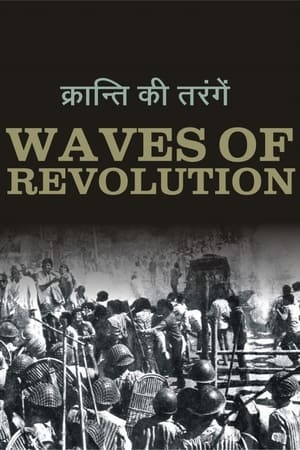
Film made during the repressive days of the Emergency in India documents the 1974-75 uprising of the people of Bihar in Eastern India.
Offers an exclusive behind-the-scenes look at the making of the critically acclaimed film 12th Fail. Featuring Vikrant Massey and visionary director Vidhu Vinod Chopra, the documentary reveals the untold challenges, meticulous efforts, and sheer determination that shaped the movie's success. From Massey's commitment to authenticity-aging his costumes himself-to Chopra's relentless pursuit of excellence, Zero Se Restart captures the resilience and teamwork essential to creating cinematic magic.
At the age of 54, Binode Bihari Mukherjee, an accomplished painter, lost his sight following an unsuccessful cataract operation. He continued to create art despite his loss of sight. The documentary explores Binode Bihari’s inner eye that guides his fingers to create art.
When most people think about Australia, they picture massive sandy beaches, singlet-clad locals drinking beer, and kangaroos bounding through the dusty red outback. Saris, musical numbers, and masala are the furthest from anyone's mind - unless of course, you're one of the millions of Bollywood fans from around the world.
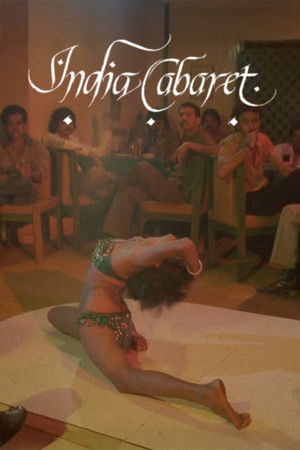
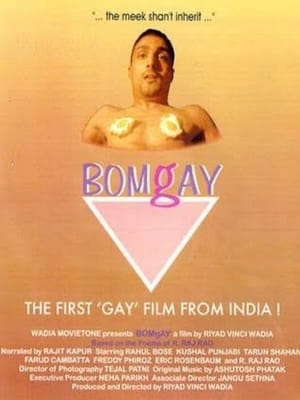
An exploration of the 'respectable' and 'immoral' stereotypes of women in Indian society told from the point of view of two striptease dancers in a Bombay cabaret.