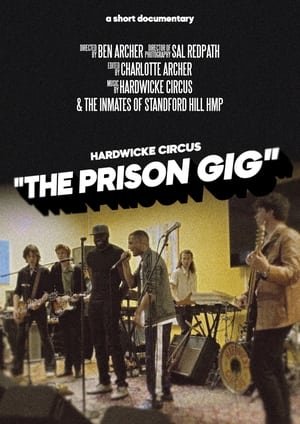
A short, low-budget documentary that follows a small jobbing band from the north of England called 'Hardwicke Circus' as they perform a gig and music workshop at 'Standford Hill HMP', a men's prison on the Isle of Sheppey in the south of England. Shot in Ben Archer's fly-on-the-wall 'gonzo' style of filmmaking and taken from the band's late-2019 tour of England's south coast, this documentary focuses on the joy of performance and music in an environment that does not often allow such expression. Bookended by short commentary from the band's lead singer Jonny Foster, 'Hardwicke Circus: The Prison Gig' is an uplifting ode to the power and necessity of art, even for those that society have deemed not to deserve it.
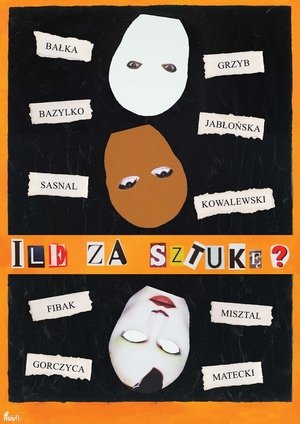
Art, auctions, huge valuations of individual works, a market full of enigmas. The inaccessibility of the art world and its business mechanisms, incomprehensible to many, have always worked on the imagination. However, the incredible growth of interest in buying art in Poland over the past few means that the curtain of mysticism must be slowly falling. A look at the Polish art market, which with the political transformation has changed from a marginal and obscure curio to a modern, professional machine, opening for some artists of the youngest generation the gates of success inaccessible to their predecessors.
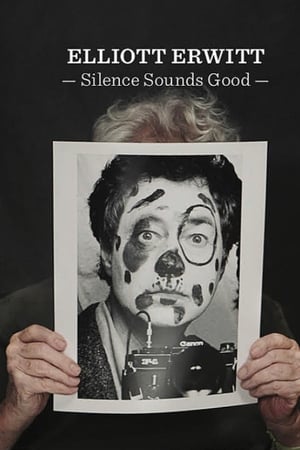
Elliott Erwitt has spent his entire adult life taking photographs, of presidents, popes and movie stars, as well as regular people and their pets. His work is iconic in world culture while his life is largely unknown.
Graça Morais – As Escolhidas
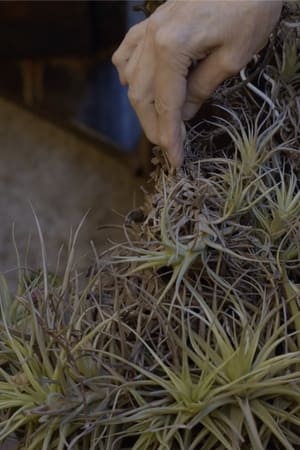
The film portrays the return to home and encounter with lost memories. Air Carnations explores the possibilities of filmmaking to put pieces together through the editing process. Researching different perspectives on the filmmaker’s childhood home in Chile, interviews with their mother and sister reveal complex family dynamics.
a state that used religion to control the mass. the mass reduced politics to the personal (social and domestic). religious shrines became political. And political figures became the new god. meanwhile, lebanon is collapsing. in this film, we are roaming within the lebanon with three individuals that are living the consequences of a failed state.
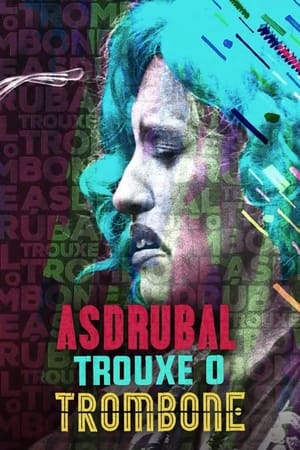
Asdrúbal Trouxe o Trombone
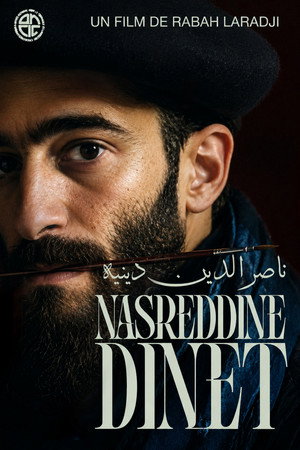
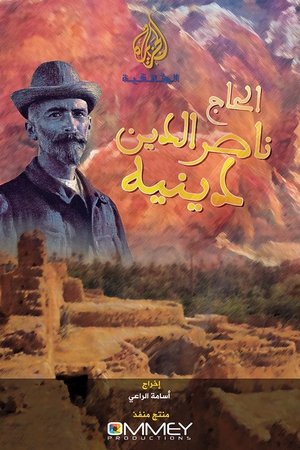
Étienne Dinet (إتيان دينيه), born March 28, 1861 in Paris, where he died on December 24, 1929, was a French painter and lithographer. He was one of the leading representatives of Orientalist painting at the turn of the 19th and 20th centuries. Obtaining a scholarship in 1884, Dinet undertook his first trip to southern Algeria in the region of Bou-Saâda, the Naili culture having a profound impact on him, as he would return there many times until he settled in his first Algerian studio in Biskra in 1900. In 1905, he bought a house in Bou-Saâda to spend three-quarters of the year there. In 1907, on his advice, the Villa Abd-el-Tif was created in Algiers, modeled on the Villa Medici in Rome. Having lived much of his life in Algeria, he called himself Nasreddine Dinet (نصر الدين ديني) after converting to Islam. On January 12, 1930, he was buried in the Bou-Saâda cemetery, where a museum that houses many of his works bears his name.
Étienne Dinet, born March 28, 1861 in Paris, where he died on December 24, 1929, was a French painter and lithographer. Having lived much of his life in Algeria and recognized during his lifetime, he called himself Nasreddine Dinet after converting to Islam.
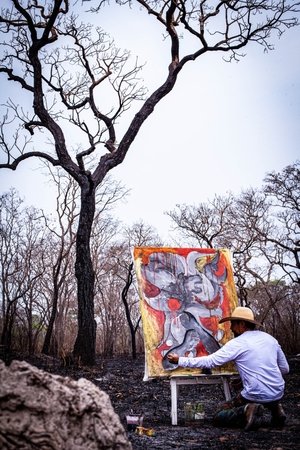
Draped in an electric blue fabric, the artist acts as a conduit between the tangile and the spiritual, blurring the boundaries between human form and natural elements.
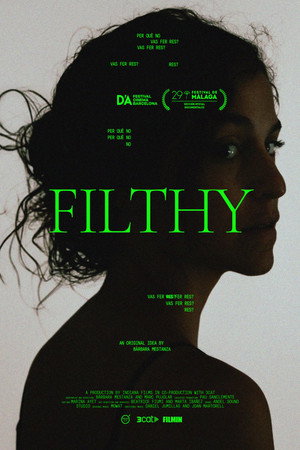
When an actress goes looking for the man who assaulted her, she turns her trauma into art and asks the question nobody wanted her to: why didn't you do anything?
Renasça
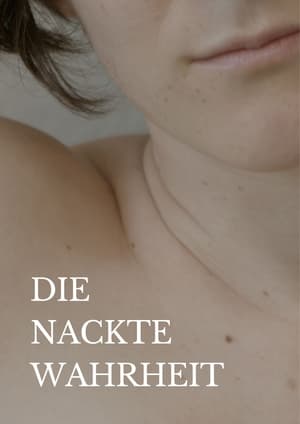
A painter, a naked woman, and a camera. In this triple constellation we explore the power of the gaze and the roles it imposes on us. An artist's studio turns into the setting for questions about how we look at and perceive women. The naked skin of the model becomes the canvas for an audiovisual exploration of the ways in which seeing and being seen anchors us in our body. And how this body shapes our experience of the world and our role in it.
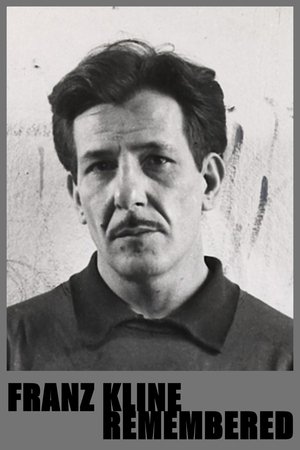
This documentary offers an intimate look at the life and legacy of American abstract expressionist Franz Kline. Through personal memories and reflections from those who knew him—such as fellow artist Willem de Kooning, de Kooning’s wife Elaine, and other contemporaries—the film paints a vivid portrait of Kline’s personality, artistic spirit, and lasting influence. Known for his powerful black and white compositions and bold brushwork, Kline is remembered not only for his art, but also for his wit, warmth, and passionate approach to painting. The episode explores both his creative process and the deep friendships that shaped his career.
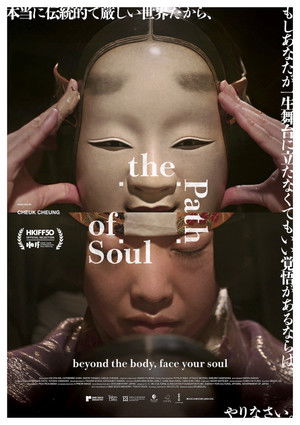
Shifting his lens from Cantonese opera to Japanese Noh drama, documentary filmmaker Cheuk Cheung continues his exploration of complex gender issues ingrained in traditional theatres. For seven centuries, only the male body has been granted the privilege to inhabit this highly stylised art form that embraces spirituality in subtle movements. The film traces the journey of third-generation Noh performer Uzawa Hikaru, a young woman who makes her presence in the male-dominated space; yet behind the mask lies a daughter yearning to seek a resolution beyond her mother’s path – a quest to fuse body and soul in pursuit of the profoundly mysterious aesthetic.
A film about and with Max Ernst.
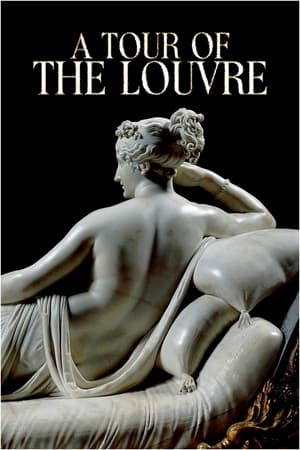
The tumultuous history of the Louvre Museum, founded in 1793, and its fabulous art collections, an immortal testimony to the destiny of France and all of Europe.
Not For Sale: Feminism and Art in the USA during the 1970s
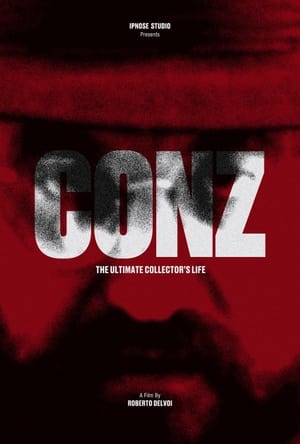
The story of one of the most controversial characters in art collecting whose name continues to provoke and divide. Francesco Conz tried to exceed the border between art and life. An entrepreneur from Veneto, in the mid-1970s he decided to give up everything he had to devote himself with great determination to his devouring passion for the artistic avant-gardes of the second half of the twentieth century, which would turn into a real obsession until the tragic ending.
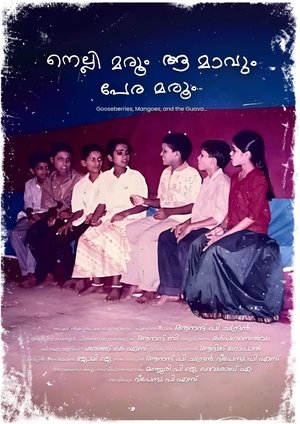
Set against the vibrant backdrop of Kerala's legendary School Kalolsavam, this film is a heartfelt exploration of memory, identity, and tradition.