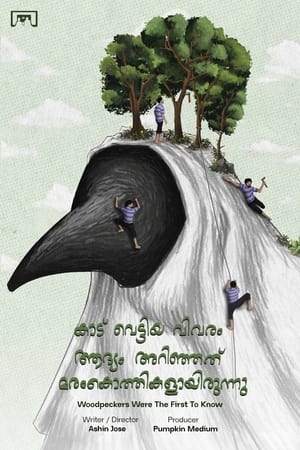
Maanish belongs to a group of tree cutters. While returning home, he accidentally lost an axe he was supposed to hold onto. Despite all his efforts, he can't recover the axe. Maanish is then approached by a bizarre creature named Maramkothy, who promises to help him retrieve the lost axe.
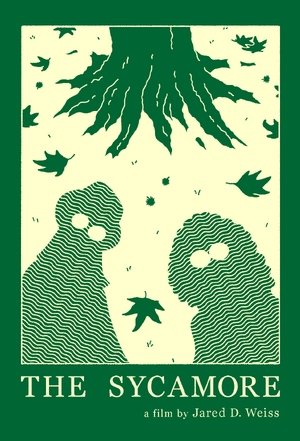
Two weary travellers seek out shade and sustenance from an idle tree. Based on the fable, "The Travellers and the Plane Tree" by Aesop.
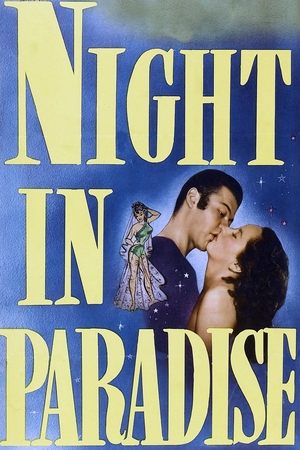
Aesop of fable fame poses as an old man and woos away a princess who wants a king for his gold.
Ash awakes to find his apartment ransacked and a mysterious stranger trapped on his roof terrace. Who is she? And why can't he recall the events of the night before? Tensions rise to a climactic altercation, prompting the stranger to share a fantastic tale. Inspired by the Aesop fable of the same name.
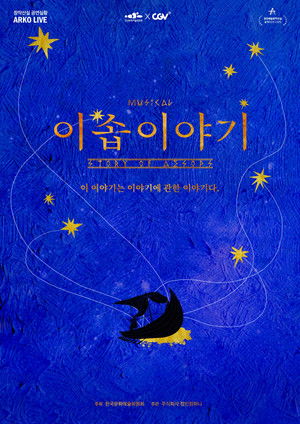
Musical Story of Aesops
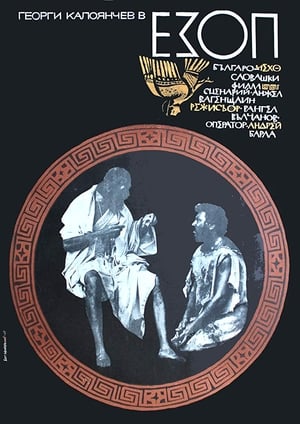
This film brings us back to show us the life of the famous ancient sage Aesop, who helped people with his wisdom in their struggle for freedom and happiness.
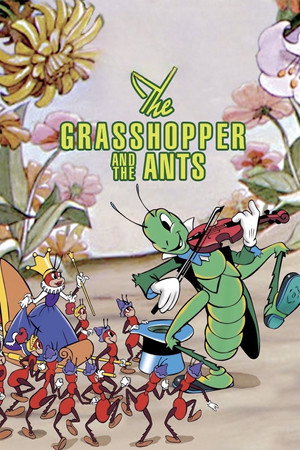
As in the classic fable, the grasshopper plays his fiddle and lives for the moment, while the industrious ants squirrel away massive amounts of food for the winter. With his song, he's able to convince at least one small ant until the queen arrives and scares him back to work. The queen warns the grasshopper of the trouble he'll be in, come winter. Winter comes, and the grasshopper, near starvation, stumbles across the ants, who are having a full-on feast in their snug little tree. They take him in and warm him up. The queen tells him only those who work can eat so he must play for them. Written by Jon Reeves
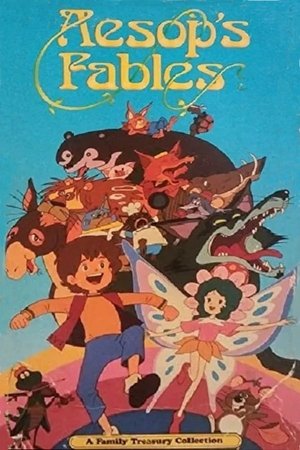
Aesop is a trouble-making young boy who finds himself in another world filled with creatures he never believed to exist, such as fairies and talking donkeys. He sets off to find a way back to the normal world. On his journey he befriends many classical creatures from well-known fables and encounters many trials, each teaching him a valuable lesson.
A dog finds a bone. Based on the fable, "The Dog and Its Reflection" by Aesop.
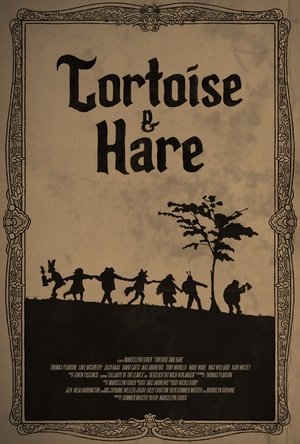
In this darkly comedic twist on the Aesop fable, a down-on-his-luck Tortoise will stop at nothing to beat the arrogant, psychopathic Hare in a footrace.
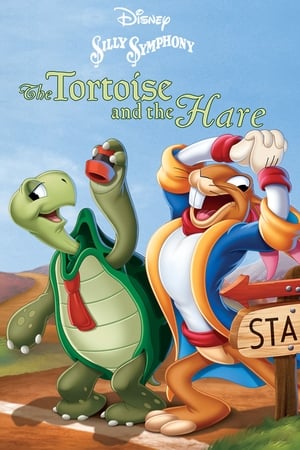
The Tortoise and the Hare is an animated short film released on January 5, 1935 by United Artists, produced by Walt Disney and directed by Wilfred Jackson. Based on an Aesop's fable of the same name, The Tortoise and the Hare won the 1934 Academy Award for Best Short Subject: Cartoons. This cartoon is also believed to be one of the influences for Bugs Bunny.
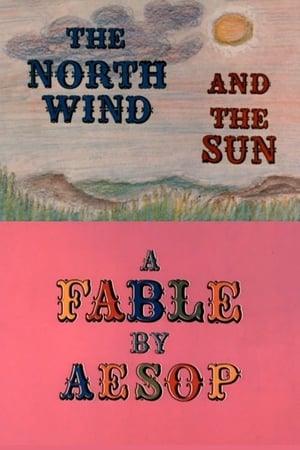
An engaging illustration, by animation artist Rhoda Leyer, of the fable in which the warm sun proves to the cold wind that persuasion is better than force when it comes to making a man take off his coat.
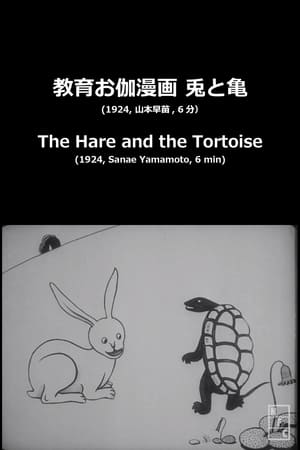
A retelling of the classic Aesop Fable, The Tortoise and the Hare.
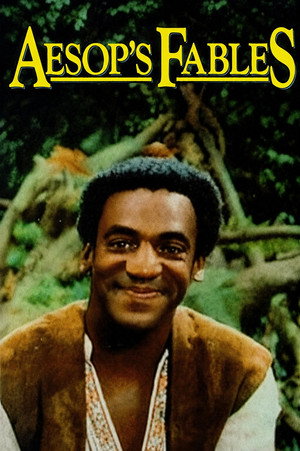
A collection of the classic morality tales narrated by Bill Cosby as "Aesop" that have been passed down from family to family for thousands of years. Every story has a lesson.
An Aesop's Fables cartoon with monkeys monkeying around.
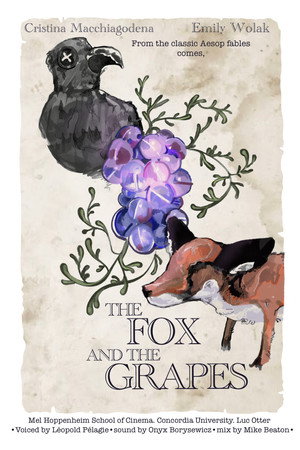
A fox attempts to eat some delicious grapes, an Aesops Fables
Inspired by Picasso's Guernica (1937), this film is fundamentally about the Israeli-Palestinian conflict.
As Robin Williams runs lines energetically on the set of “Mork & Mindy,” his co-star Pam Dawber interrupts him to deliver the news of John Belushi’s death.
A terrified young girl comes face to face with Death and only one can save her.
Six episodes set in and focusing on the history of Brasília, the capital of Brazil. Episode list: A Paisagem Natural (dir. Vladimir Carvalho), O Sinal da Cruz (dir. Pedro Jorge de Castro), A Volta de Chico Candango (dir. Roberto Pires), Além do Cinema do Além (dir. Pedro Anísio), Suíte Brasília (dir. Moacir de Oliveira) and A Capital dos Brasis (dir. Geraldo Moraes).