This documentary is about sexism and masculinity. It’s also a journey through reflections on male condition, an attempt to strip away beliefs, myths and prejudices about masculinity. Why is there violence against women? We try to answer that by the hand of a former pimp trapped by his past and an artist, son of a prostitute, who transforms his pain into provocative performances. In parallel, the class of a high school teacher and a team of publicists become debate scenarios on the same theme, while interspersed reflections of several influential men who address the issue of masculinity from multiple points of view. A rich and complex approach that invites us to reflect on our own gender related education and socialization.
Behind the closed doors of the Copenhagen-based women's shelter, the women and children are slowly recovering after having escaped domestic violence. Day by day the women are processing their traumas, building confidence and slowly understanding what it takes to break the cycle of violence.
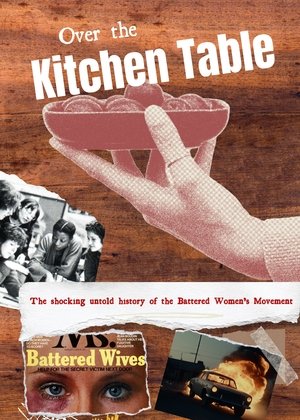
After years of being silenced through violent opposition, Norma Burton, one of the key founders of the first women’s shelter in Tulsa, OK, tells an untold story of the battered women's movement. In the late 1970s and early 1980’s LGBTQ, BIPOC, and formerly abused women across the US gathered in secret to create a grassroots movement that became today's National Coalition Against Domestic Violence, despite persecution and death threats. Norma recounts to her daughter, director Nisha Burton, how she and her collaborators alerted the police of rising cases of domestic violence and ultimately decided to take matters into their own hands by conducting support gatherings in their homes around the kitchen table. These meetings led to the founding of the first battered women’s shelter in Tulsa, OK in 1975. The years that followed were filled with harassment and verbal and physical attacks on Norma and fellow organizers, but today these courageous advocates continue to support the movement.
An intimate, fantastical and narrative-driven reflection of Jennifer Lopez's journey of self-healing and self-love in an immersive world where music and visuals intertwine, revealing the challenges faced and the triumphs achieved.
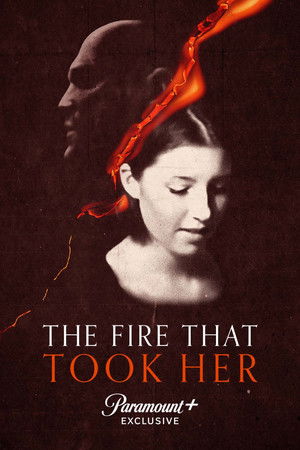
Mother-of-two Judy Malinowski, then 31, was doused in gasoline and set on fire by her crazed boyfriend – and one of the first ever to testify from beyond the grave, at the trial for her own murder. A story that lives at the intersection of true crime and #MeToo, THE FIRE THAT TOOK HER goes deep inside a landmark case to ask a timely question: How much must women suffer in order to be believed?
Celebrated author and Nation magazine sports editor Dave Zirin tackles the myth that the NFL was somehow free of politics before Colin Kaepernick and other Black NFL players took a knee.
Filmmakers Alan and Susan Raymond spent three months in 1976 riding along with patrol officers in the 44th Precinct of the South Bronx, which had the highest crime rate in New York City at that time.
A biographical documentary that delves into the controversial personal life of iconic singer Chris Brown, charting his journey from a troubled childhood to global superstardom. It explores his violent public record, including allegations of domestic violence, assault charges and sexual misconduct, while questioning how a man with such a turbulent history maintains his celebrity status. With expert and cultural commentary layered throughout, the film offers thoughtful reflections on the cycle of abuse and its lasting psychological impact, shedding light on the experiences of survivors and the aftermath of their trauma.
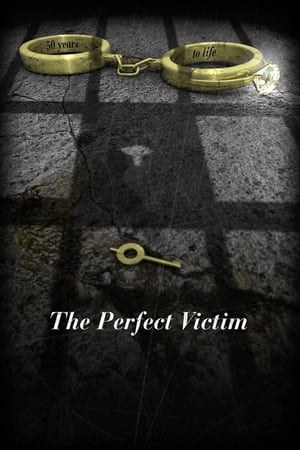
For over thirty years, three women have languished in Missouri State prison under unjust sentences for killing their abusive husbands. Denied the opportunity to enter the abuse into evidence, each of the women represents a system broken by outdated and media-sensationalized stereotypes. When a greater understanding of the "battered" syndrome change legal practices in 2000, Missouri's Governor crafts a new law demanding the parole board reevaluate each woman's case.
This documentary film reveals how domestic violence occurs in real families. This film takes the audience into the stories hidden behind the doors of houses that appear peaceful from the outside, revealing the mental and physical suffering experienced by the victims. This film also tells the story of their struggle to find a way out of the cycle of violence, as well as the process of recovering from this trauma, by presenting narratives from victims, experts and psychologists.
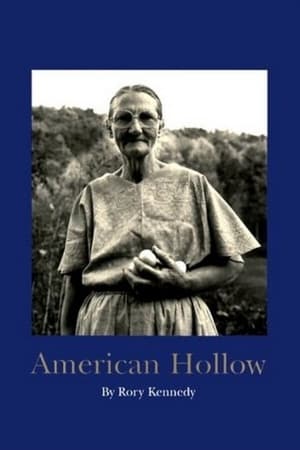
This documentary follows the lives of the Bowling family as they fight to survive in dirt-poor Appalachia. Matriarch Iree has given birth to 13 children, but only two have left to seek better lives in Ohio while the rest have married and started their own impoverished families near home. Uneducated and unskilled, all are unemployed, and domestic violence and alcoholism pose serious problems. The filmmakers explore the family's relationships through interviews and footage of their daily lives.
Stacey Dooley goes behind closed doors and speaks to the now younger face of domestic violence. She questions victims and abusers to try and understand how deep the issues surrounding domestic abuse are for those who have survived and those currently experiencing the abuse.
Mariem, 53, a former estate agent, has been living at a shelter for several months. Surrounded by women in far more precarious circumstances than herself, she tries to regard her unprecedented social downfall as an immersion in real life. By the time she leaves, Mariem’s view of the world will have changed forever, enriched by all the women she has met along the way.
Dear Dad
Christy Martin broke boundaries and noses as she rose in the boxing world, but her public persona belied personal demons, abuse and a threat on her life.
The film chronicles Nina Simone's journey from child piano prodigy to iconic musician and passionate activist, told in her own words.
After four years away, Huiju returns home to South Korea. Exchanges with her loved ones are awkward and clumsy. Huiju turns once again to her familiar rituals: pruning the trees, preparing a sauce, tying a braid.
AND SO I STAYED is an award-winning documentary about survivors of abuse fighting for their lives and spending years behind bars. These women paid a steep price with long prison sentences, lost time with loved ones, and painful memories. Formerly incarcerated survivor-advocate Kim Dadou Brown, who met her wife while incarcerated, is a driving force in the passage of New York’s Domestic Violence Survivors Justice Act (DVSJA), a new law meant to prevent survivors from receiving harsh prison sentences for their acts of survival. Nikki Addimando, a mother of two young children, suffered the consequences when a judge didn’t follow the law’s guidelines. Tanisha Davis, a single mother who was ripped away from her son in 2013, is hopeful the new law is her way out of a harsh prison sentence.
‘Over the course of several summer days in Split I talked to my mom about everything. I mean, really everything.’
The film examines the painful relationship between fathers and sons through the eyes of one family. Four generations of men are featured in the film. Father to Son deals with the conflict between generations and their subjective memories, and the way different methods of raising children pass from one generation to the next. How often and to what extent do we repeat the behavioural patterns of our fathers; can we change or break these patterns or is repeating them inescapable, and how many generations are needed for change to occur? Are the values we have inherited from our fathers still valid in the modern world? One of the leading themes of this film is the sensitivity of a man and a boy, and its preservation and suppression.