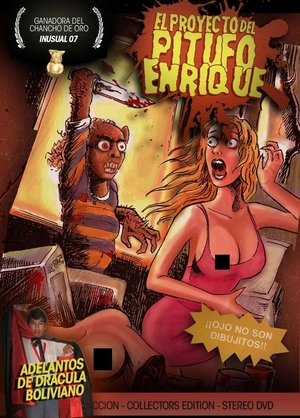
El proyecto del Pitufo Enrique is a document about the existence of a mysterious goblin from the province of Catamarca. During the filming of the movie there were some tragic incidents, such as the disappearance of six people or the violent deaths of another three. Some of these incidents were registered on video but couldn't see the light because of the ongoing legal battle between the director and the victim's families opposing its screening. On the contrary, Elvira Serio director of the movie, thinks that what is on the tape could be of great help shedding some light over all the mysteries around this thread. She hopes that her work can serve as a warning as well to all the residents and tourists who often visit that place.
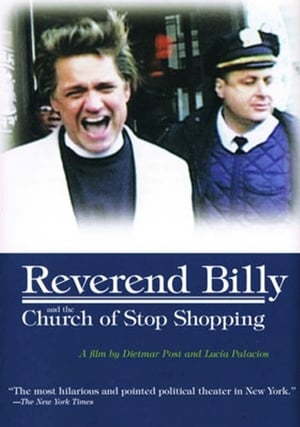
Reverend Billy, a.k.a. Bill Talen, is an actor/performance artist and a leading figure within the anti-globalization movement. His work combines the ideas of social and political change with the means of theater arts to counteract our media-laden culture. The film follows the Reverend's "shopping interventions/actions" into cultural dead zones such as Starbucks, Disney and the New York University construction site at Poe House.
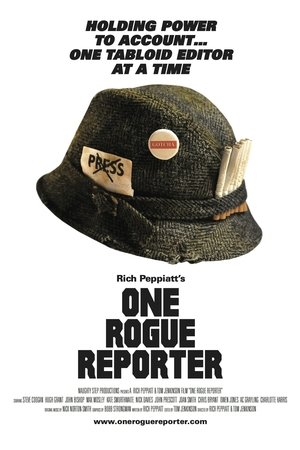
Rich Peppiatt delivers a satirical dissection of the newspaper trade by turning the tables on unscrupulous editors. Through a series of mischievous stunts and interviews with heavyweights of journalism, comedy & politics, Peppiatt hilariously exposes the hypocrisy at the heart of modern journalism.
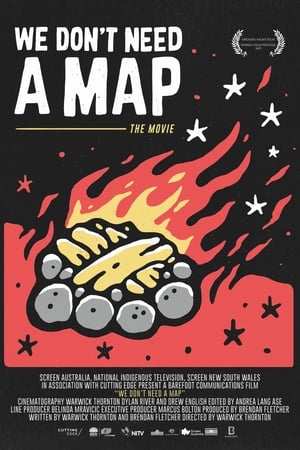
Filmmaker Warwick Thornton investigates our relationship to the Southern Cross, in this fun and thought provoking ride through Australia's cultural and political landscape.
Skatteøens hemmelighed
Nat's life forever changed when he received an email that someone had been urinating in the hallway of his dorm...
A documentary about Spitting Image (1984) and the impact it had, including clips of the most memorable moments and contributions from many of the cast, crew and some of celebrities portrayed on the show.
A poignant portrait of the popular comedian, movie star and musician, who has a terminal illness and has opted to make his last public appearance on Omnibus.
An eight-hour contemplative epic, entirely starring sheep.
Vůně benzínu
Julien Temple's wartime documentary parody "Punk Can Take It" (1979) - a theatrically released promo for the UK Subs, complete with narration by BBC voice-over veteran John Snagge - paints a glorious picture of England in a punk rock "identity crisis". Punk morale was higher than ever before. Punks were fused together not by fear, but by a surging spirit of revenge, immortality, and the courage never to submit or yield. This proved that punk won't go away and that punks themselves are becoming younger and nastier everyday. They have no time for the precarious thrills of nostalgia nor for its trivial rules.
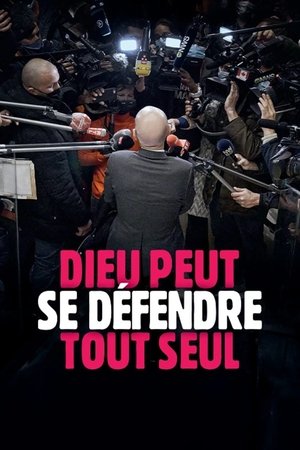
Dieu peut se défendre tout seul
Filmed in Wendover, Nevada, in early 1981, Energy and How to Get It combines documentary and fictional ideas. What began as a documentary film about Robert Golka, an engineer who was experimenting with ball lightning and the development of fusion as an energy force, was turned into a spoof on the documentary form, inserting fictional characters into the story such as the Energy Czar (William Burroughs), and a Hollywood agent (filmmaker Robert Downey). (mfah.org)
Documentary and celebration of the life and career of British comedian Kenneth Williams.
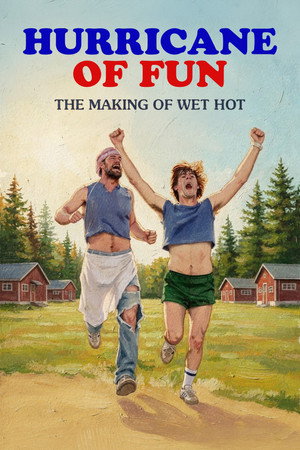
Exclusive behind-the-scenes footage offers a glimpse into the comic minds behind a "Wet Hot" summer-camp cult hit featuring many future stars.
When nothing is sacred, everything is funny. More reality TV shows the networks wouldn't dare air from the warped minds at National Lampoon.
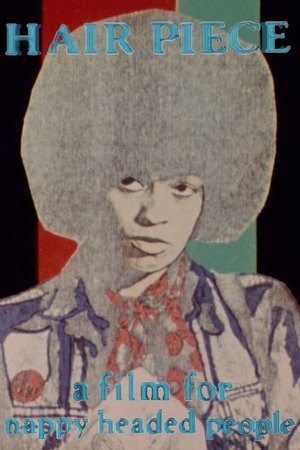
An animated satire on the question of self-image for African American women living in a society where beautiful hair is viewed as hair that blows in the wind and lets you be free. Lively tunes and witty narration accompany a quick-paced inventory of relaxers, gels, and curlers. This short film has become essential for discussions of racism, African American cinema, and empowerment.
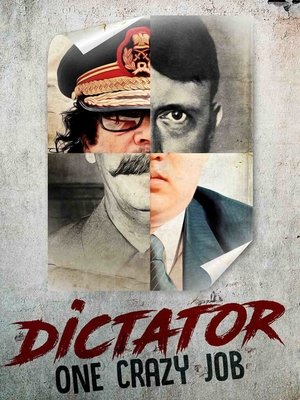
They’ve become the human face of inhuman barbarity. Leaders like Hitler, Idi Amin Dada, Stalin, Kim Jong Il, Saddam Hussein, Nicolae Ceausescu, Bokassa, Muammar Kadhafi, Khomeini, Mussolini and Franco governed their countries completely cut off from reality. These paranoid leaders were driven to abuse their power by the pathology of power itself. Dictators are driven by a relentless, thought-out determination to impose themselves as infallible, all-knowing and all-powerful beings. But they are also men ruled by their caprices, uncontrollable impulses, and reckless fits of frenzy, which paradoxically render them as human as anyone else. The abuses they committed were clearly atrocious, yet some of them were as outlandish as the characters portrayed in the film The Dictator. They sunk to depths worthy of Kafka: so incredibly absurd, they are outrageously funny.
When a student documentary crew decides to interview Julia, a puzzling young woman willing to share her sensitive past, the project grows increasingly uncomfortable for the subject as the director's relentless scrutiny and unethical transgressions soon start to blur the lines between reality and performance.
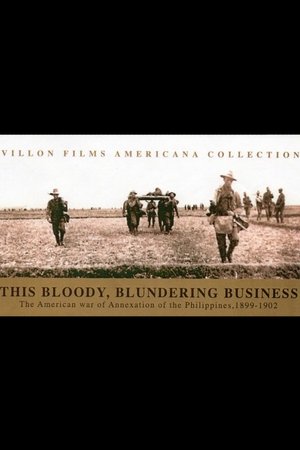
In this satirical rendering of the history of American intervention in the Philippines following the Spanish-American War, the silent movie format with lively ragtime piano music is combined with a dramatically understated narration and excerpts from "newsreels" of the period to reveal the nature of American attitudes toward Third World peoples and significant parallels with contemporary American foreign policy.