Alaska and the Wilds Beyond
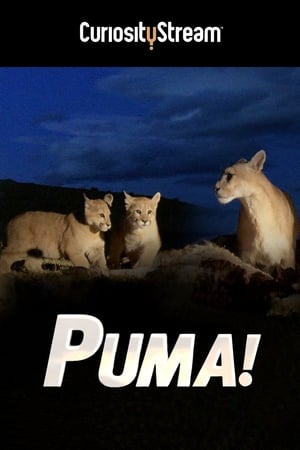
It is a powerful predator, one of the most elusive animals in Patagonia and rarely filmed. In the very South of Chile the Pumas' hunting grounds lie in the awe-inspiring Torres del Paine National Park, follow a mother Puma as she rears her cubs in the wild, teaching them to survive and thrive.
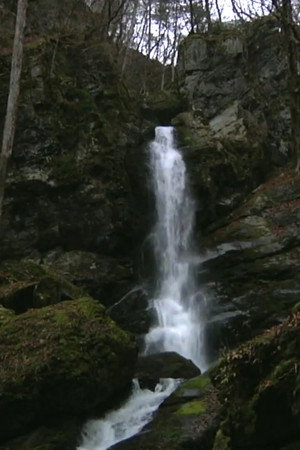
This piece was produced for screening during the intermission of the theatrical release of “Memory Loss” at Aeon Hall inside Aeon Lake Town in 2010. Proper location scouting was carried out, and filming took place over a total of three days in Chichibu. The work was created with the intention of evoking the kind of imagery that used to be broadcast on television in the early morning, just before official programming began.
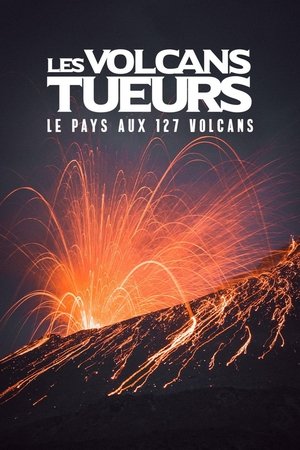
Les volcans tueurs : le pays aux 127 volcans
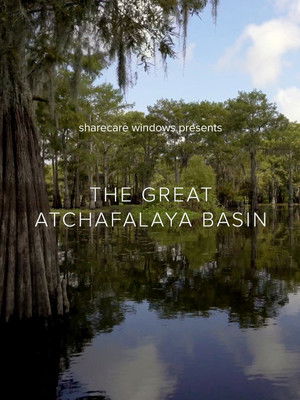
Efforts to save the Atchafalaya Basin are highlighted with stunning visuals of the largest wetland and swamp in the United States. Located in south central Louisiana, it is a combination of wetlands and river delta area where the Atchafalaya River and the Gulf of Mexico converge.
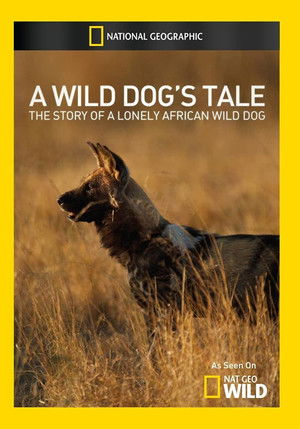
The story of a female African wild dog who has befriended a number of other predators and is helping to raise jackal pups in the Okavango Delta.
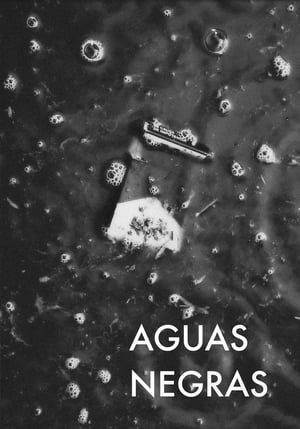
“Aguas Negras” is an experimental documentary about the Cuautitlán River. The film examines the passage of time and the pollution of the river by focusing on conversations with multiple generations of women in the filmmaker's family that have grown up by the river in a municipality identified as having the highest perception of insecurity in the State of Mexico.
Journeying beyond the global headlines around 'Sudan,' the last male northern white rhino in existence, and explore the painful emptiness of extinction through the eyes of Sudan's three primary caregivers. Teetering on borrowed time and with his health in decline, Sudan's looming death and the uncertainty of employment that it will bring hangs over the heads of our three dynamic characters. Their only hope to save the species that they love - and perhaps their livelihood - rests fully in the success of a last resort IVF experiment.
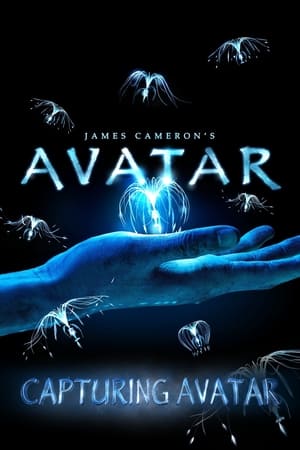
Capturing Avatar is a feature length behind-the-scenes documentary about the making of Avatar. It uses footage from the film's development, as well as stock footage from as far back as the production of Titanic in 1995. Also included are numerous interviews with cast, artists, and other crew members. The documentary was released as a bonus feature on the extended collector's edition of Avatar.
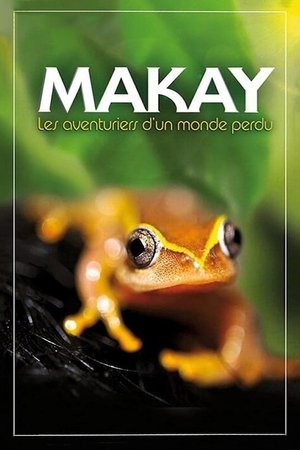
In 2007 the young explorer Evrard Wendenbaum cultivates the dream to lead an international team of researchers to the rocky trails of Makay, an almost unknown region Southeast of Madagascar. Canal + followed his project and decided to make a 90 minute 3D documentary. Pierre Stine directed the shooting with four stereographers from Binocle (Paris, France) in charge of 3D : 2 months of green hell with 90% humidity, temperatures above death valley level, torrential rain, snake bites, and other fun moments.
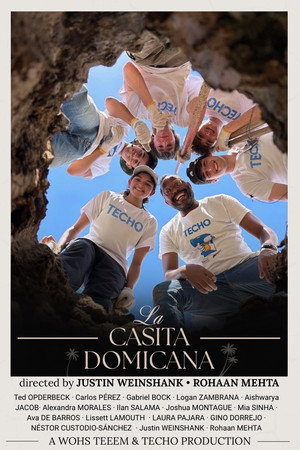
On March 27, 2026, ten students and two teachers set course for the Dominican Republic. Their mission? To change a family's future.
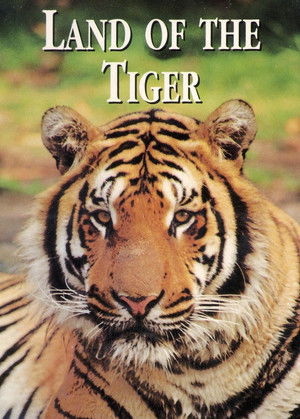
Take a spectacular journey. It starts right here... Explore a strange and mysterious world. Explore the LAND OF THE TIGER. A rare and fascinating study of the enormous jungle cats, LAND OF THE TIGER features spectacular footage of tigers stalking their prey, caring for their young, swimming, playing... and fighting- as well as glimpses of the other animals with which the tiger shares its domain. Come as close as you dare to these wild cats in all their royal splendor as you and National Geographic journey deep into the LAND OF THE TIGER.
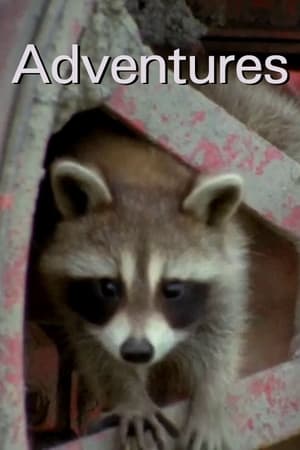
This short live-action film tells the story of a little raccoon who encounters many adventures when he strays from home to explore the world.
The River Emajõgi forms a powerful water world hiding an ancient life. Little Aleksander together with his filmmaker father Remek Meel discovers Alam-Pedja nature reserve and the secrets of its enchanting world. Father and son get acquainted with the hidden life of eagles, beavers, otters, waxwings, great snipes, ravens, penduline tits and Ural owls.
Orca Killing School
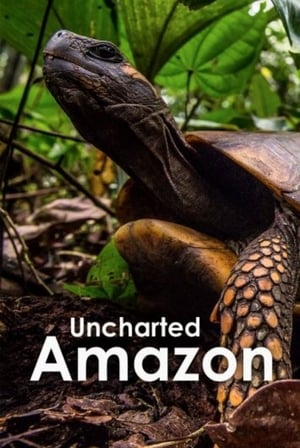
Deep in the jungles of Peru, a silky anteater is fighting to stay awake and a mother humming bird is struggling to raise her chick. Through millions of years of evolution they have developed bizarre relationships and unexpected strategies to overcome them changing conditions, but for all their ingenuity, they were never prepared for the arrival of a new species on the scene.
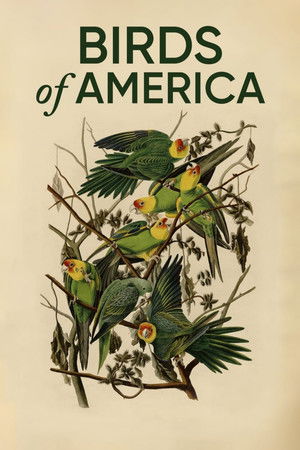
In the first half of the 19th century, the French ornithologist Jean-Jacques Audubon travelled to America to depict birdlife along the Mississippi River. Audubon was also a gifted painter. His life’s work in the form of the classic book ‘Birds of America’ is an invaluable documentation of both extinct species and an entire world of imagination. During the same period, early industrialisation and the expulsion of indigenous peoples was in full swing. The gorgeous film traces Audubon’s path around the South today. The displaced people’s descendants welcome us and retell history, while the deserted vistas of heavy industry stretch across the horizon. The magnificent, broad images in Jacques Loeuille’s atmospheric, modern adventure reminds us at the same time how little - and yet how much - is left of the nature that Audubon travelled around in. His paintings of the colourful birdlife of the South still belong to the most beautiful things you can imagine.
Bonobos show a particularly pronounced sexual activity and an extraordinarily broad spectrum of sexual contacts for primates. These also extend to non-reproductive life phases and partner combinations. For example, homosexual contacts and sexual contacts between young animals or with adults are frequent, and females are ready to mate throughout the menstrual cycle. Bonobos use sexual contacts not only for reproductive purposes, but also in the context of social conflicts, where they have a clear tension-reducing or peacemaking function.
Danse avec les poissons
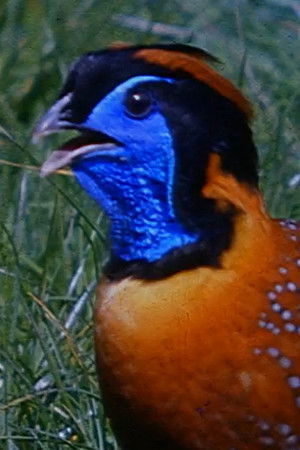
The Bornean Tree Partridge, Chinese Bamboo Partridge, and Indian Peafowl are some of the most colourful, most beautiful, and rarest species of pheasant in the world. Native to Asia, they can be found at The Ornamental Pheasant Trust at Norfolk Wildlife Park, Great Witchingham where the Trust’s devoted founder Philip Wayre has set up a breeding programme to save several species threatened with extinction.