HD Moods Trains takes the high-definition image to levels never seen before available in a consumer product. This title showcases beloved steamers & breathtaking scenic views all in ultra-sharp high definition! Enjoy the exciting sounds of the train or combine the spectacular scenery with an original soundtrack. Product Features Highlights four spectacular trains in cinema-quality high definition See the Union Pacific #844, Nickel Plate #765, the Union Pacific "Challenger" and a special 1930's freight train Choose from classic train sounds or music tracks
A lightning storm shot on May 19th, 2025, entirely on iPhone.
After many years of careful conservation, Banff and Jasper National Parks have become vast zoological gardens. Deer, moose, bear, big-horn sheep, birds and small animals that live above the treeline are natural subjects for the close-up camera, with a backdrop of snowy peaks.
City of Wax is a 1934 American short documentary film produced by Horace and Stacy Woodard about the life of a bee. It won the Oscar at the 7th Academy Awards in 1935 for Best Short Subject (Novelty). Preserved by the Academy Film Archive in partnership with the UCLA Film and Television Archive in 2007.
Discover the truth behind one of the fluffiest animals on Earth: the chinchilla. Native to the Andes Mountains of South America, chinchillas are known for their incredibly dense fur, acrobatic jumps, and unique behaviors like dust bathing and “fur slipping” to escape predators. But there’s more to these rodents than just cuteness. This short documentary explores their biology, habitat, predators, relationship with humans, family life, and five fascinating facts you may not have known. Whether you’re a chinchilla owner, animal lover, or just curious about creation, this is a deep dive you won’t want to miss. Watch, learn, and see why this animal is a testament to the wonder of design.
'Guadalquivir' is a feature length documentary directed by Joaquín Gutiérrez that features a fox, an animal that has adapted, living in packs and alone and that is a carnivore, vegetarian and even carrion. The camera follows the path of the fox by the Sierras de Cazorla, Segura and Las Villas.
Go to the Big Island and hover above erupting craters at Hawaii Volcanoes National Park, watch flowing orange lava ooze across charred rock and steam billow from the Pu'u 'O'o Vent. Glide over Maui's Haleakala National Park and discover the diversity of Hawaiian landscapes. Island hop to Lanai for spectacular beaches. Visit Pearl Harbor from above and the memorial sites before exploring the rest of Oahu. Narrated by Tom Skerritt
Krkonoše
Askania-Nova is the largest steppe wildlife sanctuary in Europe. It is located in south part of Ukraine, not far from Crimea peninsula. In order to underline this unique beauty we created a documentary musical film about life of animals and people in wildlife sanctuary of Askania-Nova. The movie reveals stories of a three protagonists, whose destinies were entangled because of wildlife sanctuary.
New Zealand is one of the most remote countries in the world. Owing to the great distance from continents and, as a result of intense volcanic activity, unique flora and fauna as well as extraordinary landscapes have developed in this island country. The settlement of humans over the centuries has naturally also had an influence on the landscape. This film is an invitation to travel across the diverse landscapes of New Zealand.
It is with an old bus an about thirty snakes that Franz Florez struggles for the preservation of nature in Colombia, one of the most environmentally diverse country in the world. His snakes are his pass to enter the deep jungle, where guerrillas fight the regular army and where narco-traffickers meet coca growers. Facing the threat of the industrial exploitation of these preserved areas, he tries to gather support among the population, including the armed actors.
Sir David Attenborough narrates a documentary about the Kea, the world's only alpine parrot. Playful and destructive, it attacks cars, starts landslides and terrorises New Zealand ski resorts but behind the bad behaviour there's a sharp mind at work. David tries to play chess with a kea and discovers how its cheeky character is the key to its survival.
This film, three years in the making, The remote forests of Kalkalpen National Park in Austria, the largest area of wilderness in the European Alps, have been left untouched by humans for nearly a quarter of a century in order to return to their natural, primeval state. The landscape regenerates itself in dramatic cycles of growth and decay, and this bold hands-off method of conservation yields salient results: the lynx, absent from the area for 115 years, has returned.
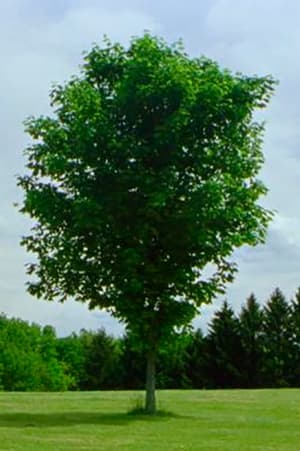
Trees talk, know family ties and care for their young? Is this too fantastic to be true? German forester Peter Wohlleben and scientist Suzanne Simard have been observing and investigating the communication between trees over decades. And their findings are most astounding.
An in depth look at the undersea life of dolphins
A documentary that leads the audience from Namibia to Kilimanjaro to explore the African wildlife.
Rocks, dunes, sand and dust - large areas of Namibia in southwest Africa are characterized by deserts. Riverbeds full of sand meander through these inhospitable regions. Some of these only have water once every few years when enough rain has fallen in the mountains and the water rushes to the coast - but most of the time the river courses have dried up. And yet they are crucial for the survival of many living beings.
When operators of animal circuses in Bolivia defy a nationwide ban, a team of investigators tracks them down and saves every animal. The rescue team endure confrontations, heartache, and incredible risk to see 25 lions airlifted to freedom in Colorado. An uplifting story of bravery, compassion, camaraderie, and determination: How a poor but proud country said 'no' to cruelty, and how attitudes to animals were changed across an entire continent.
In the company of zoologist Patrick Aryee, a discovery of the 37 species of felines that inhabit the planet, some little known, others threatened.
As the largest island in the Caribbean, Cuba is host to spectacular wildlife found nowhere else on the planet: from the jumping crocodiles of the Zapata swamp to the world's tiniest hummingbird, from thousands of migrating crabs to giant, bat-eating boas that lie in wait for easy prey. Decades of a socialist, conservation-minded government, American embargoes and minimal development have left the island virtually unchanged for 50 years. As international relations ease, what will become of this wildlife sanctuary?