Unknown histories take center stage as the hitmakers themselves - from ABBA to T-Pain - explore dimensions of pop music you never knew existed.
During the turbulent 19th century, a number of brilliant French artists developed the Romantic movement in Paris: writers Victor Hugo, Alexandre Dumas, George Sand, Honoré de Balzac and Charles Baudelaire, painter Eugène Delacroix and composer Hector Berlioz, among others, changed the way of looking at art and created enduring works that have inspired the world to this day.
Hip Hop Brazil
The Blues (2003) is a seven-part documentary series produced by Martin Scorsese that explores the history and influence of blues music. Each episode, directed by a different filmmaker, traces a unique aspect of the genre’s evolution—from its African roots to its global impact. Originally airing on PBS, the series includes Scorsese’s Feel Like Going Home, Wim Wenders’ The Soul of a Man, Richard Pearce’s The Road to Memphis, Charles Burnett’s Warming by the Devil’s Fire, Marc Levin’s Godfathers and Sons, Mike Figgis’ Red, White and Blues, and Clint Eastwood’s Piano Blues.
Enredos da Liberdade – O Grito do Samba Pela Democracia is a Brazilian documentary series available on Globoplay that delves into the pivotal role of samba schools during Brazil's transition from military dictatorship to democracy in the 1980s. Spanning five episodes, the series showcases how samba-enredo compositions became powerful tools of political resistance, addressing themes like censorship, economic hardship, and racial inequality. Through rare archival footage and interviews with prominent figures such as Martinho da Vila, Leci Brandão, and Rosa Magalhães, the documentary highlights the creative defiance of these cultural institutions. Each episode concludes with a reimagined performance of a significant samba, featuring artists like Teresa Cristina and Mart’nália, underscoring the enduring impact of these musical expressions in Brazil's democratic journey.
Traces the incredible trajectory of Brown’s life and career from a 7th grade drop-out arrested and jailed at the age of 16 for breaking into a car in the Jim Crow-era South, to an entertainment legend whose groundbreaking talent and unique perspective catapulted him to become a cultural force.
Sullivan & Massadas: Retratos e Canções
The Note
Legendy folku a country
Canto ao Tempo
Ivete Sangalo invites the audience to go inside the creative process of her new project in a five-episode limited series. Each episode, the singer introduces a featured artist.
The Hip Hop Years is a three part series of one hour television documentaries, made for Channel 4 in 1999. The series was devised by David Upshal who produced, directed and narrated the series. He also produced the 33-track compilation CD which accompanied the series and co-wrote the book with Alex Ogg, also titled The Hip Hop Years. The series charts the definitive story of Hip Hop, rising from the streets of the Bronx to become, what Upshal calls, "the new Rock'n'Roll". The programmes combine archive clips and performance from TV, movies and music videos with specially shot material and interviews with key players.
Music Junction is a Japanese TV show about the history of popular music in Japan.
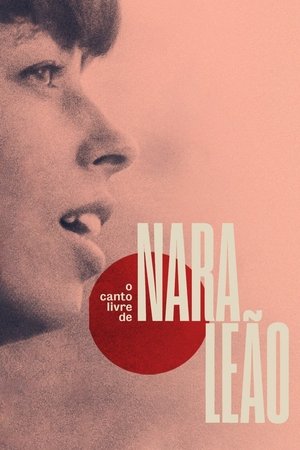
Nara Leão revolutionized Brazilian music, broke prejudices, confronted the military dictatorship, opened paths for women. All this without changing the tone of her voice.
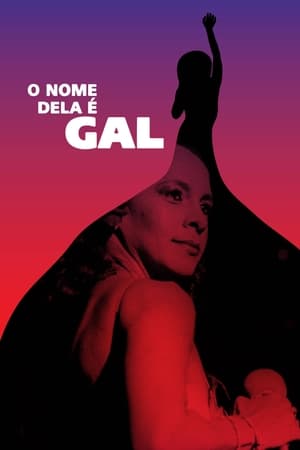
A four-part biography on the life of the Brazilian singer Gal Costa, from her humble beginning singing in the streets of Salvador, where she became friends with many artists who would be other great names in Brazilian music in the following decades to her 50th career anniversary in 2015.
An exploration of the world's music. Yehudi Menuhin has created this expansive survey of musical traditions from five continents. With panoramic vision and infectious enthusiasm, he takes us from primeval rhythms of Africa to the symphonies of Beethoven, from plainsong to jazz, from Swiss yodeling to Irish jig, from steel drum to electronic synthesizer. The Music of Man was a series of eight hour-long specials with host Yehudi Menuhin, following the development of music from its beginnings at the dawn of history to the electronic experiments, jazz and rock of our own time. Menuhin, the renowned violinist, conductor and humanist, participated both as violin soloist and conductor throughout the series, and was also co-writer.
Sound Gigante – Storia alternativa della musica italiana
Go inside the lives of legendary music artists—through the lens of their own music.
Soda Stereo, Café Tacvba, Aterciopelados and others figure in this 50-year history of Latin American rock through dictatorships, disasters and dissent.
Video game music is a world of its own. Its composers have drawn inspiration from great classical masters such as Beethoven and Wagner, while also echoing the styles of Erik Satie and Francis Poulenc. Why does the theme from Tetris fit its ever-accelerating gameplay so perfectly? What makes the music accompanying the dungeons in The Legend of Zelda so distinctive? Max Dozolme explores the stories, influences, and musical ideas behind some of the most iconic soundtracks in video game history.